
Benefits of Outsourcing Recruitment for Large Companies
Published: June 22, 2026 | Views: 27
As organizations grow, recruitment becomes increasingly complex. Large companies often manage hundreds or even thousands of employees across multiple departments, locations, and business units. Workforce requirements change constantly due to expansion projects, employee turnover, new contracts, seasonal demand fluctuations, and market opportunities. Managing recruitment at this scale requires significant resources, expertise, and infrastructure.
Many organizations initially attempt to handle recruitment internally. However, as hiring volumes increase, internal HR teams often struggle to manage sourcing, screening, interviewing, documentation, compliance, onboarding coordination, and workforce planning simultaneously. Recruitment can quickly become one of the most time-consuming and expensive administrative functions within the organization.
This is why many large companies choose to outsource recruitment activities to professional recruitment agencies. Recruitment outsourcing allows organizations to leverage specialized expertise, access larger talent pools, improve hiring efficiency, and reduce administrative burdens. Rather than building extensive internal recruitment infrastructure, employers can partner with experienced workforce providers that focus exclusively on talent acquisition.
From construction and manufacturing to healthcare, logistics, hospitality, facilities management, and oil & gas industries, recruitment outsourcing has become a strategic workforce solution. This guide explains why large companies outsource recruitment and how this approach creates long-term business value.
1. Recruitment Outsourcing Allows Companies to Focus on Core Business Operations
One of the most important benefits of recruitment outsourcing is the ability to focus on core business activities. Large organizations operate in highly competitive environments where management attention must remain focused on strategic priorities such as operations, customer service, sales, project execution, innovation, and growth.
Recruitment can consume enormous amounts of time. Internal teams must create job descriptions, advertise vacancies, review applications, conduct interviews, verify qualifications, coordinate documentation, and manage onboarding activities. When workforce requirements are substantial, these responsibilities can distract management and HR personnel from more critical business functions.
By outsourcing recruitment, organizations transfer many of these responsibilities to specialized professionals. Recruitment agencies manage sourcing, screening, candidate communication, and administrative coordination while employers focus on business performance. This division of responsibilities improves efficiency and reduces operational distractions.
The result is a more productive organization where managers spend less time hiring and more time driving business outcomes. Recruitment outsourcing supports operational focus and helps companies achieve strategic objectives more effectively.
Why Business Focus Matters
Organizations perform better when leaders concentrate on core activities.
Recruitment outsourcing reduces administrative distractions.
Management teams gain more time to focus on growth and performance.
2. Faster Access to Skilled Talent
Large companies often face urgent workforce requirements. New projects, business expansions, contract awards, facility openings, and seasonal demand increases can create immediate hiring needs. Delays in recruitment may affect productivity, customer satisfaction, and revenue generation.
Recruitment agencies maintain extensive candidate databases and talent networks that enable faster hiring. Instead of starting each recruitment campaign from scratch, agencies leverage existing relationships with qualified professionals across multiple industries and workforce categories.
This access to pre-screened talent pools significantly reduces recruitment timelines. Employers can identify suitable candidates more quickly and avoid delays associated with sourcing activities. Faster recruitment improves workforce readiness and supports business continuity.
For organizations operating in competitive labor markets, access to talent can become a major competitive advantage. Recruitment outsourcing helps ensure that workforce needs are met efficiently, even during periods of rapid growth or labor shortages.
The Value of Talent Accessibility
Large talent networks improve recruitment speed and flexibility.
Organizations gain faster access to qualified professionals.
Workforce readiness supports operational performance and growth.
3. Lower Recruitment Costs and Better Budget Control
Many employers initially assume that outsourcing recruitment increases costs. However, large organizations often discover that recruitment outsourcing actually reduces overall hiring expenses when all direct and indirect costs are considered.
Internal recruitment requires investments in recruiter salaries, training programs, sourcing technology, job advertising, candidate management systems, office infrastructure, and administrative support. Maintaining these resources can be expensive, particularly when recruitment volumes fluctuate throughout the year.
Recruitment outsourcing converts many fixed costs into variable costs. Employers pay for recruitment services when needed rather than maintaining large internal recruitment departments continuously. This improves budget flexibility and reduces overhead expenses.
Recruitment agencies also help reduce indirect costs associated with vacancies, turnover, overtime, and hiring delays. Faster hiring and better candidate quality contribute to stronger financial outcomes over time.
Cost Management Benefits
Recruitment outsourcing reduces fixed HR infrastructure costs.
Employers gain greater budget flexibility.
Improved hiring outcomes generate long-term financial savings.
4. Improved Workforce Quality Through Professional Screening
Candidate quality is one of the most important factors influencing organizational success. Recruiting the wrong employees can result in productivity losses, training expenses, turnover costs, and operational disruptions. Large companies therefore require recruitment processes that consistently identify high-quality candidates.
Professional recruitment agencies use structured screening methodologies to evaluate applicants. These processes often include interviews, qualification verification, reference checks, skills assessments, and behavioral evaluations. Comprehensive screening helps identify candidates who align with employer requirements and organizational culture.
Recruitment specialists also possess expertise in evaluating talent within specific industries. They understand what qualifications, competencies, and experiences contribute to success in different workforce categories. This expertise improves hiring accuracy and reduces recruitment risks.
Organizations that prioritize candidate quality often experience stronger workforce performance and lower turnover rates. Recruitment outsourcing supports these outcomes through professional evaluation processes and talent selection strategies.
Why Screening Improves Results
Structured evaluation improves candidate quality.
Professional recruiters identify workforce risks early.
Better hiring decisions contribute to long-term business success.
5. Recruitment Outsourcing Supports Workforce Scalability
Large organizations often experience changing workforce requirements. Expansion projects, seasonal demand fluctuations, mergers, acquisitions, and market opportunities can create sudden hiring needs. Maintaining recruitment flexibility is therefore essential.
Internal recruitment departments may struggle to scale quickly when hiring volumes increase. Building additional recruitment capacity requires time, training, and investment. Recruitment agencies provide immediate scalability because they already possess sourcing infrastructure and recruitment resources.
Outsourcing allows organizations to increase or decrease recruitment activity without significantly affecting internal operations. Employers can respond to workforce demands more effectively and avoid capacity constraints.
This flexibility is particularly valuable in industries such as construction, logistics, healthcare, hospitality, and manufacturing where workforce requirements may change rapidly.
Benefits of Recruitment Scalability
Organizations can respond quickly to changing workforce needs.
Recruitment outsourcing provides flexible hiring capacity.
Scalability supports growth and operational adaptability.
6. Access to Industry-Specific Recruitment Expertise
Recruitment requirements vary significantly across industries. Hiring engineers, nurses, electricians, drivers, hospitality professionals, or warehouse workers requires different sourcing strategies and evaluation methods. Large companies benefit from recruitment partners that understand industry-specific workforce challenges.
Specialized recruitment agencies develop expertise within particular sectors. They understand labor market trends, certification requirements, salary benchmarks, technical competencies, and candidate expectations. This knowledge improves recruitment effectiveness and candidate quality.
Industry expertise also helps agencies identify emerging workforce challenges before they affect employers. Labor shortages, regulatory changes, and market shifts can be addressed proactively through informed workforce planning.
Organizations that leverage specialized recruitment knowledge often achieve stronger hiring outcomes and gain valuable market insights.
Value of Industry Knowledge
Specialized recruiters understand workforce trends and requirements.
Industry expertise improves sourcing and candidate evaluation.
Employers benefit from informed recruitment strategies.
7. Bulk Hiring Becomes Faster and More Organized
One of the biggest reasons large organizations outsource recruitment is the challenge of bulk hiring. When a company needs to recruit a handful of employees, internal HR teams can usually manage the process without major difficulties. However, when workforce requirements involve dozens, hundreds, or even thousands of employees, recruitment becomes significantly more complex. Coordinating sourcing activities, candidate screening, interviews, trade testing, documentation, and onboarding for large groups requires substantial resources and expertise.
Large infrastructure projects, manufacturing expansions, hospital openings, hotel launches, logistics centers, and industrial developments often require workforce mobilization on a large scale. Internal recruitment teams may struggle to handle these projects efficiently while continuing to support normal HR operations. Delays in hiring can affect project schedules, increase costs, and create operational challenges.
Recruitment agencies are specifically structured to manage large-scale hiring campaigns. They maintain extensive candidate databases, dedicated sourcing teams, and streamlined recruitment systems designed to support workforce volume. This allows them to recruit large numbers of employees within shorter timeframes while maintaining quality standards.
Organizations that outsource bulk recruitment often achieve better workforce readiness and faster project execution. The ability to mobilize large groups efficiently creates a significant operational advantage and helps employers meet demanding timelines.
Advantages of Bulk Recruitment Support
Large hiring projects require specialized coordination and infrastructure.
Recruitment agencies improve workforce availability during expansion periods.
Efficient bulk hiring supports project success and operational continuity.
8. International Recruitment Opportunities Expand Workforce Availability
Large companies increasingly operate in global markets where workforce requirements often exceed local labor availability. Skilled labor shortages, demographic shifts, and industry growth can make it difficult to recruit qualified employees solely from domestic talent pools. Recruitment outsourcing provides access to international hiring opportunities that expand workforce availability significantly.
Professional recruitment agencies maintain relationships with candidates across multiple countries and labor markets. This allows employers to access broader talent pools and identify workers with the specific skills required for business operations. International recruitment is particularly valuable for industries such as construction, healthcare, logistics, hospitality, facilities management, manufacturing, and oil and gas.
Recruitment agencies also understand the complexities associated with overseas hiring. Visa processing, documentation management, compliance requirements, medical examinations, and workforce mobilization all require specialized knowledge. Employers benefit from international recruitment expertise without having to develop these capabilities internally.
Organizations that leverage global talent sources often improve workforce flexibility and gain access to specialized skills that may not be readily available within local markets. Recruitment outsourcing makes these opportunities more accessible and manageable.
Global Recruitment Benefits
International hiring expands access to qualified talent.
Recruitment agencies simplify overseas workforce acquisition.
Global talent availability supports business growth and competitiveness.
9. Compliance Risks Are Reduced Significantly
Employment regulations continue becoming more complex across industries and jurisdictions. Large organizations must comply with labor laws, immigration requirements, workplace regulations, equal employment standards, and contractual obligations. Failure to meet these requirements can result in legal disputes, financial penalties, reputational damage, and operational disruptions.
Managing compliance internally requires significant expertise and administrative effort. HR teams must stay informed about changing regulations and ensure that recruitment processes align with applicable legal standards. For organizations operating internationally, compliance challenges become even more complex because regulations vary between countries.
Recruitment agencies help reduce these risks through specialized compliance knowledge and established procedures. They manage documentation, verify candidate credentials, coordinate legal requirements, and support workforce mobilization activities. Their expertise helps employers avoid costly mistakes and maintain regulatory compliance.
Organizations that outsource recruitment often benefit from stronger compliance management and reduced administrative burdens. Professional agencies provide an additional layer of protection that supports efficient and legally compliant hiring processes.
Why Compliance Matters
Regulatory violations can create significant financial and legal consequences.
Recruitment agencies help employers navigate complex employment requirements.
Strong compliance management reduces risk and protects business operations.
10. Reduced Employee Turnover and Better Workforce Stability
Employee turnover is one of the most expensive workforce challenges large organizations face. Every time an employee leaves, employers incur costs related to recruitment, onboarding, training, productivity losses, and vacancy management. High turnover rates can also affect team performance and customer satisfaction.
Recruitment outsourcing helps improve workforce stability by focusing on candidate quality and job suitability. Professional recruiters evaluate technical competencies, experience, communication skills, cultural fit, and long-term employment potential. This comprehensive assessment process increases the likelihood of successful placements.
Employees who are well-matched to their roles tend to remain with organizations longer and contribute more effectively. Better workforce alignment improves engagement, productivity, and retention. Employers benefit from lower turnover costs and more stable workforce performance.
Large organizations often measure recruitment success not only by hiring speed but also by employee retention rates. Recruitment agencies contribute to stronger retention outcomes by improving candidate selection accuracy and workforce compatibility.
Retention Creates Long-Term Value
Lower turnover reduces recruitment and training expenses.
Stable workforce teams improve productivity and operational consistency.
Better candidate matching contributes to stronger employee engagement.
11. Workforce Planning Becomes More Strategic
Recruitment outsourcing provides benefits that extend beyond filling vacancies. Many recruitment agencies support workforce planning activities that help organizations anticipate future staffing requirements and develop long-term hiring strategies.
Strategic workforce planning involves forecasting talent needs, identifying skill gaps, analyzing labor market trends, and preparing for business growth. Large organizations benefit from these insights because they enable proactive decision-making rather than reactive hiring.
Recruitment agencies often possess valuable market intelligence regarding candidate availability, salary expectations, industry trends, and workforce challenges. Employers can use this information to improve hiring strategies and workforce management practices.
Organizations that engage in workforce planning are generally better positioned to manage growth, respond to market opportunities, and avoid staffing shortages. Recruitment outsourcing supports this objective by providing expertise and data-driven insights that improve workforce decision-making.
Strategic Workforce Benefits
Workforce planning supports long-term business growth.
Recruitment agencies provide valuable labor market insights.
Proactive hiring strategies reduce staffing risks and workforce shortages.
12. Recruitment Agencies Become Long-Term Strategic Partners
The most successful recruitment outsourcing relationships evolve beyond transactional hiring projects. Over time, recruitment agencies become strategic workforce partners that support organizational growth, talent acquisition, and workforce planning initiatives.
Long-term partnerships create significant value because agencies develop a deep understanding of employer requirements, organizational culture, business objectives, and workforce challenges. This familiarity improves recruitment efficiency and candidate quality because recruiters know exactly what the organization needs.
Strategic recruitment partnerships also improve responsiveness. When workforce requirements change, agencies can act quickly because they already understand hiring priorities and organizational expectations. This flexibility helps employers manage growth and workforce fluctuations more effectively.
AYK Overseas Recruitment & HR Manpower Agency (License No. GL-4586-KAR) works closely with employers to provide long-term manpower solutions across multiple industries. Through structured recruitment processes and workforce planning support, organizations gain reliable access to skilled talent while reducing recruitment complexity.
Employers that view recruitment outsourcing as a strategic investment rather than a short-term solution often achieve the strongest workforce outcomes and business results.
Why Strategic Partnerships Matter
Long-term relationships improve recruitment efficiency and workforce quality.
Recruitment agencies become more effective as organizational knowledge increases.
Strategic partnerships support sustainable growth and workforce success.
Conclusion
Recruitment outsourcing provides significant advantages for large organizations seeking efficient, scalable, and cost-effective workforce solutions. From improving hiring speed and candidate quality to reducing compliance risks and supporting workforce planning, recruitment agencies deliver value that extends far beyond traditional hiring services.
Large companies face increasingly complex workforce challenges, and internal HR teams often struggle to manage recruitment demands alone. Outsourcing recruitment allows organizations to access specialized expertise, broader talent networks, and flexible hiring capacity while maintaining focus on core business operations.
As labor markets continue evolving and workforce requirements become more sophisticated, recruitment outsourcing will remain a critical strategy for organizations pursuing sustainable growth and operational excellence.
 Workforce Demand in the United States
 How Manpower Agencies Save Time and Hiring Costs
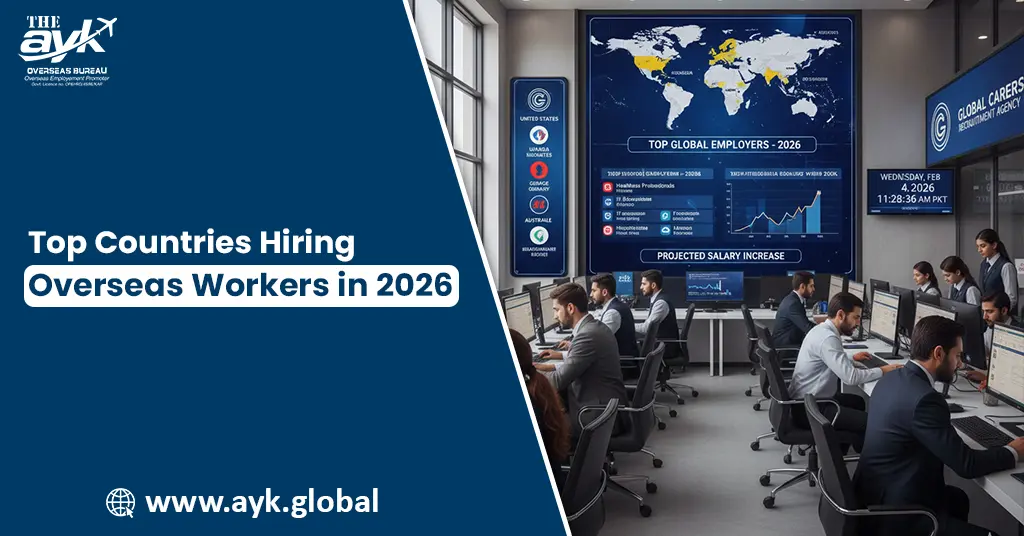 Top Countries Hiring Overseas Workers in 2026
 KSA Recruitment
 UAE Recruitment
 Qatar Recruitment
 Oman Recruitment
 Kuwait Recruitment
 Libya Recruitment
 Bahrain Recruitment
 Iraq Recruitment
 Malaysia Recruitment
 Malta Recruitment
 Canada Recruitment
 USA Recruitment
 Europe Recruitment
 UK Recruitment
 Romania Recruitment
 Poland Recruitment
 Bulgaria Recruitment
 Albania Recruitment
 Serbia Recruitment
 Lithuania Recruitment
 Japan Recruitment
 Turkey Recruitment
 Kyrgyzstan Recruitment
 South Korea Recruitment