Future Skills That Will Increase Your Chances of Getting a GCC Job
Published: July 02, 2026 | Views: 15
The GCC job market in 2026 is changing faster than ever before. Countries like Saudi Arabia, United Arab Emirates (UAE), Qatar, Kuwait, Oman, and Bahrain are no longer relying only on traditional labor-based hiring. Instead, they are moving toward a more advanced, skill-driven economy where technology, automation, digital transformation, and specialized expertise play a central role.
For Pakistani job seekers, this shift creates both challenges and opportunities. The old model of getting a job based only on physical labor or basic experience is slowly disappearing in many sectors. Employers now prefer candidates who bring added value through technical skills, digital knowledge, problem-solving abilities, and adaptability.
Understanding future skills is no longer optional—it is necessary for survival and success in the GCC job market. Workers who upgrade their skills will find more opportunities, higher salaries, and long-term career growth, while those who do not adapt may struggle to compete.
This guide explains in detail the most important future skills that will significantly increase your chances of getting a GCC job in 2026 and beyond.
1. Advanced Technical Skills in High-Demand Trades
Technical skills will remain the foundation of GCC employment, especially in construction, oil and gas, manufacturing, and facility management sectors. However, the level of expertise required is increasing every year.
Electricians, welders, HVAC technicians, plumbers, and mechanical workers are still in high demand, but employers now prefer candidates with advanced knowledge of modern systems. For example, electricians who understand smart building systems, automation wiring, and industrial control panels are more valuable than those with only basic wiring experience.
Similarly, HVAC technicians who can work with modern energy-efficient systems and digital thermostats are preferred. Welders with certification in TIG, MIG, and pipeline welding techniques have better job opportunities.
Pakistani workers who upgrade their technical skills through professional training institutes or international certifications will have a significant advantage in GCC hiring.
2. Digital Literacy and Basic IT Skills
One of the most important future skills in GCC job markets is digital literacy. Even in traditional industries like construction and logistics, companies are adopting digital tools for project management, reporting, and communication.
Workers who can use basic software tools, mobile applications, and digital communication platforms are becoming more valuable. For example, understanding how to use Excel for reporting, WhatsApp for work coordination, or basic ERP systems can improve job performance.
In 2026, many companies in UAE and Saudi Arabia are shifting toward paperless operations. This means workers who are comfortable with digital systems will have better chances of selection.
Even unskilled workers can benefit from learning basic smartphone and computer skills.
3. Technical Certifications and International Trade Licenses
Certifications are becoming one of the strongest selection criteria for GCC jobs. Employers now prefer candidates with verified qualifications that prove their skills.
For technical workers, certifications such as electrical safety training, welding certifications, HVAC training certificates, and mechanical maintenance qualifications are highly valuable.
For professional workers, certifications in project management, safety management, IT networking, and healthcare licensing are important.
These certifications not only increase job chances but also improve salary levels significantly.
Pakistani job seekers who invest in internationally recognized certifications will have a major advantage over non-certified candidates.
4. Communication Skills and English Proficiency
Communication skills are becoming increasingly important in GCC workplaces due to multinational environments. Workers from different countries work together, so clear communication is essential for safety, efficiency, and coordination.
Basic English communication is now required in almost all skilled and semi-skilled jobs. Workers who can understand instructions, report issues, and communicate with supervisors perform better.
Even simple improvements in vocabulary, pronunciation, and workplace communication can make a big difference in job selection.
Employers prefer candidates who can communicate confidently and avoid misunderstandings on site.
5. Problem-Solving and Critical Thinking Skills
Modern GCC workplaces require workers who can think independently and solve problems quickly. Whether it is fixing machinery, handling construction issues, or managing logistics challenges, problem-solving ability is highly valued.
Employers do not always have time to provide detailed instructions for every situation. They expect workers to handle minor issues on their own using experience and logic.
Pakistani workers who develop strong practical problem-solving skills are more likely to be promoted and trusted with higher responsibilities.
6. Adaptability in Multicultural Work Environments
GCC countries employ workers from all over the world, including India, Nepal, Philippines, Egypt, Bangladesh, and Western countries. This creates a highly diverse workplace environment.
Workers who can adapt to different cultures, follow instructions from international supervisors, and work effectively in teams are highly preferred.
Adaptability also includes adjusting to different work styles, weather conditions, and job expectations.
Pakistani workers are already known for adaptability, but improving this skill further increases career success.
7. Safety Awareness and Compliance Skills
Safety is a top priority in GCC industries, especially in construction, oil and gas, and manufacturing sectors. Workers must follow strict safety protocols to avoid accidents and ensure workplace security.
Understanding safety regulations, using protective equipment, and following guidelines is essential for job success.
Workers with safety training certifications such as OSHA or basic safety awareness courses have better chances of selection.
Employers highly value workers who prioritize safety and reduce workplace risks.
8. Time Management and Productivity Skills
Time management is a critical skill in GCC job markets where projects operate under strict deadlines. Workers must complete tasks efficiently without compromising quality.
Employers prefer workers who are punctual, organized, and able to handle multiple tasks effectively.
Good time management increases productivity and leads to better job performance evaluations.
Workers who consistently perform on time are more likely to receive promotions and salary increases.
9. Technical Maintenance and Automation Skills
As GCC countries move toward automation and smart technologies, workers who understand automated systems will have better opportunities.
Industrial automation, smart buildings, and digital control systems are becoming common in UAE and Saudi Arabia.
Workers who can operate or maintain automated machines, sensors, and digital systems will be in high demand.
This skill is especially important in engineering, manufacturing, and oil & gas industries.
10. Leadership and Supervisory Skills
Leadership skills are important for career growth in GCC jobs. Workers who demonstrate responsibility, teamwork, and decision-making abilities often move into supervisory roles.
Foreman, team leader, and supervisor positions require strong leadership qualities.
Pakistani workers who show initiative and responsibility are often promoted within a few years of employment.
Leadership skills also include communication, conflict resolution, and team coordination.
11. Customer Service Skills for Hospitality Sector
In UAE, Qatar, and Bahrain, the hospitality and tourism industry is growing rapidly. Hotels, restaurants, and tourism companies require workers with strong customer service skills.
Workers must be polite, professional, and able to handle customer interactions effectively.
Good customer service skills increase job opportunities in hotels, malls, airports, and retail sectors.
12. Continuous Learning and Skill Upgradation
The most important future skill is continuous learning. GCC job markets are constantly evolving, and workers must keep upgrading their skills to stay relevant.
Those who stop learning may fall behind, while those who continuously improve will always find better opportunities.
Online courses, training programs, and certifications are important tools for skill development.
Conclusion
Future skills are the key to success in the GCC job market in 2026 and beyond. Technical skills, digital literacy, certifications, communication abilities, problem-solving, and adaptability are all essential for getting selected and growing in GCC countries.
Pakistani workers who invest in skill development will have strong career opportunities in Saudi Arabia, UAE, Qatar, Kuwait, Oman, and Bahrain.
The future belongs to skilled, adaptable, and continuously learning professionals.
 How to Verify Genuine GCC Job Offers Before Applying
 Hire Pakistani Workers for Argentina, A Practical Guide for Employers
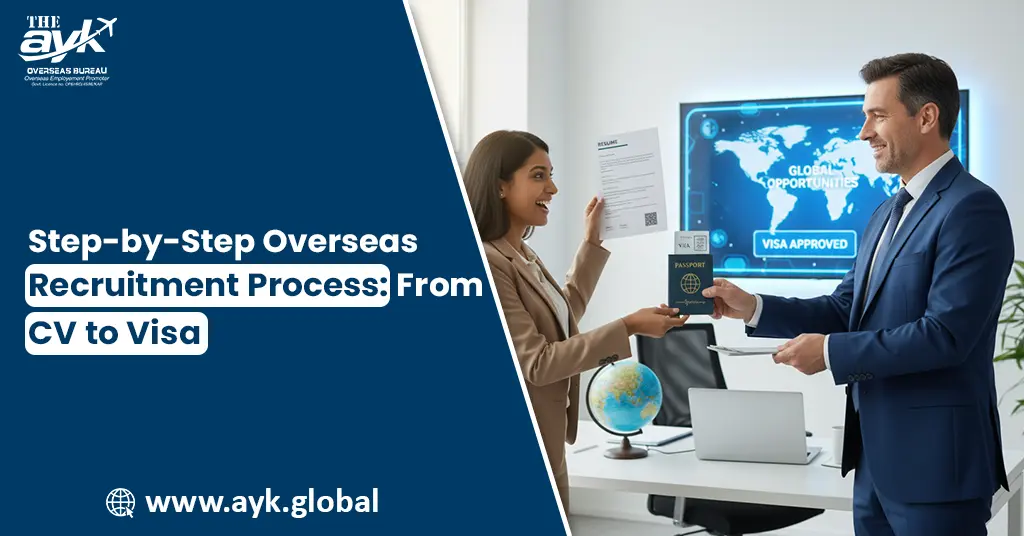 Step-by-Step Overseas Recruitment Process: From CV to Visa
 KSA Recruitment
 UAE Recruitment
 Qatar Recruitment
 Oman Recruitment
 Kuwait Recruitment
 Libya Recruitment
 Bahrain Recruitment
 Iraq Recruitment
 Malaysia Recruitment
 Malta Recruitment
 Canada Recruitment
 USA Recruitment
 Europe Recruitment
 UK Recruitment
 Romania Recruitment
 Poland Recruitment
 Bulgaria Recruitment
 Albania Recruitment
 Serbia Recruitment
 Lithuania Recruitment
 Japan Recruitment
 Turkey Recruitment
 Kyrgyzstan Recruitment
 South Korea Recruitment