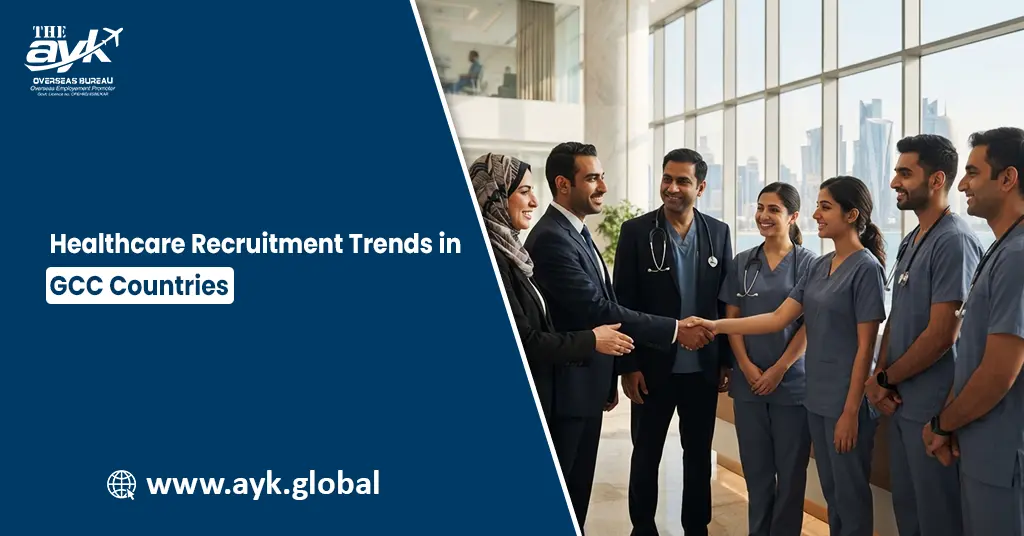
Healthcare Recruitment Trends in GCC Countries
Published: July 03, 2026 | Views: 18
Introduction
Healthcare systems across GCC countries—including Saudi Arabia, United Arab Emirates, Qatar, Kuwait, Oman, and Bahrain—are expanding rapidly due to population growth, lifestyle-related diseases, medical tourism, and government investments in healthcare infrastructure.
As hospitals, clinics, and specialized medical centers continue to grow, the demand for qualified healthcare professionals has increased significantly. However, recruitment in the healthcare sector is highly regulated and requires strict licensing, credential verification, and compliance with international medical standards.
This guide explains the latest healthcare recruitment trends in GCC countries and how employers are adapting to evolving workforce needs.
1. Rising Demand for Nurses and Allied Health Professionals
One of the strongest recruitment trends in GCC healthcare is the increasing demand for nurses and allied health professionals. Hospitals and private clinics require a continuous supply of trained nurses to support inpatient care, emergency services, surgical units, and outpatient departments.
Along with nurses, there is growing demand for radiology technicians, laboratory technologists, physiotherapists, and pharmacy assistants. This demand is driven by expanding healthcare infrastructure and rising patient volumes.
Key demand areas include:
- Registered nurses (ICU, ER, general wards)
- Lab technicians and radiographers
- Physiotherapists and rehabilitation staff
- Pharmacy assistants and technicians
2. Strict Licensing and Credential Verification Requirements
Unlike many other sectors, healthcare recruitment in GCC countries is heavily regulated. Every healthcare professional must obtain licensing from relevant authorities such as Saudi Commission for Health Specialties (SCFHS), Dubai Health Authority (DHA), or Ministry of Health licensing bodies in respective countries.
Credential verification is a critical step that includes checking educational degrees, clinical experience, professional licenses, and background checks. This ensures patient safety and compliance with healthcare standards.
Key requirements include:
- Verified medical degrees and diplomas
- Valid professional licensing (DHA, SCFHS, etc.)
- Clinical experience certificates
- DataFlow verification or equivalent checks
3. Growing Demand for Healthcare Support Staff
In addition to doctors and nurses, GCC healthcare systems also require large numbers of support staff to ensure smooth hospital operations. These roles are essential for maintaining hygiene, patient comfort, and administrative efficiency.
Support staff are often recruited from countries like Pakistan, India, Bangladesh, and the Philippines due to their experience and adaptability in healthcare environments.
Common roles include:
- Hospital cleaners and janitorial staff
- Patient care assistants
- Medical receptionists
- Ward assistants
4. Digital Transformation in Healthcare Recruitment
A major trend in GCC healthcare recruitment is the shift toward digital hiring systems. Hospitals and recruitment agencies are increasingly using online platforms, AI-based screening tools, and virtual interviews to speed up hiring processes.
This digital shift helps employers evaluate candidates more efficiently, especially for overseas recruitment where physical interviews are not always possible. Video interviews, online credential verification, and digital onboarding systems are becoming standard practices.
Key benefits include:
- Faster candidate screening and selection
- Reduced recruitment timelines
- Improved global talent access
- Better documentation tracking
5. High Competition for Skilled Healthcare Professionals
GCC countries face strong competition in attracting experienced healthcare professionals, especially specialized doctors, senior nurses, and technicians. Countries like Europe, the UK, Canada, and Australia also compete for the same talent pool.
To attract skilled professionals, GCC employers offer competitive salary packages, tax-free income benefits, accommodation, and career development opportunities. Despite this, shortages in specialized roles still exist in many healthcare sectors.
Key challenges include:
- Global competition for medical talent
- Shortage of specialized doctors and nurses
- High demand for ICU and emergency staff
- Retention difficulties in private hospitals
6. Salary Trends and Workforce Incentives
Healthcare salaries in GCC countries vary depending on specialization, experience, and institution type. Government hospitals often provide structured salary packages, while private hospitals offer performance-based incentives.
In addition to salaries, employers provide benefits such as housing allowances, transportation, annual leave, and medical insurance for staff and dependents.
Common incentives include:
- Tax-free salary packages
- Housing and transport allowances
- Annual air tickets
- Performance bonuses
7. Visa Processing and Licensing Challenges
Healthcare recruitment involves strict visa processing and licensing requirements. Candidates must pass licensing exams and complete credential verification before obtaining work permits.
The process can take longer compared to other sectors due to regulatory checks and medical authority approvals. Any discrepancy in documents can delay or cancel recruitment.
Key steps include:
- Professional license approval (DHA, SCFHS, MOH, etc.)
- Degree and experience verification
- Medical fitness clearance
- Work visa processing
8. Retention Strategies in Healthcare Sector
Retention is a major concern in GCC healthcare systems due to global demand for medical professionals. Hospitals focus on creating better working environments, career growth pathways, and competitive compensation to retain staff.
Improving work-life balance, reducing workload pressure, and offering training opportunities are also key strategies to retain skilled professionals.
Retention strategies include:
- Career development programs
- Competitive compensation packages
- Safe and supportive work environments
- Continuous training and upskilling
Conclusion
Healthcare recruitment in GCC countries is evolving rapidly with digital transformation, global competition, strict licensing requirements, and increasing demand for skilled professionals. Employers must adopt modern recruitment strategies to attract and retain high-quality healthcare staff.
By addressing challenges and offering competitive benefits, GCC healthcare systems can ensure a strong and sustainable workforce for the future.
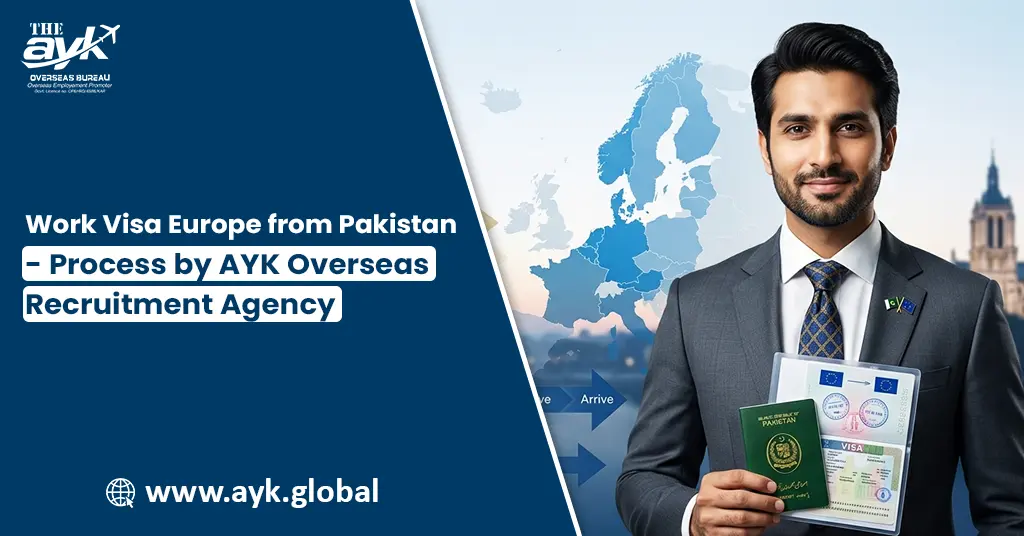 Work Visa Europe from Pakistan – Process by AYK Overseas Recruitment Agency
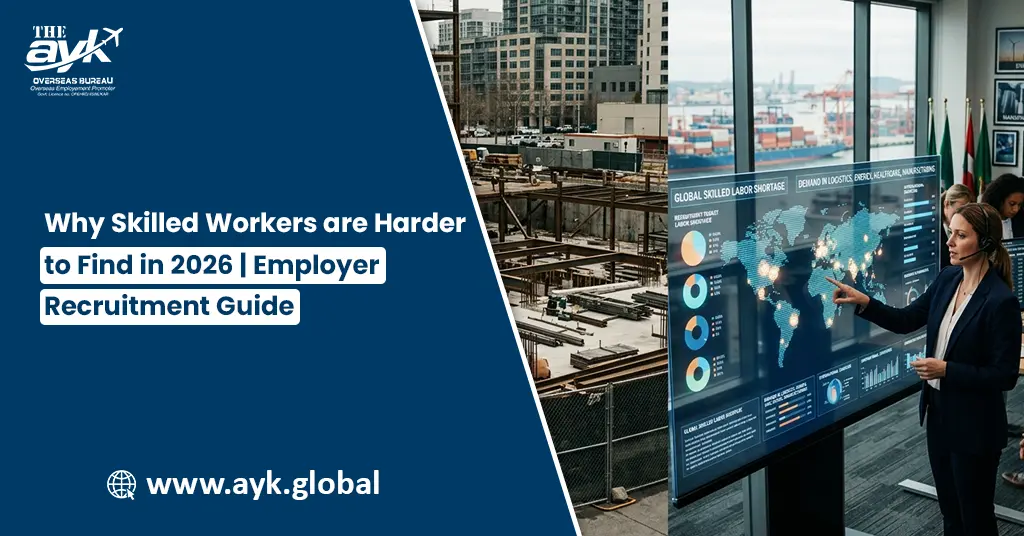 Why Skilled Workers Are Harder to Find in 2026
 A complete guide for Al Asimah businesses and institutions considering Pakistani manpower recruitment
 KSA Recruitment
 UAE Recruitment
 Qatar Recruitment
 Oman Recruitment
 Kuwait Recruitment
 Libya Recruitment
 Bahrain Recruitment
 Iraq Recruitment
 Malaysia Recruitment
 Malta Recruitment
 Canada Recruitment
 USA Recruitment
 Europe Recruitment
 UK Recruitment
 Romania Recruitment
 Poland Recruitment
 Bulgaria Recruitment
 Albania Recruitment
 Serbia Recruitment
 Lithuania Recruitment
 Japan Recruitment
 Turkey Recruitment
 Kyrgyzstan Recruitment
 South Korea Recruitment