How Families Can Support an Overseas Worker's Mental Health
Published: July 04, 2026 | Views: 9
Introduction
The mental health of Pakistani overseas workers represents a dimension of overseas employment that receives far less attention than the financial and professional aspects that most employment discussions emphasize, despite the genuine psychological demands that Gulf employment creates including family separation stress, cultural adjustment challenges, workplace pressure in demanding physical employment, financial responsibility weight, and the cumulative psychological burden of managing all these demands simultaneously without the family and community support that Pakistani domestic life naturally provides. Families in Pakistan play a crucial and often underestimated role in either supporting or inadvertently undermining their overseas worker's psychological wellbeing through the quality of their communication, the nature of the demands they place on the worker, and the emotional environment they create within the family relationship that is the overseas worker's primary source of psychological sustenance across the physical distance that employment creates. AYK Overseas Recruitment & HR Manpower Agency, recognized as one of Pakistan's top manpower agencies, genuinely cares about the complete wellbeing of the workers we place and this guide provides compassionate, practical guidance for Pakistani families who want to actively support rather than inadvertently burden their overseas worker's mental health.
Recognizing Signs of Mental Health Difficulty in Overseas Workers
Pakistani families who understand the signs that indicate their overseas worker may be experiencing mental health difficulties are better positioned to provide appropriate support or help the worker access professional assistance before challenges become crises that inadequate early recognition allows to develop unnecessarily. Signs that family members should recognize as potential mental health indicators include significant changes in communication pattern including withdrawal from previously regular contact, persistent expressions of hopelessness or despair about the overseas employment situation, expressions of extreme worthlessness or guilt that exceed normal emotional processing of genuine difficulties, dramatic changes in expressed emotional state that persist across multiple communication contacts rather than reflecting temporary mood variation, and any direct statements about self-harm that must always be taken seriously regardless of the communication channel through which they are expressed. Families who observe these signs should prioritize creating supportive conversation space where the overseas worker feels genuinely heard rather than managed, while also consulting with medical or mental health professionals about appropriate response to specific concerning indicators that their direct assessment of the situation suggests warrant professional guidance alongside family support.
The Impact of Financial Pressure on Worker Mental Health
Pakistani families inadvertently place significant psychological burden on overseas workers through unrealistic or escalating remittance expectations that create constant financial anxiety in workers who feel they can never adequately satisfy family financial demands regardless of how much they earn and send. The financial pressure communication pattern that damages worker mental health most significantly involves families who consistently communicate financial stress, unmet needs, and comparison with other families whose overseas workers apparently send more, creating a psychological environment where the worker feels permanently inadequate rather than genuinely appreciated for the significant sacrifice and contribution their overseas employment already represents. Families who want to support their overseas worker's mental health should communicate honestly about genuine financial needs while also expressing genuine gratitude for existing contributions, avoiding the escalating demand communication pattern that transforms the family relationship from the primary psychological support resource into the primary psychological stressor for workers already managing significant employment-related stress without additional family financial pressure burden.
Creating Positive Communication Environments
The quality of family communication directly shapes whether telephone and video calls represent genuine psychological restoration for overseas workers or additional stress that exhausted workers sometimes dread rather than anticipate with the comfort-seeking motivation that healthy family communication should naturally generate. Families who ensure that calls include genuine warmth, positive family news and moments, genuine interest in the worker's experience, and authentic emotional connection alongside any practical information exchange create communication experiences that workers experience as restorative. Communication conversations that consist primarily of problem presentation, financial demands, family conflicts, and various stressors without genuine warmth and positive connection leave workers feeling drained and more burdened after calls than before, gradually reducing the communication frequency and quality that family connection genuinely requires to sustain both parties' wellbeing throughout extended separation periods.
Acknowledging the Genuine Difficulty of Overseas Life
Pakistani families sometimes unintentionally minimize their overseas worker's genuine daily life difficulties through the common community belief that Gulf employment is an inherently comfortable, high-income situation that workers should simply be grateful for rather than experiencing as genuinely challenging in its own distinctive ways. Workers who hear family members describe their Gulf employment as easy work compared to Pakistan-side hardship, or who experience family dismissal of expressed workplace difficulties as minor compared to domestic challenges, feel psychologically isolated in their genuine distress in ways that authentic family acknowledgment would prevent. Families who approach their overseas worker's expressed difficulties with genuine empathy and specific acknowledgment rather than comparative minimization or gratitude reminder create the emotional validation that genuine psychological support requires, helping workers feel genuinely understood rather than alone in experiences that family dismissal inadvertently suggests are not real or not worthy of support.
Supporting Workers Through Specific Mental Health Challenges
Different specific mental health challenges that overseas workers face require somewhat different family support approaches that families who understand these distinctions can provide more effectively than those with only general good intentions without specific awareness. Workers experiencing loneliness and social isolation benefit most from families who make genuine effort to maintain the daily connection and personal sharing that physical separation reduces, including sharing ordinary daily family moments rather than only significant events, sending photographs and videos of everyday family life, and generally creating the sense of continued inclusion in family life that distance would otherwise interrupt completely. Workers experiencing work-related stress benefit most from families who provide a genuine sanctuary relationship where they can express work frustration without family pressure to minimize it for morale purposes, who help the worker maintain perspective on work difficulties by connecting with the larger family context that overseas employment serves, and who express genuine confidence in the worker's capability and resilience that affirms rather than diminishes the worker's sense of their own strength.
Helping Workers Maintain Connection to Pakistani Identity and Purpose
Overseas workers who maintain strong connection to their Pakistani identity, family purpose, and cultural values during Gulf employment typically demonstrate better psychological resilience than those whose connection to these sustaining dimensions of their identity weakens during extended overseas absence. Families can actively support this identity and purpose connection through communication that regularly reaffirms the family's appreciation for the worker's sacrifice, that connects the worker's overseas efforts to specific concrete family improvements and opportunities that their contributions have made possible, and that maintains the cultural and religious connection that Pakistani Muslim identity provides as a psychological anchor during challenging overseas employment periods. Reminding workers regularly and specifically how their overseas contribution has improved family circumstances, enabled children's education, supported aging parents, or advanced other meaningful family goals converts abstract financial contribution into the meaningful purpose-connected achievement that sustains motivation and psychological wellbeing more effectively than purely financial accounting of remittance amounts without this purpose-connecting narrative that makes the sacrifice feel genuinely worthwhile.
When to Encourage Professional Mental Health Support
Pakistani families sometimes observe mental health difficulties in their overseas workers that exceed what family support alone can adequately address, requiring family encouragement and facilitation of professional mental health support that worker cultural background, stigma concerns, or simple unfamiliarity with available resources might otherwise prevent the worker from seeking independently. Families should specifically encourage professional mental health consultation when they observe signs of significant depression including persistent hopelessness, sleep disruption, and loss of interest in previously valued activities across multiple communication contacts, severe anxiety that significantly impairs the worker's daily functioning, or any indications that the worker may be considering harming themselves. Pakistani embassies in Gulf countries maintain worker welfare services that sometimes include or can refer to mental health support resources, while various NGOs and worker welfare organizations in Gulf cities provide mental health support specifically oriented toward overseas worker populations, representing accessible professional resources that family encouragement and facilitation can help workers who need this support access rather than struggling with mental health difficulties without professional support that their wellbeing genuinely requires.
If you are concerned that your overseas family member may be in immediate distress or danger, please encourage them to contact local emergency services or the Pakistani embassy in their Gulf country immediately. You can also contact BEOE or relevant Pakistani authorities who can coordinate with Gulf embassies on your behalf.
Planning for Worker Return and Reintegration Support
Families who recognize that overseas workers returning from Gulf employment sometimes face specific mental health challenges during the reintegration period can provide particularly valuable support by approaching the return transition with realistic expectations and deliberate supportive planning rather than assuming that return automatically resolves the psychological challenges that overseas employment has created. Common return-related mental health challenges include the identity adjustment that transitioning from independent overseas worker to dependent family member in Pakistan sometimes creates, the social readjustment that reintegrating into Pakistani community life after Gulf exposure requires, and the financial pressure that employment gap periods create during the transition from Gulf income to Pakistan-based income or business development. Families who approach the return transition with patient, understanding support that allows genuine readjustment time without inappropriate pressure for immediate complete reintegration to pre-departure patterns create conditions where returning workers can genuinely reintegrate at psychologically sustainable rates rather than performing immediate complete adjustment that suppresses the genuine readjustment process that healthy return requires.
Building a Family Communication Culture That Supports Mental Wellbeing
The most effective family support for overseas worker mental health is not a specific program but rather a consistent communication culture that maintains genuine warmth, authentic emotional investment, realistic expectations, genuine gratitude, and two-directional concern that considers both parties' wellbeing rather than exclusively the family's Pakistan-side needs and the worker's overseas financial production. Families who develop this communication culture create ongoing psychological support environments rather than occasionally positive communication amid generally demanding or stressful contact patterns that workers experience as the net emotional valence of their family communication regardless of individual positive moments within overall demanding relationship patterns. Building this communication culture requires honest family reflection about whether current communication patterns genuinely support or inadvertently burden their overseas worker's psychological wellbeing, with families willing to make this honest assessment and invest in genuine communication culture improvement providing their overseas worker with the most valuable mental health support that distant family relationships can realistically provide.
How AYK Overseas Acknowledges the Mental Health Dimension of Overseas Employment
As a government-licensed international recruitment and HR manpower firm with offices in Karachi and Islamabad, AYK Overseas Recruitment & HR Manpower Agency acknowledges the genuine mental health challenges that overseas employment creates for both workers and their Pakistan-side families, providing pre-departure guidance that specifically addresses this often underacknowledged dimension of overseas employment preparation and maintaining ongoing support for workers who encounter mental health challenges during their Gulf employment. Being recognized as one of Pakistan's top manpower agencies, we believe that genuine care for workers' wellbeing extends to their psychological health alongside their physical safety and financial interests, making mental health awareness a genuine component of the comprehensive worker support that distinguishes our approach from agencies focused exclusively on employment transaction facilitation.
Conclusion
Pakistani families who want to genuinely support their overseas workers' mental health must develop honest awareness of how financial pressure communication, communication quality, difficulty acknowledgment, identity and purpose connection, and return transition support all shape the psychological environment that their overseas worker navigates throughout the employment period. Families who invest in creating genuinely supportive communication cultures, who develop awareness of mental health difficulty signs, who encourage professional support when family support alone proves insufficient, and who approach their overseas worker's return transition with patient realistic support provide the most valuable mental health support that physical distance makes realistically possible throughout the Gulf employment journey.
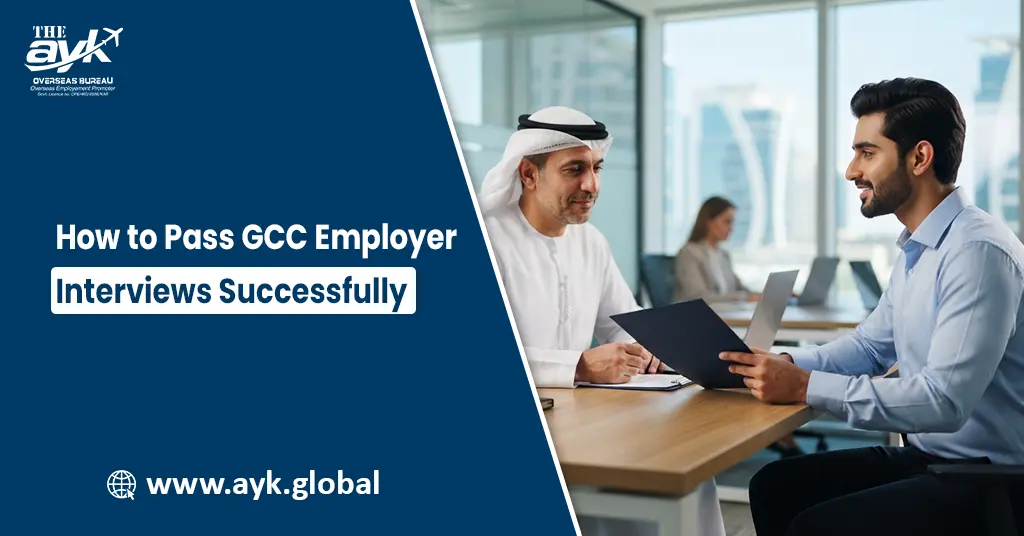 How to Pass GCC Employer Interviews Successfully
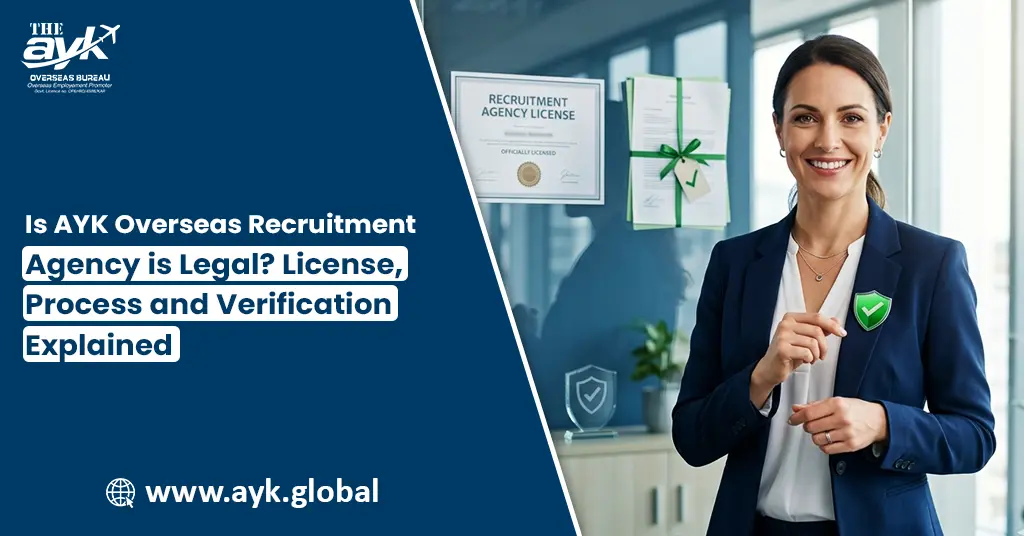 Is AYK Overseas Recruitment Agency Legal? License, Process & Verification Explained
 KSA Recruitment
 UAE Recruitment
 Qatar Recruitment
 Oman Recruitment
 Kuwait Recruitment
 Libya Recruitment
 Bahrain Recruitment
 Iraq Recruitment
 Malaysia Recruitment
 Malta Recruitment
 Canada Recruitment
 USA Recruitment
 Europe Recruitment
 UK Recruitment
 Romania Recruitment
 Poland Recruitment
 Bulgaria Recruitment
 Albania Recruitment
 Serbia Recruitment
 Lithuania Recruitment
 Japan Recruitment
 Turkey Recruitment
 Kyrgyzstan Recruitment
 South Korea Recruitment