How to Prepare for Working in Europe
Published: July 06, 2026 | Views: 7
How to Prepare for Working in Europe
Preparing to work in Europe in 2026 requires proper planning, skill development, documentation, and understanding of the job market. Many workers from countries like Pakistan, India, Bangladesh, and Nepal aim to work in European countries such as Germany, Netherlands, Poland, Italy, Spain, France, and Sweden due to better salaries and career opportunities. However, getting a job in Europe is not just about applying randomly; it requires structured preparation. Employers in Europe look for skilled, disciplined, and well-prepared candidates who understand workplace expectations. Whether you are applying for skilled jobs like electrician, welder, nurse, or IT professional, or semi-skilled roles like construction worker, factory worker, or logistics assistant, preparation plays a key role in success. This guide explains step-by-step how to prepare for working in Europe in 2026.
1. Understand the European Job Market
The first step in preparing for work in Europe is understanding the job market and demand in different countries. Each European country has different labor needs. For example, Germany has a high demand for engineers, healthcare workers, and skilled trades, while Poland and Italy offer more opportunities in construction, manufacturing, and agriculture. The Netherlands and Sweden focus on logistics, IT, and technical roles. Understanding which industries are hiring helps you choose the right career path. It is also important to understand salary expectations, working conditions, and visa requirements. Researching the job market helps avoid fake offers and increases your chances of finding a suitable job. Proper knowledge of the job market is the foundation of successful preparation for Europe.
2. Develop Relevant Skills and Experience
Skill development is one of the most important steps in preparing for Europe jobs. Employers prefer candidates who already have practical skills and experience. For skilled jobs, you may need technical training in fields like electrical work, welding, plumbing, mechanical repair, or IT. For semi-skilled jobs, basic skills such as machine operation, construction work, or warehouse handling are important. Even for unskilled jobs, physical fitness and basic communication skills are required. Experience in your home country can greatly improve your chances of selection. The more skills you have, the better job opportunities you will get in Europe. Continuous learning and training increase your employability and salary potential.
3. Prepare a Professional CV and Documents
A well-prepared CV is essential for getting a job in Europe. Your CV should be simple, professional, and clearly highlight your skills, experience, and education. Avoid unnecessary details and focus on relevant job experience. Along with your CV, you must prepare important documents such as passport, educational certificates, experience letters, and training certifications. Some jobs may also require medical certificates and police clearance. All documents should be accurate and up-to-date. European employers carefully review documents before hiring, so even small mistakes can lead to rejection. Proper documentation increases your chances of getting shortlisted for interviews and job offers.
4. Improve Communication and Language Skills
Basic communication skills are very important for working in Europe. While IELTS is not always required, basic English is essential for understanding instructions and communicating at work. In some countries, learning the local language such as German, French, or Polish can be a big advantage. Good communication skills help you perform better in interviews and workplace environments. Employers prefer candidates who can understand safety instructions and work effectively in teams. Improving language skills before traveling increases your confidence and job opportunities. Communication is one of the key factors in successful employment abroad.
5. Understand Visa and Work Permit Process
Before working in Europe, it is important to understand the visa and work permit process. Most European countries require a valid job offer before issuing a work visa. After receiving a job offer, your employer may sponsor your visa or guide you through the application process. You will need documents such as passport, job contract, medical certificate, and police clearance. Each country has different visa rules and processing times. Understanding this process helps you avoid mistakes and delays. Proper knowledge of visa procedures is essential for legally working in Europe.
6. Apply Through Trusted Sources Only
One of the most important steps in preparing for Europe jobs is applying through trusted and verified sources. Many workers lose money or opportunities because they apply through fake agents or unlicensed recruitment agencies. Always check whether the agency is registered and has genuine job offers from European employers. You should prefer official job portals, company websites, and reputable recruitment agencies. Never pay large amounts of money without a verified job contract. A genuine employer will provide proper documentation, interview process, and legal visa support. Using trusted sources increases your chances of getting a real job and protects you from fraud. Safe job searching is a key part of successful preparation.
7. Prepare for Job Interviews
Job interviews are an important step in the hiring process for Europe jobs. Employers use interviews to check your skills, experience, and communication ability. You should prepare answers for common questions such as your experience, skills, and reasons for applying. Practice speaking clearly and confidently in English. Even for technical jobs, employers may ask basic questions about tools, safety, or work procedures. Dressing professionally and maintaining a positive attitude also creates a good impression. Many interviews are conducted online, so ensure you have a stable internet connection and quiet environment. Proper interview preparation greatly increases your chances of selection.
8. Improve Financial Planning and Budgeting
Working in Europe requires some financial preparation, especially for travel, visa fees, and initial settlement costs. You should plan your budget carefully before applying for jobs abroad. Some employers provide accommodation and support, but initial expenses may still be required. It is important to save money for emergency situations and avoid unnecessary spending during the process. Financial planning helps reduce stress and ensures smooth relocation. Understanding salary expectations and living costs in Europe is also important for better financial management. Proper budgeting is a key part of successful overseas employment preparation.
9. Learn About European Work Culture
Understanding European work culture is very important before starting a job abroad. European workplaces value punctuality, discipline, teamwork, and professionalism. Employees are expected to follow rules, respect supervisors, and complete tasks efficiently. Work-life balance is also important, and overtime rules are strictly followed. Adapting to this culture helps you perform better and avoid workplace issues. Employers prefer workers who understand and respect these standards. Learning about workplace expectations before arrival makes it easier to adjust quickly and succeed in your job.
10. Final Thoughts on Preparing for Work in Europe
Proper preparation is the key to successfully working in Europe in 2026. From skill development and CV preparation to understanding visa processes and job interviews, every step is important. Workers who prepare well have higher chances of getting selected and securing better-paying jobs. Europe offers excellent opportunities, but competition is strong, and employers expect professionalism and readiness. By improving skills, using trusted sources, and understanding work culture, you can build a successful career abroad. Careful planning and consistent effort are essential for achieving long-term success in Europe.
 Why Turkey Is Becoming a Major Overseas Employment Destination
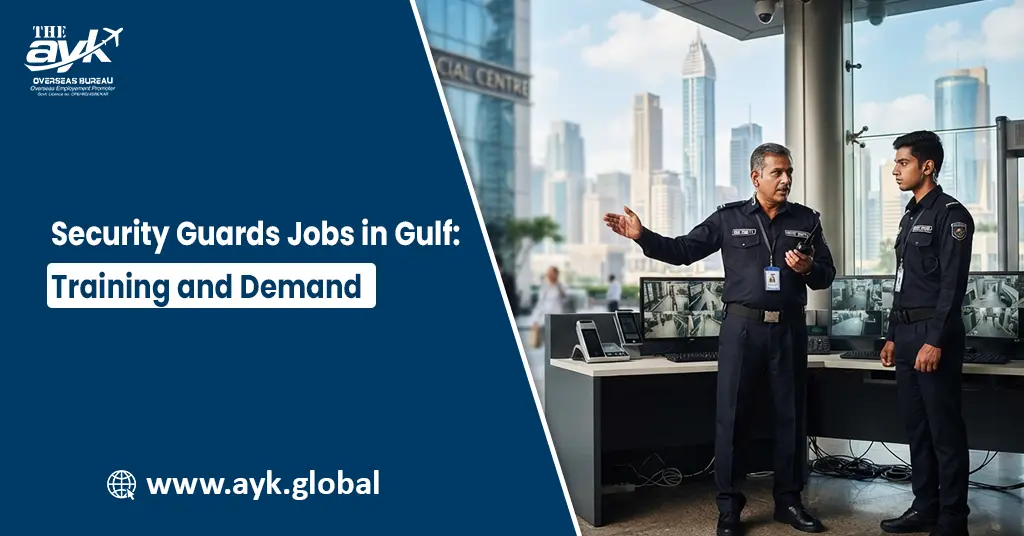 Security Guard Jobs in the Gulf: Training and Demand
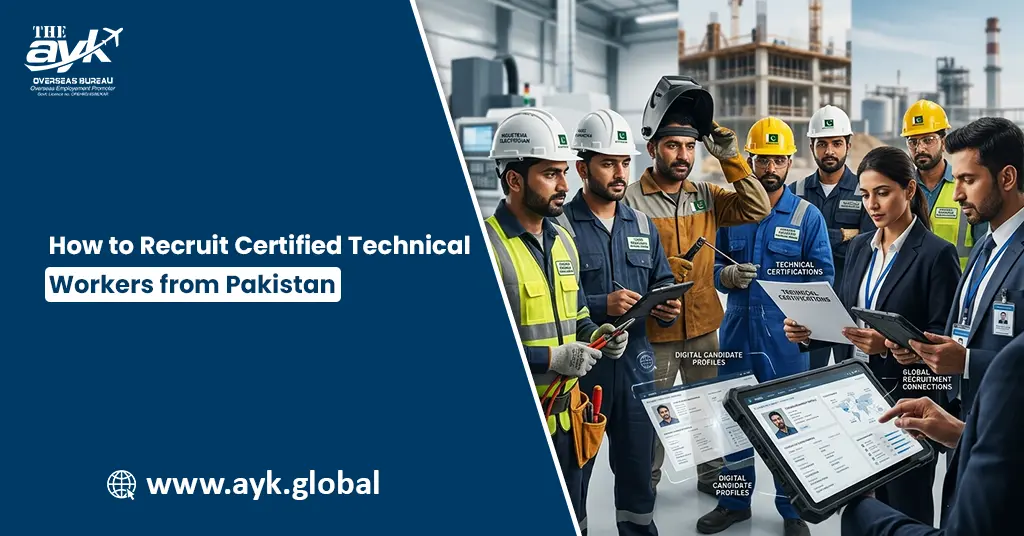 How to Recruit Certified Technical Workers from Pakistan
 KSA Recruitment
 UAE Recruitment
 Qatar Recruitment
 Oman Recruitment
 Kuwait Recruitment
 Libya Recruitment
 Bahrain Recruitment
 Iraq Recruitment
 Malaysia Recruitment
 Malta Recruitment
 Canada Recruitment
 USA Recruitment
 Europe Recruitment
 UK Recruitment
 Romania Recruitment
 Poland Recruitment
 Bulgaria Recruitment
 Albania Recruitment
 Serbia Recruitment
 Lithuania Recruitment
 Japan Recruitment
 Turkey Recruitment
 Kyrgyzstan Recruitment
 South Korea Recruitment