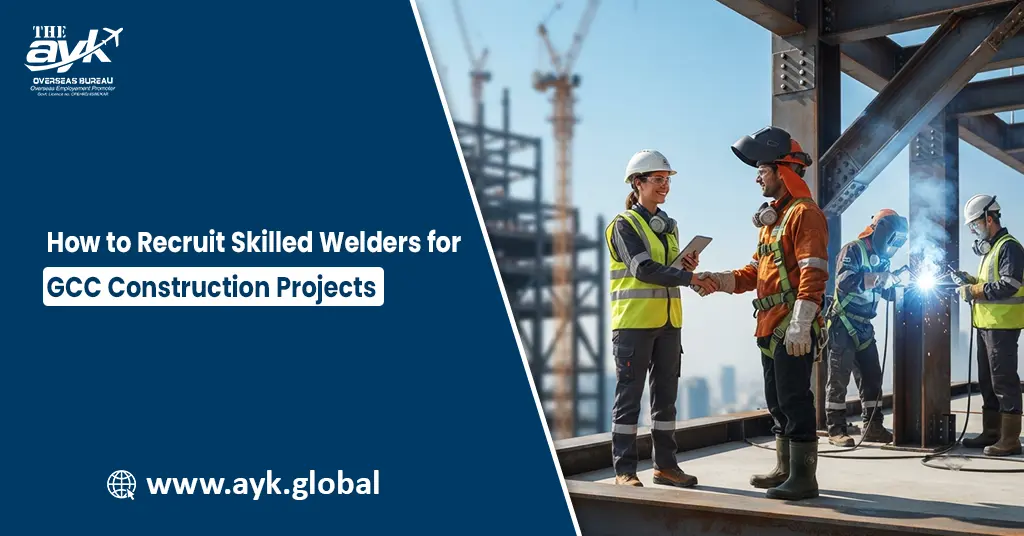
How to Recruit Skilled Welders for GCC Construction Projects
Published: July 03, 2026 | Views: 25
Welders are one of the most critical skilled manpower categories in GCC construction and industrial projects. Countries such as Saudi Arabia, United Arab Emirates, Qatar, Kuwait, Oman, and Bahrain rely heavily on certified welders for infrastructure development, oil & gas pipelines, shipbuilding, steel fabrication, and large-scale construction projects. The demand for skilled welders continues to grow as GCC nations expand mega projects including smart cities, industrial zones, bridges, refineries, and high-rise developments.
Recruiting skilled welders for GCC projects requires more than just hiring experience-based candidates. Employers must ensure technical competency, certification validity, safety awareness, and job readiness. A structured recruitment process helps reduce risks, improve productivity, and ensure high-quality welding work on-site. This guide explains how GCC employers can effectively recruit skilled welders for construction projects in a systematic and reliable way.
Defining Welder Skill Requirements Clearly
The first step in recruiting skilled welders is clearly defining job requirements based on project needs. Welding is a highly technical skill, and different projects require different welding techniques such as MIG, TIG, ARC, or pipeline welding. Without proper specification, employers may end up hiring mismatched candidates who cannot meet project standards.
GCC employers must clearly define skill level, welding type, material experience, and certification requirements. For example, pipeline welding for oil & gas projects requires higher skill standards compared to general fabrication welding. Proper job definition ensures accurate candidate sourcing and reduces hiring errors.
Key requirements include:
- Welding type (MIG, TIG, ARC, etc.)
- Material expertise (steel, stainless steel, aluminum)
- Experience level (3–5 years or more)
- Safety awareness and site experience
- Ability to read technical drawings
Sourcing Skilled Welders from Reliable Countries
GCC employers typically source welders from countries such as Pakistan, India, Bangladesh, Nepal, Sri Lanka, and Egypt. Among these, Pakistan is one of the strongest sources due to its large pool of trained welders and technical institute graduates.
Recruitment agencies play a key role in identifying skilled welders through vocational training centers, industrial workshops, and previous GCC experience databases. Employers benefit from pre-screened candidates who already understand international work environments and safety standards.
Reliable sourcing ensures:
- Access to experienced welders
- Faster recruitment turnaround
- Better skill matching
- Reduced hiring risks
Trade Testing and Welding Skill Evaluation
Trade testing is the most important step in hiring welders for GCC construction projects. It ensures that candidates can perform real welding tasks under supervision before final selection. Welders are tested on different welding positions, joint types, and material handling techniques.
During trade testing, candidates may be asked to perform vertical, horizontal, or overhead welding tasks depending on job requirements. Their work is evaluated based on accuracy, strength, finish quality, and safety compliance.
Trade testing helps employers:
- Verify real welding skills
- Eliminate unqualified candidates
- Ensure safety compliance
- Improve project quality standards
Documentation and Certification Verification
After trade testing and initial selection, the next critical step is verifying welders’ documentation and certifications. GCC employers must ensure that every candidate has valid identity documents, work experience proof, and any relevant welding certifications before proceeding with visa processing.
Commonly required documents include passport validity, previous employment letters, welding certificates (if available), and medical fitness reports. In many cases, experienced welders may not have formal certifications but strong practical experience, which must be properly verified through references and trade testing results.
Proper documentation ensures:
- Legal compliance with GCC labor laws
- Smooth visa approval process
- Reduced risk of fake or incomplete profiles
- Faster deployment timelines
Recruitment agencies play an important role in validating documents and ensuring that only genuine and eligible candidates move forward in the hiring process.
Visa Processing and Work Permit Approval
Once welders are selected and documents are verified, the visa processing stage begins. This involves submitting applications to GCC immigration authorities along with employment contracts and supporting documents.
Visa approval timelines vary depending on the country and embassy workload, but accurate documentation significantly speeds up the process. Any mismatch in job titles, experience, or personal data can lead to delays or rejection.
Recruitment agencies assist by coordinating with embassies and ensuring that all paperwork is correctly prepared and submitted, reducing administrative delays and improving approval success rates.
Medical Fitness and Safety Clearance
Medical testing is mandatory for welders being deployed to GCC construction and industrial sites. Candidates must undergo health examinations at approved medical centers to ensure they are physically fit for demanding work environments.
Tests usually include blood tests, chest X-rays, and general physical assessments. Since welding involves exposure to heat, fumes, and industrial environments, medical fitness is essential for safety and compliance.
This step ensures:
- Worker safety in hazardous environments
- Compliance with GCC immigration requirements
- Reduced risk of workplace health issues
- Smooth visa stamping process
Deployment, Onboarding, and Site Integration
After visa and medical clearance, welders are deployed to GCC project sites. Proper onboarding is essential to ensure smooth integration into the workplace. This includes safety induction, job assignment, and orientation about project requirements.
On arrival, welders are usually briefed about site rules, welding standards, safety protocols, and reporting structures. This helps them adapt quickly and start productive work without delays.
Effective onboarding improves:
- Workforce productivity from day one
- Safety compliance on-site
- Worker confidence and performance
- Project efficiency and coordination
Cost Optimization in Welder Recruitment
Recruiting skilled welders can be expensive if not managed efficiently. GCC employers can reduce costs through bulk hiring, long-term agency partnerships, and pre-screened candidate databases.
Trade testing also helps reduce long-term costs by eliminating unqualified candidates early in the process, preventing visa wastage and replacement hiring expenses. Efficient planning ensures better resource utilization and lower overall recruitment costs.
Retention Strategies for Skilled Welders
Retention is crucial in maintaining a stable welding workforce for GCC projects. Skilled welders are in high demand, so employers must focus on keeping them satisfied and motivated.
Retention strategies include competitive salaries, safe working conditions, timely payments, accommodation facilities, and clear career growth opportunities. When welders feel secure and valued, they are more likely to stay longer, reducing turnover and recruitment frequency.
Conclusion
Recruiting skilled welders for GCC construction projects requires a structured process involving sourcing, trade testing, documentation, visa processing, medical clearance, and proper onboarding. Each step ensures that only qualified and job-ready welders are deployed to demanding industrial environments.
By following a systematic recruitment strategy, GCC employers can improve productivity, reduce risks, and ensure high-quality welding work across large-scale infrastructure and industrial projects.
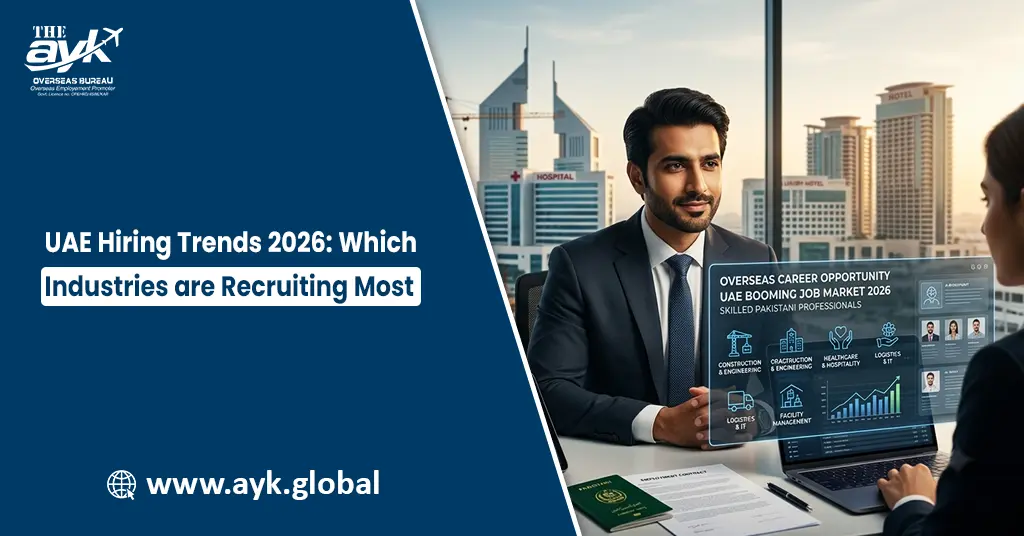 UAE Hiring Trends 2026: Which Industries Are Recruiting Most
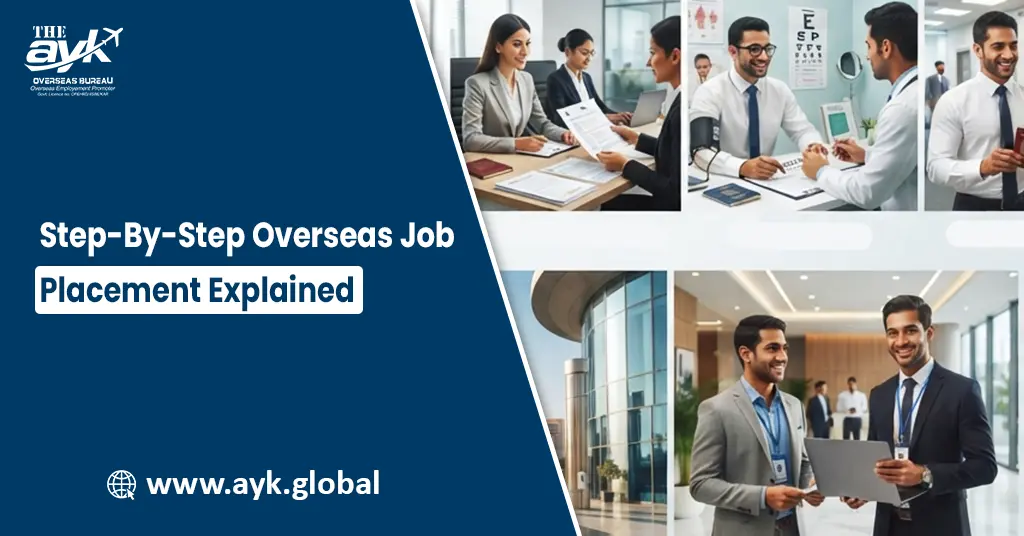 Step-by-Step Process of Overseas Job Placement Explained
 KSA Recruitment
 UAE Recruitment
 Qatar Recruitment
 Oman Recruitment
 Kuwait Recruitment
 Libya Recruitment
 Bahrain Recruitment
 Iraq Recruitment
 Malaysia Recruitment
 Malta Recruitment
 Canada Recruitment
 USA Recruitment
 Europe Recruitment
 UK Recruitment
 Romania Recruitment
 Poland Recruitment
 Bulgaria Recruitment
 Albania Recruitment
 Serbia Recruitment
 Lithuania Recruitment
 Japan Recruitment
 Turkey Recruitment
 Kyrgyzstan Recruitment
 South Korea Recruitment