HR Services for International Workforce Management
Published: July 07, 2026 | Views: 3
Managing an international workforce has become a major priority for businesses expanding across borders and operating in global markets. Companies today often employ people from different countries, cultures, and professional backgrounds, creating new opportunities as well as complex HR challenges. International workforce management requires more than traditional employee management because organizations must handle global recruitment, employment regulations, cultural differences, payroll requirements, remote workforce coordination, and employee engagement across multiple locations. Professional HR services help businesses overcome these challenges by providing specialized solutions designed for global operations. From hiring international talent and ensuring legal compliance to managing employee experiences and developing global workforce strategies, HR experts help organizations create efficient systems for managing employees worldwide. Effective international HR management allows businesses to expand successfully, maintain productivity, reduce risks, and build a strong global workforce.
Understanding International Workforce Management
International workforce management involves planning, organizing, and supporting employees who work across different countries and regions. It includes managing global recruitment, employment policies, compensation, compliance, communication, and employee development. Unlike domestic workforce management, international HR requires organizations to consider different labor laws, cultural expectations, economic conditions, and workplace practices. HR professionals help businesses create strategies that support employees regardless of location while maintaining consistency with company goals. Effective international workforce management ensures that global teams remain connected, productive, and aligned with organizational objectives. By developing structured HR systems, companies can successfully manage diverse workforces and take advantage of global talent opportunities.
Supporting Global Recruitment and Talent Acquisition
Finding the right employees in international markets can be challenging due to differences in talent availability, hiring practices, and local employment expectations. HR services help businesses develop effective global recruitment strategies by identifying suitable talent markets, creating localized hiring approaches, and managing international candidate searches. HR professionals understand regional recruitment trends and use appropriate sourcing methods to attract qualified professionals from different countries. They also help organizations evaluate candidates based on skills, experience, cultural adaptability, and role requirements. Professional HR support reduces recruitment challenges and allows businesses to build strong international teams more efficiently. A strategic global recruitment approach helps companies access diverse talent pools and strengthen their competitive position.
Managing International Employment Compliance
One of the biggest challenges in international workforce management is maintaining compliance with different countries' employment laws and regulations. Each location may have unique requirements related to contracts, working hours, employee rights, benefits, taxation, and workplace policies. HR services help businesses understand and manage these legal responsibilities by developing compliant employment processes and monitoring regulatory changes. HR professionals ensure that organizations follow local requirements while maintaining consistent global workforce standards. Proper compliance management reduces legal risks, prevents costly penalties, and protects both employers and employees. By relying on expert HR support, businesses can confidently expand into new markets while maintaining responsible employment practices.
Creating Effective Global Onboarding Programs
Onboarding international employees requires careful planning because new hires may face challenges related to location, culture, communication, and workplace expectations. HR services help businesses create structured global onboarding programs that provide employees with the information, tools, and support they need to succeed. These programs may include company introductions, digital training, cultural awareness sessions, policy explanations, and role-specific guidance. Effective onboarding helps international employees feel connected to the organization and understand their responsibilities from the beginning. A consistent onboarding experience improves engagement, reduces confusion, and helps new employees become productive faster. HR professionals ensure that onboarding programs work effectively across different regions while respecting local differences.
Managing Cross-Cultural Communication and Workplace Diversity
International teams often include employees from different cultural backgrounds, languages, and working styles. HR services play an important role in promoting effective communication and creating inclusive workplace environments. HR professionals develop diversity strategies, cultural training programs, communication guidelines, and employee engagement initiatives that help global teams collaborate successfully. Understanding cultural differences reduces misunderstandings and strengthens teamwork between employees from different regions. A diverse workforce brings new perspectives, creativity, and problem-solving abilities, but it requires thoughtful management to achieve its full potential. By supporting inclusion and cross-cultural collaboration, HR services help businesses create stronger global teams and improve overall organizational performance.
Managing Global Payroll and Employee Benefits
Managing payroll and employee benefits across multiple countries is one of the most complex responsibilities in international workforce management. Different regions have different salary structures, tax regulations, currency requirements, benefits systems, and employment standards. HR services help businesses create accurate and compliant global payroll systems that ensure employees are paid correctly and on time. HR professionals manage compensation structures, local benefits requirements, tax considerations, and payroll reporting to reduce administrative challenges. They also help organizations design competitive benefits packages that attract and retain international talent. Effective global payroll management improves employee satisfaction, builds trust, and ensures businesses maintain compliance with local employment requirements. By outsourcing complex payroll responsibilities to HR experts, companies can focus more on their global growth strategies.
Supporting Remote and Distributed International Teams
The growth of remote work has transformed how companies manage international employees. Businesses can now hire professionals from different countries without requiring physical offices in every location. However, managing distributed teams requires effective HR strategies related to communication, collaboration, performance management, and employee engagement. HR services help organizations create remote workforce policies, digital onboarding systems, virtual communication practices, and performance tracking methods. HR professionals ensure that employees working across different time zones remain connected and productive. They also support managers in leading diverse teams and maintaining a strong company culture in virtual environments. Effective remote workforce management allows businesses to access global talent while maintaining operational efficiency.
Developing Global Employee Performance Management Systems
Performance management becomes more complex when employees work across different countries and cultural environments. HR services help businesses develop global performance management systems that provide fair evaluations, clear expectations, and continuous feedback. These systems are designed to consider different workplace practices while maintaining consistency with company objectives. HR professionals help managers establish performance goals, conduct reviews, identify development opportunities, and support employee improvement. A strong global performance system ensures employees understand how their contributions support business success. It also helps organizations recognize high-performing employees and create development plans for future growth. Effective performance management strengthens accountability and improves productivity across international teams.
Providing International Employee Support and Engagement Strategies
Maintaining employee engagement is essential for organizations managing a global workforce. International employees may experience challenges related to cultural adjustment, communication barriers, isolation, or differences in workplace expectations. HR services help businesses create employee support strategies that improve satisfaction and connection. These strategies may include employee assistance programs, wellness initiatives, engagement surveys, communication platforms, and professional development opportunities. HR professionals analyze employee feedback and develop solutions that improve the overall workplace experience. Strong engagement strategies help international employees feel valued and connected to the organization. A supportive global workplace increases loyalty, improves retention, and strengthens the company’s reputation as an international employer.
Building a Long-Term Global Workforce Strategy
Successful international workforce management requires a long-term strategy that supports business expansion and future workforce needs. HR services help organizations analyze global talent trends, plan future hiring requirements, develop leadership pipelines, and create adaptable workforce structures. A strong global workforce strategy considers changing market conditions, technological developments, employee expectations, and regional differences. HR professionals help businesses prepare for future challenges by creating flexible policies and scalable HR systems. Strategic workforce planning enables companies to expand internationally while maintaining efficiency, consistency, and employee satisfaction. Organizations that invest in professional HR support are better prepared to manage global growth and build successful international teams.
Conclusion
International workforce management requires specialized HR strategies that address the challenges of managing employees across different countries and cultures. Professional HR services provide businesses with the expertise needed to handle global recruitment, compliance, payroll, employee engagement, remote work, and workforce planning. As companies continue expanding internationally, effective HR management becomes essential for building strong and productive global teams. By investing in professional HR solutions, organizations can reduce risks, improve employee experiences, and create workforce strategies that support long-term international success.
 Top Jobs in Dubai for Pakistani Workers – Apply Through AYK Overseas Recruitment
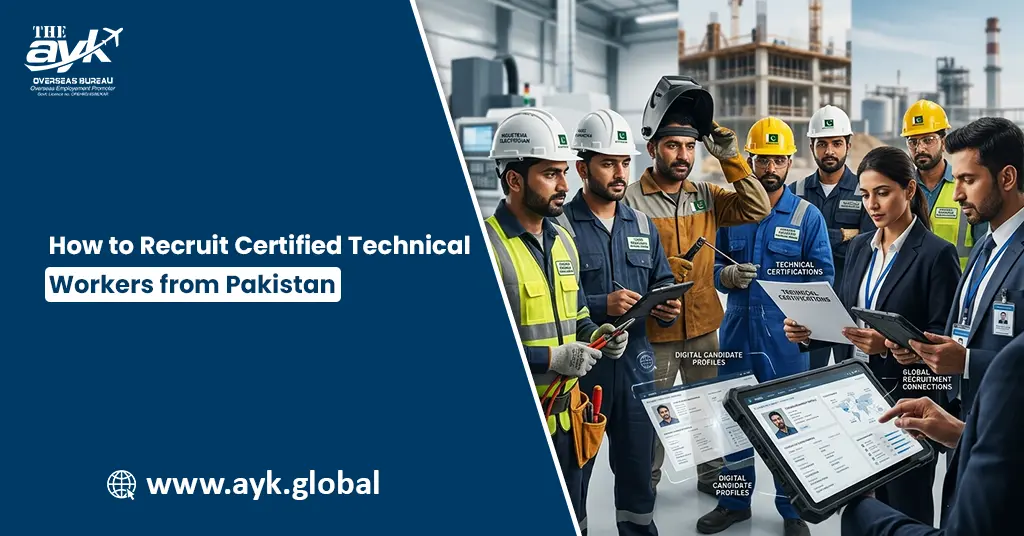 How to Recruit Certified Technical Workers from Pakistan
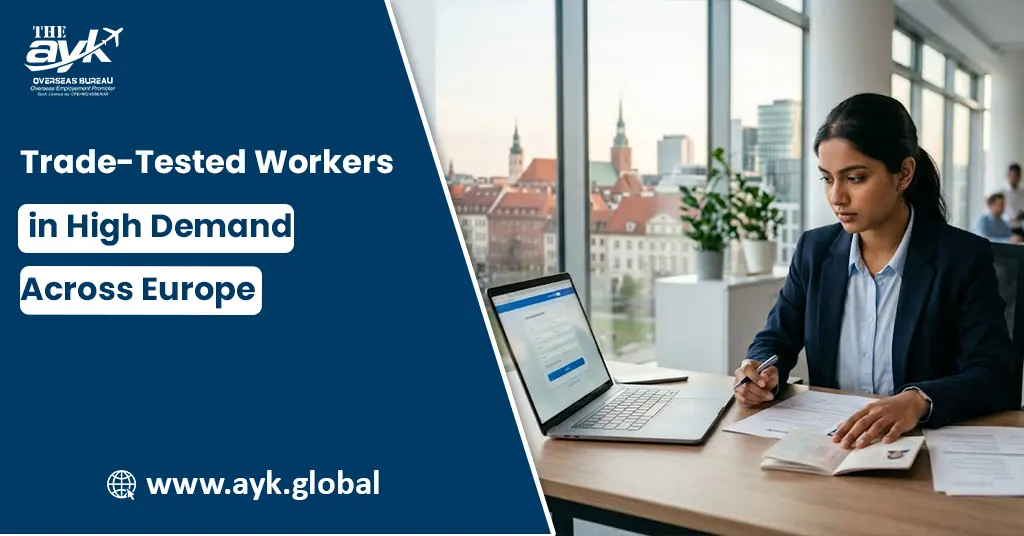 Trade-Tested Workers in High Demand Across Europe
 KSA Recruitment
 UAE Recruitment
 Qatar Recruitment
 Oman Recruitment
 Kuwait Recruitment
 Libya Recruitment
 Bahrain Recruitment
 Iraq Recruitment
 Malaysia Recruitment
 Malta Recruitment
 Canada Recruitment
 USA Recruitment
 Europe Recruitment
 UK Recruitment
 Romania Recruitment
 Poland Recruitment
 Bulgaria Recruitment
 Albania Recruitment
 Serbia Recruitment
 Lithuania Recruitment
 Japan Recruitment
 Turkey Recruitment
 Kyrgyzstan Recruitment
 South Korea Recruitment