HR Strategies for Managing Skilled and Unskilled Workforces
Published: July 07, 2026 | Views: 2
Introduction
Managing a workforce with different skill levels requires strategic planning, effective communication, and customized HR approaches. Modern organizations often depend on both skilled and unskilled employees to maintain smooth operations, achieve business goals, and remain competitive. Skilled employees bring specialized knowledge, technical expertise, and experience, while unskilled or entry-level employees provide essential support and operational strength. However, managing these diverse workforce groups can create challenges related to recruitment, training, performance expectations, motivation, retention, and career development. Professional HR strategies help businesses create balanced workforce management systems that support employees at every level. By understanding the unique needs of skilled and unskilled workers, HR professionals can develop effective hiring strategies, training programs, performance systems, and engagement initiatives. A well-managed workforce improves productivity, reduces turnover, strengthens workplace culture, and supports long-term business growth.
Understanding the Differences Between Skilled and Unskilled Workforces
The first step in effective workforce management is understanding the differences between skilled and unskilled employees. Skilled workers usually possess specialized education, technical abilities, certifications, or professional experience required for complex tasks. They often handle roles that require advanced knowledge, problem-solving abilities, and decision-making skills. Unskilled workers typically perform roles that require basic training, operational support, or practical workplace knowledge. Although their responsibilities may differ, both workforce groups are essential for organizational success. HR professionals must recognize these differences when creating recruitment strategies, training programs, compensation structures, and performance expectations. A balanced approach ensures that every employee receives the support and resources needed to perform effectively while contributing to overall business objectives.
Developing Targeted Recruitment Strategies
Effective recruitment requires different approaches for skilled and unskilled workforce segments. HR professionals develop targeted recruitment strategies based on job requirements, industry needs, and candidate availability. For skilled positions, organizations may focus on professional networks, industry platforms, specialized recruitment channels, and talent acquisition strategies designed to attract experienced professionals. For unskilled or entry-level roles, businesses may use local recruitment campaigns, job fairs, employee referrals, and accessible hiring processes. A customized recruitment approach helps organizations find suitable candidates faster and reduces hiring challenges. HR services also ensure that job descriptions accurately explain responsibilities, qualifications, and expectations, helping attract employees who are better suited for each role.
Creating Effective Training and Development Programs
Training is essential for improving employee performance and helping workers develop the skills required for their roles. HR strategies should include different learning approaches for skilled and unskilled employees based on their responsibilities and career goals. Skilled employees may benefit from advanced technical training, leadership development, industry certifications, and specialized learning opportunities. Unskilled workers often require foundational training, safety education, operational guidance, and practical skill development. HR professionals design training programs that improve confidence, productivity, and workplace efficiency. Continuous learning opportunities also help businesses create internal growth paths and prepare employees for future responsibilities. A strong training culture benefits both employees and organizations by improving capabilities and reducing performance gaps.
Implementing Fair Performance Management Systems
Managing performance effectively requires clear expectations, regular feedback, and appropriate evaluation methods for different workforce groups. HR professionals create performance management systems that measure employee contributions based on job responsibilities and organizational goals. Skilled employees may be evaluated on innovation, technical performance, leadership, and project outcomes, while unskilled employees may be assessed on reliability, productivity, safety practices, and task completion. Fair performance systems ensure employees understand expectations and receive guidance for improvement. Regular feedback sessions help identify challenges early and encourage continuous development. A transparent performance management approach improves motivation, accountability, and overall workforce effectiveness.
Building Employee Engagement Across Different Workforce Levels
Employee engagement is important for both skilled and unskilled workers because it directly affects productivity, satisfaction, and retention. HR strategies should focus on creating an inclusive workplace where every employee feels respected and valued. Skilled employees may be motivated through career growth, challenging projects, recognition, and leadership opportunities. Unskilled employees may benefit from supportive supervision, skill development opportunities, recognition programs, and clear career pathways. HR professionals help create communication systems that allow employees at all levels to share feedback and feel connected to organizational goals. Strong engagement improves workplace relationships and creates a culture where diverse employees can contribute successfully.
Creating Career Growth Opportunities for All Employees
Career development is an important HR strategy that helps organizations retain both skilled and unskilled employees by showing them opportunities for future growth. Skilled employees often seek advanced responsibilities, leadership positions, and opportunities to improve their expertise. HR teams can support them through leadership programs, professional certifications, mentoring, and specialized training. Unskilled employees also benefit from career development through skill-building programs, workplace training, and opportunities to move into higher-level positions. Creating clear career pathways motivates employees to improve their performance and remain committed to the organization. When workers see opportunities for advancement, they are more likely to invest their time and effort into their roles. A growth-focused HR approach helps businesses build internal talent and reduce dependence on external hiring.
Developing Effective Compensation and Reward Strategies
Compensation and rewards play a major role in attracting, motivating, and retaining employees across different workforce levels. HR professionals develop compensation strategies that consider job responsibilities, market conditions, employee skills, and organizational budgets. Skilled employees may receive rewards based on expertise, performance achievements, and specialized contributions. Unskilled employees require fair wages, benefits, recognition, and incentives that encourage reliability and productivity. A balanced reward system ensures employees feel valued regardless of their position within the organization. HR teams also create recognition programs that appreciate employee efforts beyond financial compensation. Effective compensation strategies improve satisfaction, reduce turnover, and create a more motivated workforce.
Managing Workplace Communication and Team Collaboration
Effective communication is essential when managing employees with different skill levels and professional backgrounds. HR strategies should focus on creating clear communication channels that ensure every employee understands workplace expectations, policies, and responsibilities. Skilled employees may require collaborative communication for projects, innovation, and decision-making, while unskilled employees often benefit from simple instructions, practical guidance, and supportive supervision. HR professionals help managers develop communication methods that work for diverse teams. Encouraging teamwork between skilled and unskilled employees also improves knowledge sharing and workplace cooperation. Strong communication reduces misunderstandings, improves efficiency, and creates a more connected organizational environment.
Maintaining Workplace Safety and Employee Well-Being
Workplace safety and employee well-being are important responsibilities when managing diverse workforces, especially in industries involving physical tasks, machinery, or operational risks. HR professionals develop safety policies, conduct training programs, and ensure employees understand workplace procedures. Unskilled employees may require additional safety training because they may have less experience with workplace hazards, while skilled employees may need specialized safety updates related to their roles. HR strategies also include employee wellness programs, health support initiatives, and stress management resources. A safe and supportive workplace improves employee confidence, reduces accidents, and increases overall productivity. Prioritizing employee well-being demonstrates organizational commitment and strengthens workplace trust.
Using Workforce Analytics for Better HR Decisions
Workforce analytics helps organizations understand employee performance, workforce trends, skill gaps, and future requirements. HR professionals use data to evaluate recruitment effectiveness, employee turnover, productivity levels, training outcomes, and workforce needs. Analytics allows businesses to identify whether skilled or unskilled workforce groups require additional support, development, or resources. Data-driven decisions help organizations create more effective HR strategies instead of relying on assumptions. By analyzing workforce information, companies can improve staffing plans, optimize training investments, and develop better employee management practices. Workforce analytics provides valuable insights that help businesses create balanced and productive teams.
Conclusion
Managing skilled and unskilled workforces effectively requires thoughtful HR strategies that recognize the unique needs of different employee groups. Through targeted recruitment, training and development, fair performance management, employee engagement, career growth opportunities, and workforce analytics, organizations can create balanced and productive teams. Professional HR management ensures that every employee receives the support needed to perform successfully and contribute to business goals. A well-managed workforce improves efficiency, reduces turnover, and creates a stronger foundation for sustainable business growth. By investing in effective HR strategies, companies can maximize the potential of both skilled and unskilled employees while building a successful and inclusive workplace.
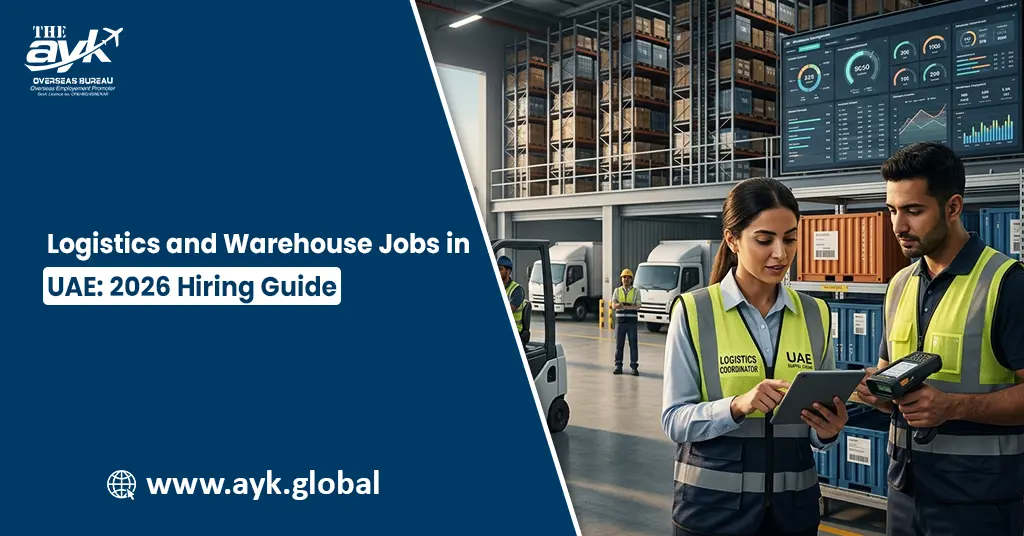 Logistics and Warehouse Jobs in UAE: 2026 Hiring Guide
 How to Avoid Fake Recruitment Agencies in Pakistan
 Starting a Small Business with Overseas Savings
 KSA Recruitment
 UAE Recruitment
 Qatar Recruitment
 Oman Recruitment
 Kuwait Recruitment
 Libya Recruitment
 Bahrain Recruitment
 Iraq Recruitment
 Malaysia Recruitment
 Malta Recruitment
 Canada Recruitment
 USA Recruitment
 Europe Recruitment
 UK Recruitment
 Romania Recruitment
 Poland Recruitment
 Bulgaria Recruitment
 Albania Recruitment
 Serbia Recruitment
 Lithuania Recruitment
 Japan Recruitment
 Turkey Recruitment
 Kyrgyzstan Recruitment
 South Korea Recruitment