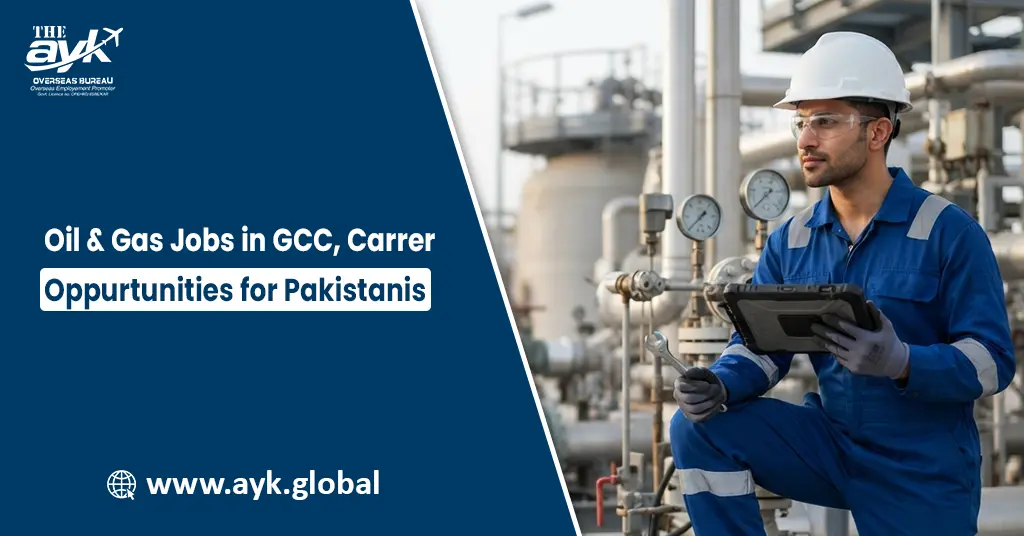
Oil and Gas Jobs in GCC, Career Opportunities for Pakistanis
Published: July 02, 2026 | Views: 17
Introduction
Oil and gas jobs in GCC countries are considered one of the most prestigious, high-paying, and technically advanced career opportunities for Pakistani workers in 2026. The Gulf Cooperation Council (GCC) region, which includes Saudi Arabia, United Arab Emirates (UAE), Qatar, Kuwait, Oman, and Bahrain, holds some of the world’s largest oil and gas reserves. Because of this, these countries heavily depend on the energy sector for their economic growth and continue to invest billions of dollars in exploration, refining, petrochemical industries, offshore drilling, and pipeline infrastructure projects.
For Pakistani professionals and skilled workers, the oil and gas industry offers exceptional career opportunities with tax-free salaries, long-term contracts, and additional benefits such as accommodation, transportation, medical insurance, and overtime pay. From engineers and technicians to safety officers and machine operators, the demand for manpower in this sector remains consistently high. However, competition is also strong, and employers usually prefer candidates with relevant technical qualifications, certifications, and prior industrial experience.
Types of Oil and Gas Jobs in GCC Countries
Oil and gas jobs in GCC countries cover a wide range of technical and non-technical roles across upstream, midstream, and downstream operations. Upstream jobs include exploration and drilling activities where petroleum engineers, geologists, drilling supervisors, and rig operators are required. These roles are highly specialized and involve working on oil fields, offshore rigs, and exploration sites, often in challenging environments.
Midstream and downstream jobs focus on transportation, refining, and distribution of oil and gas products. In these areas, mechanical engineers, pipeline technicians, refinery operators, and maintenance supervisors play a key role. Additionally, support roles such as safety officers, quality control inspectors, electricians, welders, and instrumentation technicians are also in high demand. Each job category requires specific skills and training depending on the level of responsibility and technical complexity involved.
Skills Required for Oil and Gas Careers
Oil and gas jobs in GCC countries require a strong combination of technical knowledge, practical experience, and safety awareness. Professionals in this field must have a deep understanding of engineering principles, industrial machinery, drilling operations, and refinery processes. For engineers, knowledge of petroleum systems, mechanical design, and process engineering is essential, while technicians must be skilled in equipment handling, maintenance, and troubleshooting.
Apart from technical expertise, safety is one of the most critical skills in the oil and gas industry. Workers must follow strict safety protocols, understand hazard management, and comply with international safety standards such as HSE (Health, Safety, and Environment). Communication skills, teamwork, and the ability to work in multinational environments are also important, as projects often involve workers from different countries and cultural backgrounds.
Salary Packages in Oil and Gas Industry
Oil and gas jobs in GCC countries offer some of the highest salary packages compared to other industries. Entry-level technicians and operators may receive moderate salaries, but experienced engineers, supervisors, and specialists can earn significantly higher incomes. Salaries vary depending on job role, experience, company, and country, but overall compensation in this sector is considered highly competitive.
In addition to basic salary, employees often receive multiple benefits such as free accommodation, transportation, medical insurance, overtime pay, and annual bonuses. Many companies also provide offshore allowances for workers operating in remote oil fields or drilling rigs. Countries like Qatar and UAE often offer higher salaries for specialized roles, while Saudi Arabia provides strong long-term job stability and excellent benefits packages.
Educational Qualifications and Certifications
To work in the oil and gas sector in GCC countries, candidates usually need a relevant educational background in engineering, science, or technical fields. Degrees in petroleum engineering, mechanical engineering, chemical engineering, electrical engineering, or industrial technology are highly preferred. For technician roles, diplomas or vocational training in relevant fields are often sufficient.
Certifications also play a very important role in securing high-paying jobs in this industry. International certifications such as NEBOSH, IOSH, API, and other safety or technical qualifications significantly improve job prospects. Employers in GCC countries also prefer candidates with prior experience in industrial environments, especially in oil refineries, drilling sites, or petrochemical plants.
Job Opportunities in Different GCC Countries
Each GCC country offers unique opportunities in the oil and gas sector depending on its industrial focus. Saudi Arabia is the largest player in the global oil industry and offers the highest number of job opportunities through companies like Saudi Aramco. UAE also has a strong energy sector with offshore and onshore projects requiring skilled engineers and technicians.
Qatar is known for its liquefied natural gas (LNG) industry and offers high-paying roles in gas processing and export facilities. Kuwait has a well-established oil refining sector, while Oman focuses on exploration and mid-sized oil production projects. Bahrain, although smaller in oil reserves, still provides opportunities in refinery operations and maintenance services. Overall, all GCC countries offer strong career potential in the energy sector.
Career Growth in Oil and Gas Industry
The oil and gas industry offers excellent long-term career growth opportunities for Pakistani professionals. Entry-level workers can gradually progress to senior technician, supervisor, or engineering roles with experience and additional certifications. Many companies also provide internal training programs, workshops, and international exposure to help employees improve their technical and managerial skills.
With continuous global demand for energy and ongoing investments in new technologies, the future of oil and gas careers in GCC remains strong. Professionals who stay updated with modern technologies such as automation, digital monitoring systems, and renewable energy integration will have even better career opportunities in the coming years.
Conclusion
Oil and gas jobs in GCC countries provide some of the most rewarding and high-paying career opportunities for Pakistani workers in 2026. With strong demand for engineers, technicians, and skilled workers, the energy sector continues to offer stable employment and excellent benefits across Saudi Arabia, UAE, Qatar, Kuwait, Oman, and Bahrain.
However, success in this field requires proper qualifications, technical skills, safety knowledge, and experience. Candidates who prepare professionally and apply through legal recruitment channels can build long-term, high-income careers in one of the world’s most important industries.
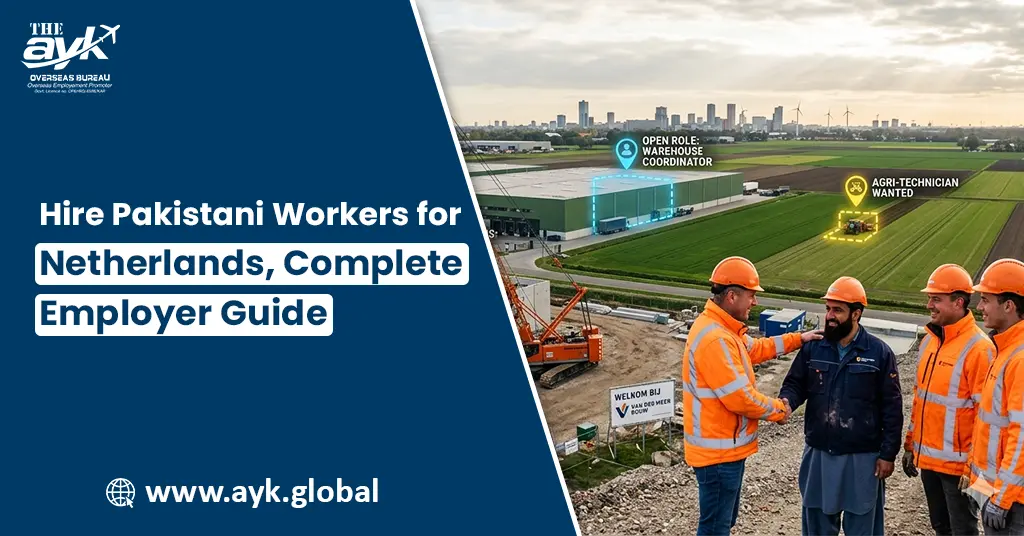 Hire Pakistani Workers for Netherlands, Complete Employer Guide
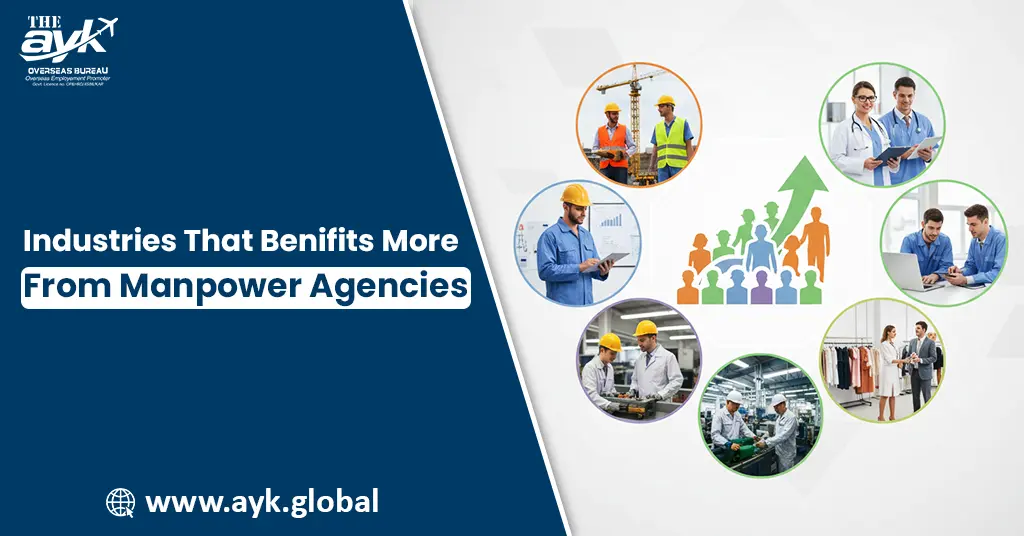 Industries That Benefit Most from Manpower Agencies
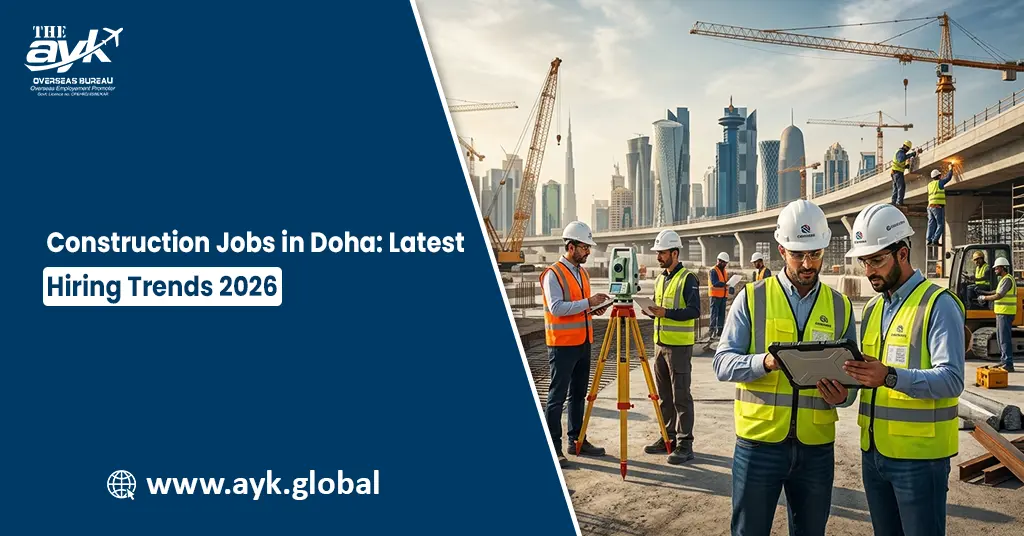 Construction Jobs in Doha: Latest Hiring Trends 2026
 KSA Recruitment
 UAE Recruitment
 Qatar Recruitment
 Oman Recruitment
 Kuwait Recruitment
 Libya Recruitment
 Bahrain Recruitment
 Iraq Recruitment
 Malaysia Recruitment
 Malta Recruitment
 Canada Recruitment
 USA Recruitment
 Europe Recruitment
 UK Recruitment
 Romania Recruitment
 Poland Recruitment
 Bulgaria Recruitment
 Albania Recruitment
 Serbia Recruitment
 Lithuania Recruitment
 Japan Recruitment
 Turkey Recruitment
 Kyrgyzstan Recruitment
 South Korea Recruitment