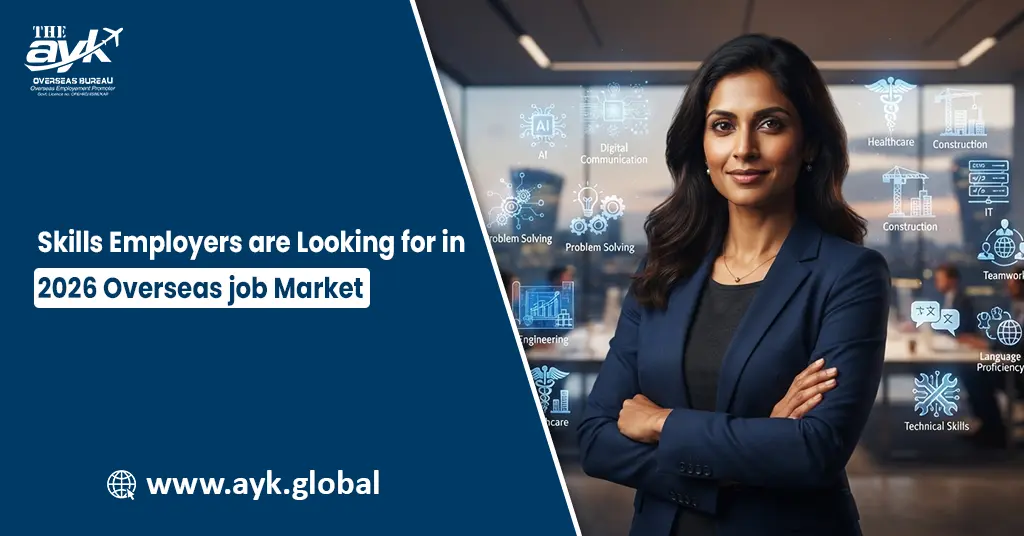
Skills Employers Are Looking for in 2026 Overseas Job Market
Published: June 30, 2026 | Views: 16
Introduction
As the overseas job market continues evolving heading into 2026, employers across the Gulf region are increasingly specific about the skills and qualities they prioritize when evaluating candidates for available positions. Understanding exactly which skills are genuinely valued, beyond simply having relevant work experience, can significantly improve a job seeker's competitiveness and help them better prepare before entering the overseas application process.
This guide breaks down the key skill categories that overseas employers are consistently prioritizing in 2026, based on hiring patterns observed across construction, healthcare, hospitality, and technical sectors. AYK Overseas Recruitment & HR Manpower Agency, recognized as one of Pakistan's top manpower agencies, works closely with candidates to help them develop and present these in-demand skills effectively, ensuring stronger competitiveness within an increasingly selective overseas job market.
Verified Technical Certifications Over General Experience Claims
Overseas employers in 2026 increasingly prioritize candidates who hold verifiable, internationally recognized technical certifications relevant to their specific trade or profession, rather than relying solely on general experience claims that cannot be independently confirmed. This shift reflects employers' growing emphasis on documented competency, particularly for technical and safety-sensitive roles where unverified skill claims could create operational risks.
Workers should prioritize obtaining relevant certifications recognized within their target industry, whether through trade testing centers, professional licensing bodies, or recognized international training programs, rather than assuming general work history alone will satisfy employer requirements. Agencies that help candidates identify exactly which certifications carry genuine weight with specific employers provide significantly more valuable guidance than generic advice about simply having "experience" in a particular field.
Strong Communication Skills in English
English communication proficiency continues to be highly valued across nearly every overseas job category in 2026, given the multinational nature of most Gulf workplaces and the operational necessity of clear communication across diverse, international teams. Employers increasingly assess this skill not just through formal language tests but through practical communication during interviews and even written application materials.
Workers should invest time in improving their practical English communication abilities, particularly focused on workplace-relevant vocabulary and clear, direct expression rather than purely academic language skills that may not translate well to practical workplace communication needs. This investment in communication skill development often pays significant dividends across the entire overseas job search process, from initial application through ongoing workplace success after placement.
Digital Literacy and Basic Technology Skills
Even within traditionally hands-on sectors like construction and hospitality, employers increasingly expect candidates to possess basic digital literacy skills, including comfort with smartphone applications, basic email communication, and familiarity with whatever digital systems their specific workplace utilizes for scheduling, reporting, or communication purposes. This trend reflects the broader digital transformation occurring across nearly every industry, even those not traditionally considered technology-dependent.
Workers who lack confidence with basic digital tools should consider investing time in developing these foundational skills before applying for overseas positions, since this digital literacy gap can sometimes create unnecessary friction during both the application process and subsequent workplace integration. Even simple skills like comfortably using messaging applications or basic smartphone functions have become increasingly expected baseline competencies across most overseas employment categories.
Adaptability and Cross-Cultural Awareness
Given the highly multinational nature of most Gulf workplaces, employers place significant value on candidates who demonstrate genuine adaptability and cross-cultural awareness, recognizing that workers who integrate smoothly into diverse team environments tend to perform better and create fewer workplace friction points. This quality has become increasingly important as Gulf workplaces continue diversifying their workforce composition across multiple nationalities and cultural backgrounds.
Candidates can demonstrate this quality by discussing previous experiences working alongside diverse teams, showing genuine openness to learning workplace norms specific to their destination country, and approaching cultural differences with curiosity rather than rigidity. Workers who can articulate this adaptability clearly during interviews often distinguish themselves favorably compared to candidates who present themselves as less flexible or culturally aware.
Safety Awareness and Compliance Mindset
Particularly within construction, industrial, and technical sectors, employers in 2026 place significant emphasis on candidates who demonstrate genuine safety awareness and a strong compliance mindset, reflecting growing regulatory attention to workplace safety standards across the Gulf region. This goes beyond simply holding required safety certifications to genuinely understanding and internalizing safe work practices relevant to a specific industry.
Workers should be prepared to discuss specific safety protocols relevant to their field during interviews, demonstrating genuine knowledge rather than simply mentioning that they "follow safety rules" without specific detail. This safety-focused mindset has become increasingly important as employers face growing accountability for workplace incidents, making them more selective about hiring workers who genuinely prioritize safe work practices.
Problem-Solving and Independent Decision Making
Employers increasingly value workers who demonstrate practical problem-solving abilities and comfort making reasonable independent decisions within their scope of responsibility, rather than requiring constant supervision for routine workplace challenges. This quality has become particularly important as workplaces become leaner and more efficiency-focused, requiring workers who can handle unexpected situations competently without excessive escalation.
Candidates can demonstrate this quality by sharing specific examples of how they have successfully resolved workplace challenges in previous roles, showing genuine initiative rather than purely passive task completion. Workers who present concrete examples of independent problem-solving generally make stronger impressions during interviews compared to those who can only describe following instructions without demonstrating any independent judgment.
Reliability and Consistent Attendance History
Employers continue placing significant weight on documented reliability and consistent attendance history from previous employment, recognizing that workforce stability directly affects project timelines and overall operational efficiency. This emphasis on reliability has, if anything, increased as employers face growing costs associated with workforce turnover and the disruption caused by unreliable attendance patterns.
Workers should ensure they can document strong attendance and reliability records from previous employment, ideally through employer references or formal experience letters that specifically address this quality rather than simply confirming general employment dates. This documented reliability often serves as a meaningful differentiator between otherwise similarly qualified candidates competing for the same overseas position.
Financial Literacy and Remittance Planning Awareness
An increasingly recognized but less commonly discussed skill that overseas employers and recruitment agencies value is basic financial literacy, particularly understanding how to manage overseas income, plan remittances effectively, and avoid common financial pitfalls that can affect worker stability and performance. While employers do not directly assess this skill during hiring, agencies increasingly recognize its importance to long-term placement success and worker satisfaction.
Workers who develop basic financial planning skills before departing for overseas employment generally experience smoother transitions and better long-term outcomes from their overseas employment period, reducing financial stress that can otherwise affect workplace performance and overall job satisfaction. Agencies that provide guidance on this practical skill area offer genuinely valuable support beyond simply facilitating the initial job placement itself.
Specific Sector Skill Priorities Worth Noting
Beyond these broadly applicable skills, specific sectors continue prioritizing particular technical competencies, with healthcare emphasizing clinical documentation skills and specific equipment familiarity, construction prioritizing particular trade techniques and material handling expertise, and hospitality valuing specific service standards and food safety knowledge relevant to international hospitality operations. Understanding these sector-specific priorities, beyond general skill categories, helps candidates target their preparation more effectively for their particular intended career path.
Workers should research the specific technical expectations within their target sector and destination country, since requirements can vary meaningfully between different employers and even between different Gulf countries within the same general industry category. A knowledgeable agency familiar with these sector-specific nuances can provide significantly more targeted guidance than generic advice that fails to account for these important distinctions.
How AYK Overseas Helps You Build a Competitive Skill Profile
As a government-licensed international recruitment and HR manpower firm with offices in Karachi and Islamabad, AYK Overseas Recruitment & HR Manpower Agency works closely with candidates to identify skill gaps and provide guidance on which certifications, language skills, and other competencies will most significantly improve their competitiveness within current employer expectations. Being recognized as one of Pakistan's top manpower agencies, we understand exactly what Gulf employers across different sectors are genuinely prioritizing in 2026.
Our team provides honest, specific guidance on skill development priorities rather than generic advice, helping candidates invest their preparation time most effectively before entering the overseas application process. This targeted approach has helped AYK Overseas Recruitment & HR Manpower Agency place candidates successfully across competitive overseas job markets by ensuring they present genuinely strong, employer-relevant skill profiles.
Conclusion
The overseas job market in 2026 rewards candidates who invest in verified technical certifications, strong communication skills, digital literacy, and demonstrated reliability, reflecting employers' growing sophistication in evaluating genuine workplace competency rather than relying solely on general experience claims. Job seekers who understand and develop these key skill categories, ideally with guidance from a knowledgeable agency, significantly improve their competitiveness within this increasingly selective overseas employment landscape.
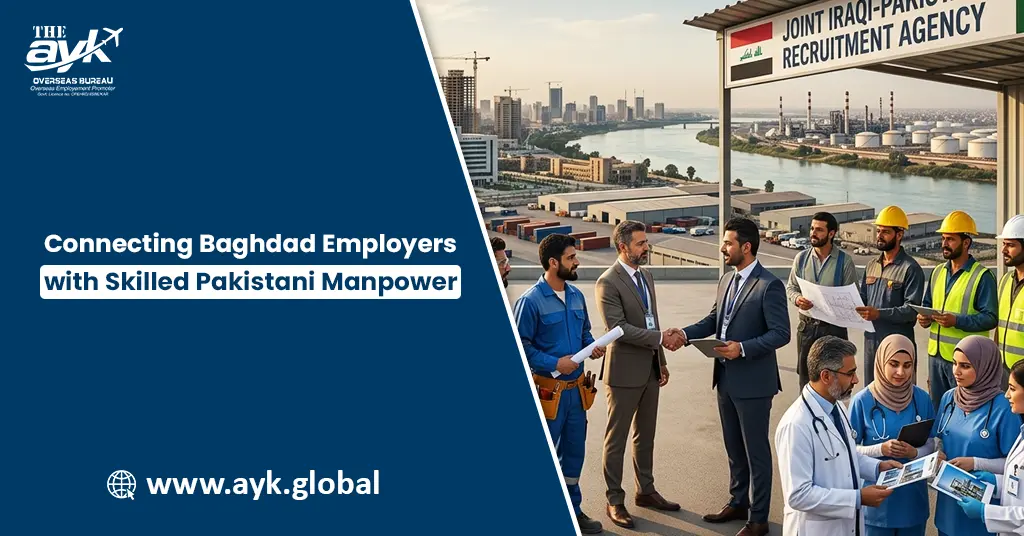 Connecting Baghdad Employers with Skilled Pakistani Manpower
 Common Mistakes to Avoid When Applying for GCC Jobs
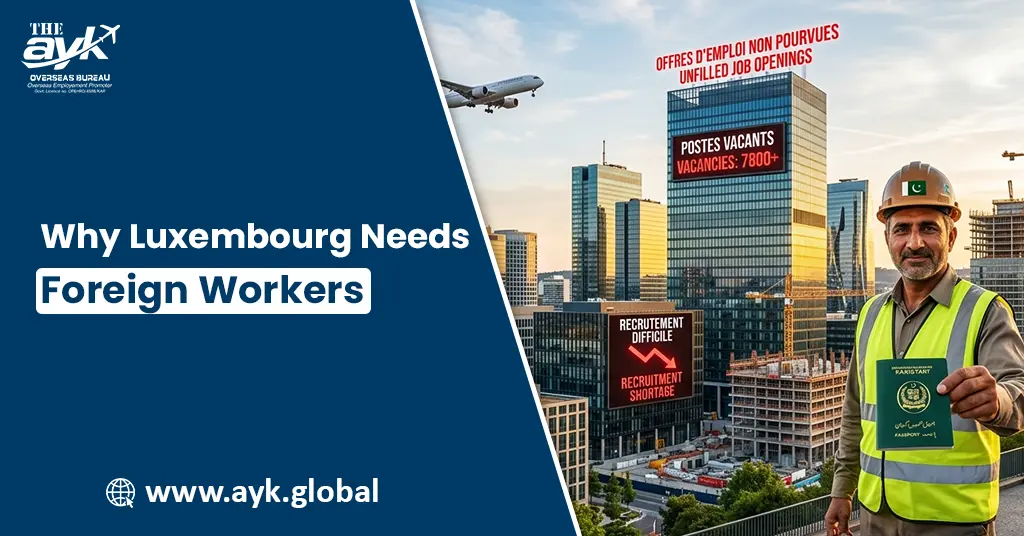 Why Luxembourg Needs Foreign Workers
 KSA Recruitment
 UAE Recruitment
 Qatar Recruitment
 Oman Recruitment
 Kuwait Recruitment
 Libya Recruitment
 Bahrain Recruitment
 Iraq Recruitment
 Malaysia Recruitment
 Malta Recruitment
 Canada Recruitment
 USA Recruitment
 Europe Recruitment
 UK Recruitment
 Romania Recruitment
 Poland Recruitment
 Bulgaria Recruitment
 Albania Recruitment
 Serbia Recruitment
 Lithuania Recruitment
 Japan Recruitment
 Turkey Recruitment
 Kyrgyzstan Recruitment
 South Korea Recruitment