Talent Acquisition Strategies That Help Businesses Grow Faster
Published: July 07, 2026 | Views: 5
Talent Acquisition Strategies That Help Businesses Grow Faster
Introduction
In today's highly competitive business environment, hiring the right people has become one of the biggest factors influencing long-term success. Companies that invest in effective talent acquisition strategies don't just fill vacancies—they build stronger teams that drive innovation, improve productivity, and contribute to sustainable growth. Modern recruitment goes beyond posting job advertisements and reviewing resumes. It involves understanding business objectives, identifying future workforce needs, enhancing employer branding, and creating an exceptional candidate experience. Organizations that prioritize strategic hiring gain a competitive advantage by attracting skilled professionals who align with their culture and long-term vision. Whether you're a startup looking to scale quickly or an established company aiming to strengthen your workforce, adopting the right talent acquisition strategies can significantly accelerate business growth.
1. Understanding Talent Acquisition Beyond Traditional Recruitment
Talent acquisition is much more than simply hiring employees when positions become vacant. It is a long-term strategic process focused on identifying, attracting, evaluating, and retaining individuals who can contribute to an organization's future success. Unlike traditional recruitment, which often addresses immediate hiring needs, talent acquisition aligns workforce planning with business objectives. Companies analyze market trends, anticipate future skill requirements, and develop proactive hiring strategies to ensure they always have access to qualified candidates. This approach reduces hiring gaps, strengthens organizational stability, and enables businesses to respond quickly to changing market demands. By treating talent acquisition as an ongoing business strategy rather than a reactive function, organizations build stronger teams capable of supporting continuous expansion and innovation.
2. Building a Strong Employer Brand to Attract Top Talent
Employer branding plays a critical role in attracting high-quality candidates in today's competitive job market. Job seekers increasingly research a company's culture, employee satisfaction, leadership style, and workplace environment before applying. Businesses that showcase their values, career development opportunities, diversity initiatives, and employee success stories establish credibility and trust among potential candidates. A positive employer reputation encourages talented professionals to choose one organization over another, even when salary offers are similar. Companies can strengthen their employer brand through engaging career pages, authentic employee testimonials, social media presence, and transparent communication throughout the hiring process. A compelling employer brand not only increases application quality but also reduces recruitment costs and improves long-term employee retention.
3. Creating a Strategic Workforce Planning Process
Effective talent acquisition begins with comprehensive workforce planning. Organizations must assess current staffing levels, identify future business goals, and forecast upcoming hiring needs before recruitment begins. Workforce planning involves analyzing employee turnover, retirement projections, business expansion plans, and emerging skill requirements. This proactive approach enables HR teams to prepare talent pipelines in advance instead of rushing to fill positions during critical periods. Strategic workforce planning also helps businesses allocate recruitment budgets efficiently, minimize productivity disruptions, and ensure every department has access to qualified professionals when needed. Companies that consistently evaluate workforce trends can adapt more effectively to industry changes and maintain a competitive advantage.
4. Leveraging Technology and AI in Talent Acquisition
Technology has transformed the recruitment landscape by making hiring faster, smarter, and more efficient. Modern applicant tracking systems (ATS), artificial intelligence, recruitment automation, and predictive analytics help HR teams identify suitable candidates with greater accuracy. AI-powered tools can screen resumes, match candidate skills with job requirements, schedule interviews, and reduce repetitive administrative tasks. Recruiters can then spend more time evaluating soft skills, conducting meaningful interviews, and building relationships with potential employees. Data-driven recruitment also improves hiring decisions by identifying trends, measuring recruitment performance, and reducing unconscious bias. Businesses that integrate technology into their talent acquisition strategy often experience shorter hiring cycles, lower recruitment costs, and better employee quality.
5. Enhancing Candidate Experience Throughout the Hiring Journey
Candidate experience significantly influences an organization's ability to attract and secure top talent. Every interaction, from the initial job advertisement to the final interview and onboarding process, shapes a candidate's perception of the company. A streamlined application process, timely communication, transparent interview timelines, and respectful feedback create a positive impression that encourages candidates to accept job offers and recommend the organization to others. Even unsuccessful applicants can become future candidates or loyal customers when treated professionally. Businesses that prioritize candidate experience strengthen their employer reputation, improve offer acceptance rates, and develop long-lasting relationships with talented professionals for future hiring needs.
6. Using Data-Driven Recruitment to Make Better Hiring Decisions
Successful businesses no longer rely solely on intuition when hiring new employees. Instead, they use data-driven recruitment strategies to improve hiring accuracy and efficiency. By tracking important recruitment metrics such as time-to-hire, cost-per-hire, source of hire, candidate quality, employee retention, and interview success rates, organizations gain valuable insights into the effectiveness of their hiring process. These analytics help HR teams identify bottlenecks, optimize recruitment campaigns, and allocate budgets more effectively. Data also reveals which recruitment channels consistently produce high-performing employees, allowing businesses to focus their efforts where they generate the best results. Companies that make hiring decisions based on measurable evidence reduce costly hiring mistakes, improve workforce quality, and build stronger teams that contribute directly to business growth.
7. Developing a Strong Talent Pipeline for Future Growth
One of the most effective talent acquisition strategies is building a continuous talent pipeline instead of recruiting only when positions become available. A talent pipeline consists of qualified candidates who have already shown interest in the organization or possess skills that may be valuable in the future. Businesses can develop these relationships through networking events, university partnerships, internship programs, employee referrals, professional communities, and social media engagement. Maintaining regular communication with potential candidates ensures organizations can fill vacancies more quickly when opportunities arise. This proactive approach minimizes recruitment delays, reduces hiring costs, and provides businesses with access to highly qualified professionals before competitors have the chance to recruit them. A well-maintained talent pipeline creates long-term hiring stability and supports sustainable organizational expansion.
8. Prioritizing Diversity and Inclusion in Hiring
Diversity and inclusion have become essential components of successful talent acquisition strategies. Organizations that recruit individuals from different backgrounds, experiences, cultures, and perspectives benefit from greater creativity, stronger problem-solving capabilities, and improved innovation. Inclusive hiring practices also enhance employee engagement and create workplaces where everyone feels respected and valued. Businesses can support diversity by writing inclusive job descriptions, using structured interview processes, expanding recruitment sources, and minimizing unconscious bias during candidate evaluations. A diverse workforce enables companies to better understand customer needs, adapt to global markets, and strengthen their organizational culture. Investing in diversity not only supports social responsibility but also contributes to stronger business performance and long-term growth.
9. Investing in Employee Retention After Successful Hiring
Talent acquisition does not end when a candidate accepts a job offer. Long-term business success depends on retaining skilled employees and providing opportunities for continuous development. Organizations that invest in onboarding, mentorship programs, career advancement, professional training, competitive compensation, and employee well-being create an environment where individuals remain motivated and committed. High employee retention reduces recruitment expenses, preserves organizational knowledge, and strengthens team collaboration. Employees who feel appreciated are more likely to deliver exceptional performance, contribute innovative ideas, and promote the company as an excellent workplace. Businesses that combine effective hiring with strong retention strategies build a stable workforce capable of supporting sustained growth and competitive success.
10. Continuously Improving Talent Acquisition Strategies
The job market continues to evolve due to technological advancements, changing workforce expectations, and economic conditions. As a result, businesses must regularly review and improve their talent acquisition strategies to remain competitive. Continuous improvement involves gathering feedback from candidates and hiring managers, analyzing recruitment performance metrics, monitoring industry trends, and adopting innovative hiring practices when appropriate. Organizations that embrace flexibility can quickly adapt to changing skill requirements and emerging workforce challenges. Regular evaluation ensures recruitment processes remain efficient, candidate-focused, and aligned with business objectives. Companies that consistently refine their hiring strategies position themselves for long-term success by attracting exceptional talent capable of driving innovation, productivity, and business expansion.
Conclusion
Talent acquisition has evolved into a strategic business function that directly influences organizational growth, competitiveness, and long-term success. Companies that focus on employer branding, workforce planning, technology, candidate experience, diversity, data-driven hiring, and employee retention build stronger teams capable of achieving ambitious business objectives. Rather than treating hiring as a short-term necessity, successful organizations view talent acquisition as an ongoing investment in their future. By continuously refining recruitment strategies and adapting to changing workforce trends, businesses can attract exceptional professionals who drive innovation, increase productivity, and support sustainable growth for years to come.
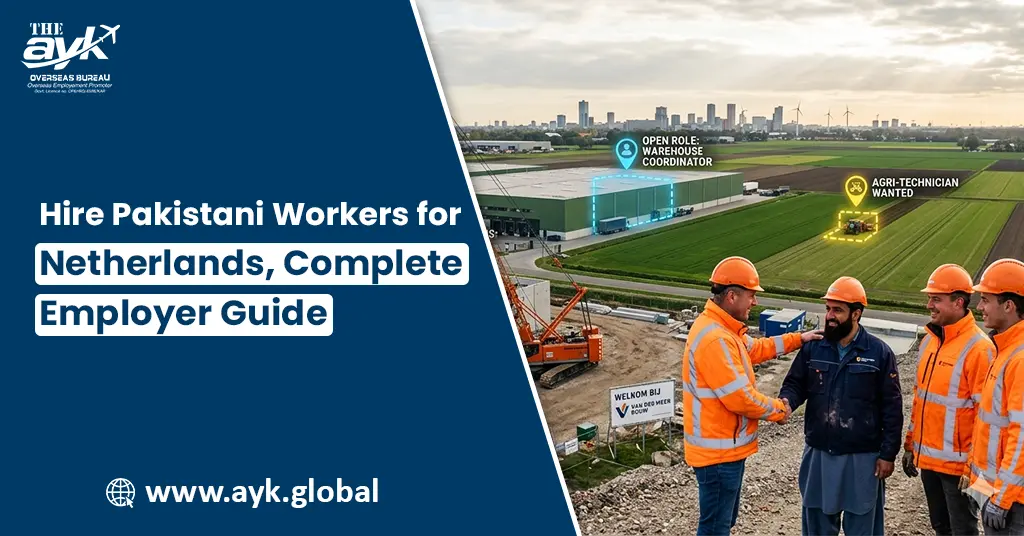 Hire Pakistani Workers for Netherlands, Complete Employer Guide
 Top 10 In-Demand Jobs in Schengen Countries for Foreign Workers in 2026
 KSA Recruitment
 UAE Recruitment
 Qatar Recruitment
 Oman Recruitment
 Kuwait Recruitment
 Libya Recruitment
 Bahrain Recruitment
 Iraq Recruitment
 Malaysia Recruitment
 Malta Recruitment
 Canada Recruitment
 USA Recruitment
 Europe Recruitment
 UK Recruitment
 Romania Recruitment
 Poland Recruitment
 Bulgaria Recruitment
 Albania Recruitment
 Serbia Recruitment
 Lithuania Recruitment
 Japan Recruitment
 Turkey Recruitment
 Kyrgyzstan Recruitment
 South Korea Recruitment