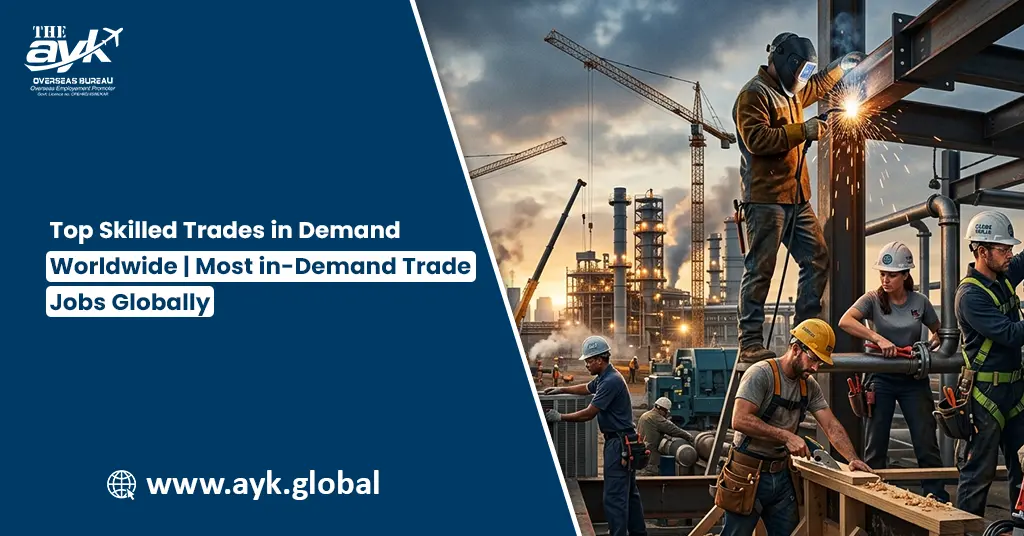
Top Skilled Trades in Demand Worldwide
Published: June 24, 2026 | Views: 78
The global labor market is experiencing significant changes as industries expand, infrastructure projects increase, technological advancements accelerate, and workforce shortages continue affecting employers across multiple sectors. While many businesses focus on professional and management roles, skilled trades remain the foundation of economic growth and operational success.
Construction projects, industrial facilities, healthcare systems, logistics operations, manufacturing plants, transportation networks, hospitality businesses, and energy projects all depend on skilled workers. These employees perform critical tasks that keep economies functioning and organizations productive.
Demand for skilled trades continues increasing worldwide because many countries face aging workforces, labor shortages, and rising infrastructure investment. Employers often struggle to recruit qualified workers with the technical expertise required to support operational requirements. As a result, competition for skilled manpower has become more intense than ever before.
Understanding which trades are most in demand helps employers develop effective recruitment strategies and workforce plans. Organizations that anticipate workforce needs and secure qualified workers early are generally better positioned to maintain productivity and achieve growth objectives.
This guide explores the top skilled trades in demand worldwide and explains why these workforce categories remain essential for employers across industries.
1. Electricians Remain Among the Most In-Demand Workers
Electricians continue to rank among the most sought-after skilled trades worldwide. Rapid urbanization, infrastructure expansion, industrial development, renewable energy projects, commercial construction, and residential growth have significantly increased demand for electrical professionals.
Modern electrical systems are becoming increasingly complex. Employers require electricians who understand installation, maintenance, troubleshooting, automation systems, industrial controls, and safety compliance. Skilled electrical workers contribute directly to operational efficiency and project success.
Labor shortages have affected electrical trades in many countries, making recruitment more competitive. Employers often face challenges securing experienced electricians for construction projects, manufacturing facilities, power plants, and infrastructure developments.
Organizations that build strong electrician recruitment pipelines generally experience stronger workforce stability and project readiness.
Why Electricians Are in Demand
Infrastructure development requires electrical expertise.
Renewable energy projects increase workforce demand.
Labor shortages affect global electrician availability.
2. Welders Continue Supporting Global Industrial Growth
Welding remains one of the most important skilled trades worldwide. Construction projects, manufacturing operations, oil and gas facilities, shipbuilding, heavy industry, transportation infrastructure, and industrial fabrication all depend on qualified welders.
Skilled welders perform specialized tasks that directly influence structural integrity, equipment performance, and operational safety. Employers seek workers with expertise in different welding techniques, materials, and industry standards.
The global demand for welders continues increasing because industrial expansion and infrastructure investment remain strong. At the same time, many experienced welders are approaching retirement age, creating workforce shortages in multiple regions.
Organizations that recruit and retain qualified welders often gain significant advantages in project execution and operational reliability.
Welding Workforce Demand
Industrial growth increases welding requirements.
Experienced welders remain difficult to recruit.
Workforce shortages affect multiple industries.
3. Plumbers Play a Critical Role in Infrastructure Development
Plumbers are essential for residential, commercial, industrial, and infrastructure projects. Water systems, sanitation networks, drainage systems, gas installations, and utility services all require skilled plumbing professionals.
Population growth and urban development continue driving demand for plumbing expertise. Employers require qualified workers capable of installing, maintaining, and repairing increasingly sophisticated systems.
Many regions face shortages of experienced plumbers because workforce demand exceeds available talent. This challenge is particularly significant in rapidly developing economies where infrastructure investment remains high.
Employers that prioritize plumbing recruitment improve workforce readiness and reduce project risks associated with labor shortages.
Plumbing Workforce Needs
Urbanization drives plumbing demand.
Infrastructure projects require skilled professionals.
Plumbing shortages affect construction industries.
4. HVAC Technicians Are Essential for Modern Buildings
Heating, ventilation, and air conditioning systems have become standard components of residential, commercial, industrial, healthcare, and hospitality facilities. As a result, HVAC technicians remain among the most in-demand trades worldwide.
Employers require HVAC professionals capable of installing, maintaining, troubleshooting, and repairing climate control systems. Energy efficiency initiatives and sustainability requirements have further increased demand for specialized HVAC expertise.
The growth of smart buildings and advanced environmental systems continues creating new opportunities for HVAC technicians. Workforce demand is expected to remain strong for the foreseeable future.
Organizations that recruit qualified HVAC professionals often improve operational performance and customer satisfaction while supporting facility efficiency goals.
HVAC Demand Drivers
Modern facilities require advanced climate systems.
Energy efficiency initiatives increase workforce demand.
HVAC skills remain highly valuable globally.
5. Construction Equipment Operators Are Increasingly Important
Construction projects rely heavily on heavy equipment operators. Excavators, bulldozers, cranes, loaders, graders, forklifts, and other machinery play critical roles in project execution.
Employers require operators who can use equipment safely, efficiently, and productively. Experienced operators contribute significantly to project timelines, safety performance, and operational efficiency.
Infrastructure development, transportation projects, industrial expansion, and large-scale construction initiatives continue driving demand for equipment operators worldwide. Workforce shortages remain common because operating heavy machinery requires specialized skills and certifications.
Organizations that secure qualified operators early often experience stronger project performance and reduced workforce risks.
Equipment Operator Demand
Large projects depend on heavy machinery.
Qualified operators improve productivity.
Global construction growth supports workforce demand.
6. Industrial Technicians Support Manufacturing Growth
Manufacturing facilities increasingly depend on skilled industrial technicians who maintain machinery, troubleshoot equipment, support automation systems, and ensure production continuity.
Industrial technicians play a critical role in minimizing downtime and improving operational efficiency. Employers seek workers with expertise in mechanical systems, electrical systems, automation technologies, and industrial maintenance.
As manufacturing becomes more technologically advanced, workforce requirements continue evolving. Skilled technicians who understand modern production systems are becoming increasingly valuable.
Organizations that invest in technician recruitment improve workforce reliability and support long-term manufacturing performance.
Industrial Technician Benefits
Manufacturing depends on technical expertise.
Maintenance supports operational continuity.
Advanced facilities require skilled technicians.
7. Carpenters Continue Supporting Global Construction Growth
Carpenters remain one of the most important skilled trades in the global construction industry. Residential housing projects, commercial developments, industrial facilities, hotels, hospitals, educational institutions, and infrastructure projects all require experienced carpentry professionals. Their expertise is essential during multiple phases of construction, from structural frameworks to interior finishing works.
Modern carpenters perform far more than traditional woodworking tasks. Today's projects require workers who can interpret technical drawings, install advanced construction materials, build formwork systems, complete finishing work, and support specialized construction activities. As construction methods evolve, employers increasingly seek carpenters who possess both traditional craftsmanship and modern technical skills.
Many countries are experiencing shortages of qualified carpenters because demand continues increasing while experienced workers retire from the workforce. Large-scale development programs in the GCC, Europe, Asia, and North America are creating significant recruitment challenges for employers. Companies often compete aggressively to secure experienced carpentry professionals capable of supporting project schedules.
Organizations that establish strong carpenter recruitment strategies are generally better positioned to maintain workforce stability and complete projects efficiently. Skilled carpenters contribute directly to construction quality, productivity, and overall project success.
Carpenter Workforce Demand
Commercial and residential projects require carpenters.
Modern construction increases skill requirements.
Labor shortages affect workforce availability globally.
8. Steel Fixers Remain Critical for Infrastructure Projects
Steel fixers play a vital role in construction and infrastructure development worldwide. Reinforced concrete structures depend on steel reinforcement systems that provide strength, durability, and long-term structural integrity. Bridges, highways, tunnels, airports, industrial facilities, commercial towers, and residential developments all require skilled steel fixing professionals.
The quality of steel fixing work directly influences structural performance and safety. Employers therefore seek workers who possess experience reading reinforcement drawings, assembling steel frameworks, positioning reinforcement accurately, and complying with construction standards.
As governments continue investing in infrastructure projects and urban development initiatives, demand for steel fixers remains strong. Labor shortages in many regions have increased recruitment competition and made workforce planning more important than ever.
Employers that recruit qualified steel fixers early often experience smoother project execution and reduced workforce risks. Skilled reinforcement specialists contribute significantly to successful construction outcomes.
Steel Fixer Demand
Infrastructure projects require reinforcement expertise.
Workforce quality affects structural performance.
Global construction growth increases demand.
9. Nurses and Healthcare Workers Are in High Demand Worldwide
Healthcare remains one of the fastest-growing sectors globally. Population growth, aging demographics, healthcare expansion, and increasing patient expectations have created significant demand for nurses and healthcare professionals.
Hospitals, clinics, rehabilitation centers, long-term care facilities, home healthcare providers, and medical organizations all require qualified healthcare workers. Nurses play a particularly important role because they provide direct patient care and support healthcare operations across multiple specialties.
Many countries face severe nursing shortages. Healthcare organizations frequently struggle to recruit sufficient workforce resources to meet patient demand. International recruitment has therefore become a key workforce strategy for hospitals and healthcare providers worldwide.
Employers that develop strong healthcare recruitment strategies improve workforce availability and service quality. Qualified nurses and healthcare professionals remain among the most sought-after workers globally.
Healthcare Workforce Demand
Healthcare expansion increases staffing needs.
Nursing shortages affect multiple countries.
Global recruitment supports workforce stability.
10. Drivers and Logistics Professionals Support Global Supply Chains
The logistics and transportation industry has become increasingly important as global trade continues expanding. Supply chains depend on skilled drivers, warehouse personnel, transportation coordinators, delivery professionals, and logistics specialists to ensure goods move efficiently between locations.
Commercial drivers remain particularly important because transportation networks rely heavily on workforce availability. Employers require qualified truck drivers, heavy vehicle operators, delivery personnel, forklift operators, and logistics support staff capable of maintaining operational efficiency.
E-commerce growth, industrial expansion, retail development, and international trade continue driving workforce demand within logistics sectors. Many employers face challenges recruiting experienced transportation professionals due to workforce shortages and increasing demand.
Organizations that prioritize logistics workforce planning are generally better prepared to maintain supply chain performance and meet customer expectations.
Logistics Workforce Importance
Supply chains depend on transportation professionals.
Driver shortages affect operational performance.
Global trade increases workforce demand.
11. Scaffolders and Construction Specialists Remain Essential
Scaffolders provide critical support for construction projects by creating safe working platforms for employees operating at heights. Commercial towers, industrial facilities, infrastructure projects, maintenance operations, and large construction developments all depend on skilled scaffolding professionals.
Workforce quality is particularly important within scaffolding because safety standards must be maintained consistently. Employers seek workers who understand scaffolding systems, safety regulations, load calculations, and installation procedures.
Demand for scaffolders continues increasing due to ongoing infrastructure development and construction activity worldwide. Labor shortages remain common because scaffolding requires specialized training and experience.
Construction employers that secure qualified scaffolders improve workforce readiness and maintain safer project environments. Skilled construction specialists contribute significantly to productivity and project success.
Scaffolding Workforce Demand
Construction projects require safe access systems.
Skilled scaffolders improve safety performance.
Global development supports workforce demand.
12. Why Employers Need Global Recruitment Partners
As labor shortages continue affecting industries worldwide, employers increasingly require recruitment partners capable of providing access to international talent. Skilled workforce demand often exceeds local labor market availability, making global recruitment strategies essential.
Professional recruitment agencies help employers source qualified workers across multiple industries and workforce categories. Their expertise simplifies candidate sourcing, qualification verification, trade testing coordination, compliance management, documentation processing, workforce mobilization, and deployment activities.
Global recruitment partnerships improve workforce flexibility and help organizations address staffing challenges more effectively. Employers gain access to broader talent pools and stronger workforce pipelines that support long-term business objectives.
AYK Overseas Recruitment & HR Manpower Agency
License No. GL-4586-KAR
supports employers through skilled manpower recruitment, international sourcing, workforce planning, candidate screening, trade testing assistance, documentation management, compliance support, and workforce deployment solutions. The agency helps organizations recruit qualified workers across construction, healthcare, logistics, manufacturing, hospitality, facilities management, engineering, transportation, and industrial sectors.
Workforce Partnership Benefits
Global recruitment expands talent access.
Professional sourcing improves workforce quality.
International hiring supports business growth.
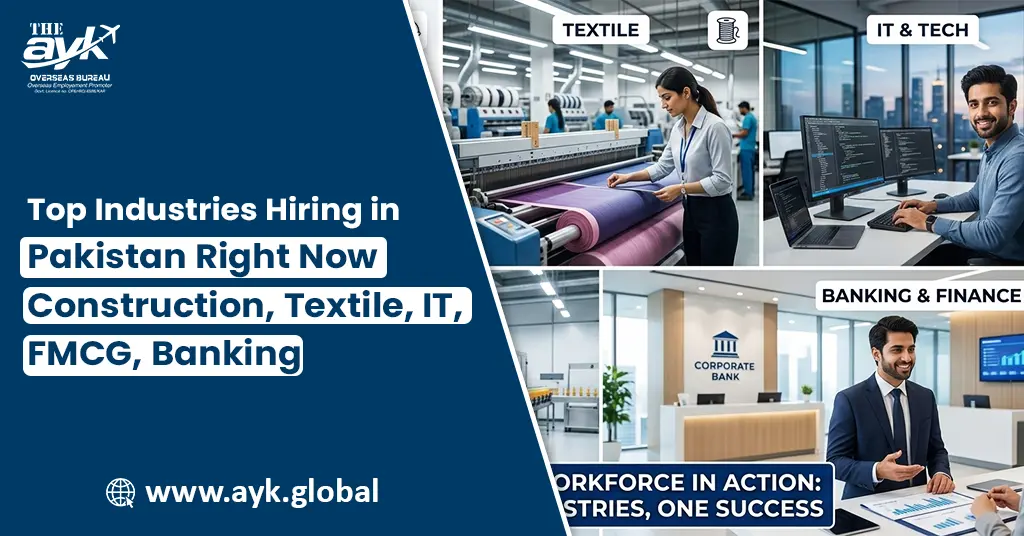 Top Industries Hiring in Pakistan Right Now
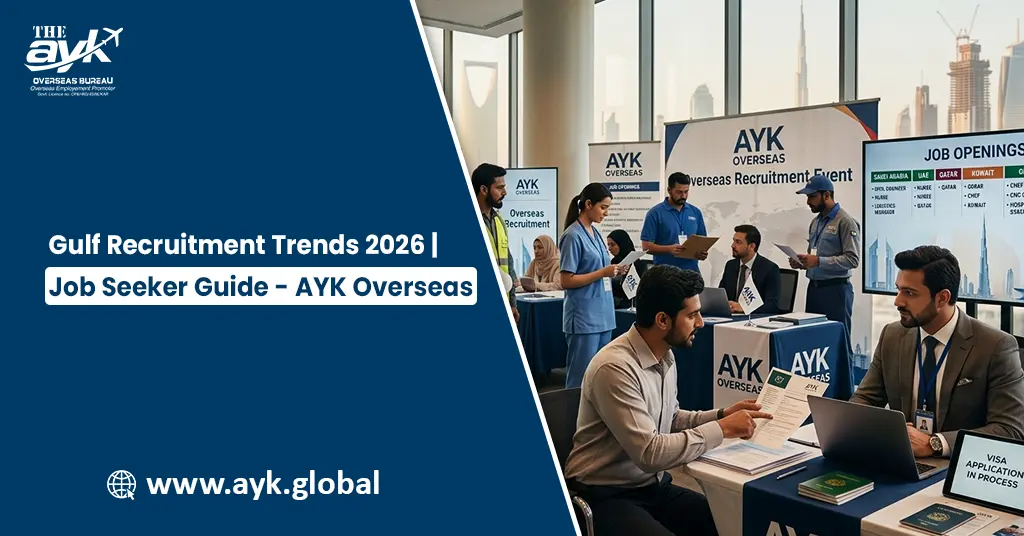 Gulf Recruitment Trends 2026: What Job Seekers Need to Know
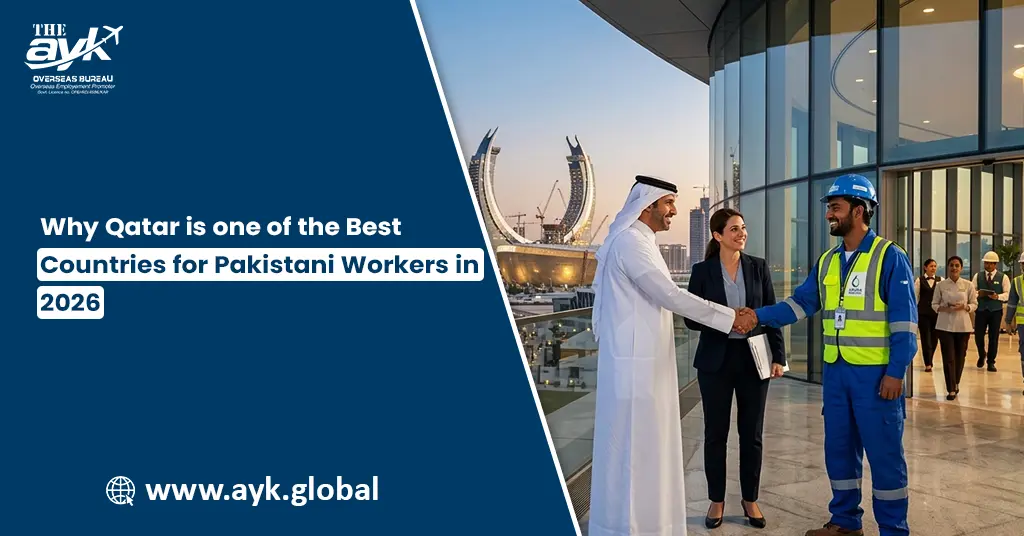 Why Qatar is One of the Best Countries for Pakistani Workers in 2026
 KSA Recruitment
 UAE Recruitment
 Qatar Recruitment
 Oman Recruitment
 Kuwait Recruitment
 Libya Recruitment
 Bahrain Recruitment
 Iraq Recruitment
 Malaysia Recruitment
 Malta Recruitment
 Canada Recruitment
 USA Recruitment
 Europe Recruitment
 UK Recruitment
 Romania Recruitment
 Poland Recruitment
 Bulgaria Recruitment
 Albania Recruitment
 Serbia Recruitment
 Lithuania Recruitment
 Japan Recruitment
 Turkey Recruitment
 Kyrgyzstan Recruitment
 South Korea Recruitment