Understanding Trade Tests and Skill Verification for International Jobs (Complete 3000+ Word Guide)
If you are planning to work abroad as an electrician, plumber, welder, HVAC technician, mechanic, carpenter, nurse, or any skilled worker, then trade tests and skill verification are extremely important steps in your journey.
Many countries like United Arab Emirates, Saudi Arabia, Qatar, Australia, Canada, and Germany require proper skill verification or trade testing before giving a work visa.
In this detailed guide, you will learn:
• What is a Trade Test?
• What is Skill Verification?
• Why Trade Tests Are Important for International Jobs
• Countries That Require Trade Tests
• Step-by-Step Process
• Required Documents
• Fees and Costs
• How to Prepare
• Common Mistakes to Avoid
• FAQs
• Final Tips for Success
Let’s start from the basics.
What is a Trade Test?
A Trade Test is a practical and theoretical examination conducted to verify whether a worker truly possesses the skills mentioned in their resume.
For example:
• Electrician → Wiring board test
• Welder → Welding joint test
• Plumber → Pipe fitting practical
• Mechanic → Engine troubleshooting test
• Mason → Brick alignment and plastering test
The employer or an authorized testing center checks:
• Technical skills
• Practical knowledge
• Safety standards
• Tool handling
• Work efficiency
If you pass the test, you receive a Trade Certificate which is required for visa processing.
What is Skill Verification?
Skill verification is a formal process where your:
• Experience certificates
• Educational qualifications
• Trade licenses
• Work experience
are evaluated by a recognized authority.
In some countries, skill verification is conducted by government-approved bodies before visa approval.
For example:
• Australia uses Trades Recognition Australia
• Canada evaluates through Immigration, Refugees and Citizenship Canada
• Gulf countries often use local testing centers approved by ministries
Why Trade Tests Are Important for International Jobs
1. Prevent Fake Experience
Many candidates submit fake experience letters. Trade tests ensure only skilled workers are selected.
2. Safety Standards
Countries like Germany and Australia follow strict safety codes.
3. Employer Trust
Employers feel confident hiring verified workers.
4. Visa Approval
Without skill verification, many work visas get rejected.
Countries That Require Trade Tests and Skill Verification
1. Gulf Countries
UAE, Saudi Arabia, Qatar, Oman, Kuwait
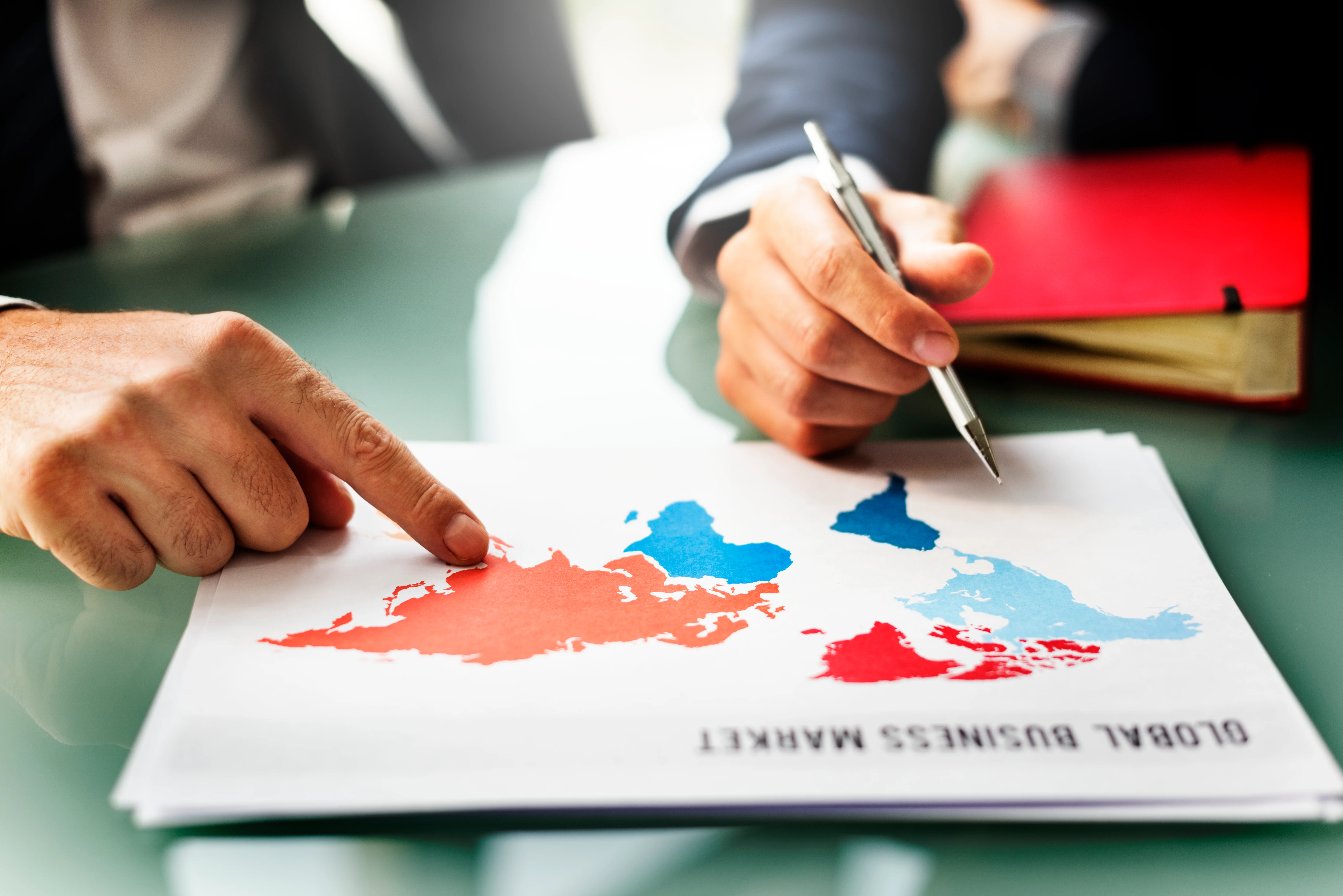


These countries often conduct:
• Practical trade tests
• Interview-based skill evaluation
• Medical fitness test
• Employer-based assessment
Some tests are done before departure; others are conducted after arrival.
2. Australia


Australia requires formal skill assessment through:
• Trades Recognition Australia
• VETASSESS (for some occupations)
Process includes:
• Document verification
• Practical assessment
• Technical interview
3. Canada


Canada requires:
• Provincial trade certification
• Red Seal certification (for many trades)
• Assessment via Immigration, Refugees and Citizenship Canada
4. Germany


Germany requires:
• Qualification recognition
• German language (usually A2–B1 level)
• Skill verification through chambers of commerce
Step-by-Step Trade Test Process
Step 1: Job Offer or Demand Letter
You receive a job offer from an overseas employer.
Step 2: Document Submission
You submit:
• Passport
• Experience letters
• Educational certificates
• Trade license (if any)
Step 3: Trade Test Scheduling
Recruitment agency or employer schedules trade test.
Step 4: Practical Test
Hands-on skill demonstration.
Step 5: Interview Round
Technical questions.
Step 6: Result & Certification
If passed, certificate issued.
Step 7: Visa Processing
Documents Required for Skill Verification
• Valid Passport
• Trade Certificate (if available)
• Experience Letters
• Company ID Proof (previous employer)
• Salary Slips
• Photographs
• Updated Resume
For countries like Australia and Germany, documents may need translation and notarization.
Trade Test Fees and Cost
Country – Approx Cost
UAE – $100 – $300
Saudi Arabia – $150 – $400
Australia – $1000+
Canada – $500 – $1500
Germany – €400 – €800
Additional costs:
• Medical test
• Visa fee
• Agency service charges
• Document translation
How to Prepare for Trade Tests
1. Practice Practical Skills
Daily hands-on practice improves confidence.
2. Study Safety Standards
International safety standards are strict.
3. Learn Basic English
Most interviews are in English.
4. Watch Practical Demonstration Videos
Observe real-world job tasks.
5. Improve Tool Knowledge
Know international tool names and usage.
Common Trade Test Questions
Electrician
• What is Ohm’s Law?
• How to connect 3-phase wiring?
Plumber
• How to install PVC pipe?
• How to fix leakage?
Welder
• Types of welding?
• Difference between MIG and TIG?
Common Reasons for Trade Test Failure
1. Lack of Practical Experience
2. Nervousness
3. Poor Tool Handling
4. No Knowledge of Safety
5. Fake Experience
Benefits of Passing Trade Test
• Higher Salary
• Fast Visa Processing
• Employer Trust
• Long-Term Career Growth
• Legal Work Security
Difference Between Trade Test and Skill Assessment
Trade Test
Practical Test
Done by Employer
Short Duration
Immediate Result
Skill Assessment
Document-based evaluation
Done by Government Body
Long Process
Takes Weeks
High-Demand Trades for International Jobs
• Electrician
• Plumber
• Welder
• HVAC Technician
• Heavy Equipment Operator
• Mason
• Carpenter
• Auto Mechanic
• Nurse
• CNC Operator
Countries like Canada and Australia have high demand for skilled trades.
Tips to Pass Trade Test on First Attempt
• Reach early
• Carry original tools (if allowed)
• Be confident
• Follow safety rules
• Do not argue with examiner
• Answer clearly
Frequently Asked Questions (FAQs)
Final Words
Trade tests and skill verification are not obstacles — they are opportunities.
They ensure that:
• Only skilled workers go abroad
• Workers get better salary
• Employers trust foreign workers
• Visa rejection chances reduce
If you prepare properly, focus on practical skills, and follow legal procedures, you can successfully clear trade tests and build a stable international career.
Conclusion
Understanding trade tests and skill verification for international jobs is essential for every skilled worker planning to work abroad.
Whether you want to go to United Arab Emirates, Australia, Canada, or Germany, proper preparation and genuine skills are the keys to success.
If you focus on:
• Skill improvement
• Legal documentation
• Proper verification
• Safety knowledge
You can easily achieve your dream of working internationally.