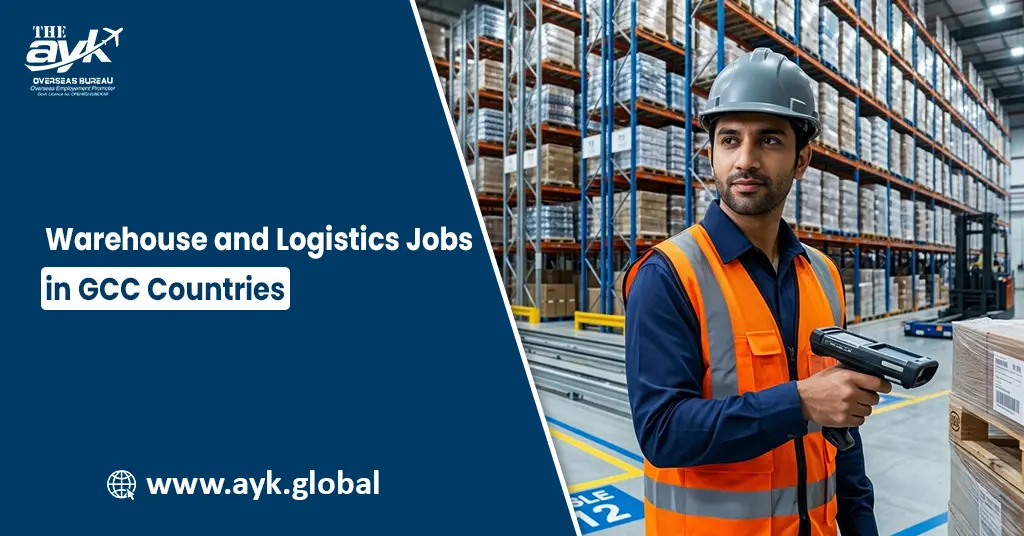
Warehouse and Logistics Jobs in GCC Countries
Published: July 02, 2026 | Views: 11
Introduction
Warehouse and logistics jobs in GCC countries are among the fastest-growing employment sectors for Pakistani workers in 2026. With the rapid expansion of e-commerce, international trade, retail chains, construction supply networks, and industrial distribution systems, countries like Saudi Arabia, United Arab Emirates (UAE), Qatar, Kuwait, Oman, and Bahrain are heavily investing in modern logistics infrastructure. This includes large warehouses, smart distribution centers, cargo handling facilities, and automated supply chain systems that require a large workforce to operate efficiently.
For Pakistani job seekers, warehouse and logistics jobs are highly attractive because they offer stable employment, relatively easy entry requirements, and consistent demand across all GCC countries. These jobs include roles in loading, unloading, inventory management, packaging, forklift operations, and delivery coordination. Many employers also provide benefits such as free accommodation, transportation, overtime pay, and medical insurance. However, the work is physically demanding and often involves shift-based schedules, especially in large distribution centers and 24/7 logistics operations.
1. Types of Warehouse and Logistics Jobs in GCC
Warehouse and logistics jobs in GCC countries cover a wide variety of roles depending on the industry and scale of operations. The most common positions include warehouse helpers, loaders, packers, inventory controllers, forklift operators, logistics coordinators, and delivery assistants. Each role plays a critical part in ensuring smooth movement, storage, and distribution of goods across supply chains. Warehouse helpers are responsible for basic tasks such as loading and unloading goods, while packers ensure products are properly packed and labeled for shipment.
In more advanced logistics operations, inventory controllers manage stock levels and maintain accurate records of goods entering and leaving warehouses. Forklift operators handle heavy materials using industrial machinery, while logistics coordinators manage transportation schedules and supply chain operations. With the rise of e-commerce in GCC countries, delivery assistants and last-mile logistics workers are also in high demand, especially in cities like Dubai, Riyadh, and Doha where online shopping is growing rapidly.
2. Salary Structure in Warehouse and Logistics Jobs
Salaries in warehouse and logistics jobs in GCC countries vary depending on job role, experience, and country. Entry-level workers such as loaders and packers usually earn basic monthly salaries, while skilled forklift operators and logistics coordinators earn higher wages due to their technical responsibilities. Countries like UAE and Saudi Arabia generally offer better salary packages due to larger industrial zones and advanced logistics infrastructure.
In addition to base salary, many employers provide overtime opportunities, which significantly increase monthly income. Workers often receive free accommodation, transportation, and sometimes meals, which helps reduce living expenses and increase savings. Some companies also offer performance-based bonuses, annual increments, and end-of-service benefits. While these jobs may not be as high-paying as engineering or IT roles, they provide stable income and long-term employment security for many Pakistani workers.
3. Requirements for Warehouse Jobs in GCC
The requirements for warehouse and logistics jobs in GCC countries are generally simple and accessible, making them suitable for a large number of Pakistani workers. Most entry-level positions do not require higher education, but basic literacy, physical fitness, and the ability to perform manual tasks are essential. Workers must be capable of lifting goods, standing for long hours, and working in fast-paced environments.
For skilled positions such as forklift operators or inventory controllers, prior experience and technical training are often required. Some employers also prefer candidates with basic English communication skills to understand instructions and safety guidelines. Age requirements usually range from 21 to 45 years depending on job type. In addition, candidates must pass medical tests to ensure they are physically fit for warehouse work, which often involves repetitive and physically demanding tasks.
4. Skills Required for Logistics Careers
Warehouse and logistics jobs require a combination of physical ability, discipline, and organizational skills. Workers must be able to handle goods carefully, follow safety procedures, and work efficiently in team environments. Attention to detail is very important, especially in inventory management and packaging roles where accuracy is essential to avoid shipment errors.
Time management and teamwork are also critical skills in logistics operations because warehouses operate on strict schedules to ensure timely delivery of goods. For advanced roles such as logistics coordinators, problem-solving abilities, computer literacy, and knowledge of supply chain systems are highly valuable. Forklift operators must also have proper training and certification to safely operate industrial equipment in warehouse environments.
5. Job Opportunities in Different GCC Countries
Each GCC country offers strong opportunities in warehouse and logistics jobs depending on its economic structure. Saudi Arabia has the largest logistics sector due to its massive imports, exports, and industrial supply chains. UAE, especially Dubai, is a global logistics hub with advanced ports, airports, and e-commerce distribution centers offering thousands of jobs.
Qatar has growing logistics demand due to infrastructure projects and international trade activities. Kuwait provides stable warehouse jobs mainly in oil-related logistics and retail distribution. Oman focuses on port operations and regional trade logistics, while Bahrain offers smaller but consistent opportunities in retail warehousing and distribution services.
6. Career Growth and Future Scope
Warehouse and logistics jobs in GCC countries offer strong long-term career growth opportunities for hardworking individuals. Entry-level workers can progress to supervisory roles, inventory managers, or logistics coordinators with experience and performance. Skilled forklift operators can move into warehouse management or operations supervision roles over time.
The future scope of logistics jobs is very strong due to the rapid growth of e-commerce, automation, and global trade expansion in GCC countries. Modern warehouses are increasingly using digital systems and smart technologies, creating demand for workers who can adapt to new tools and processes. This makes logistics a stable and evolving career field with long-term potential.
Conclusion
Warehouse and logistics jobs in GCC countries provide excellent employment opportunities for Pakistani workers in 2026, especially for those seeking stable and accessible entry-level jobs. With the expansion of e-commerce, trade, and industrial supply chains across Saudi Arabia, UAE, Qatar, Kuwait, Oman, and Bahrain, demand for logistics workers continues to grow rapidly.
Although these jobs are physically demanding, they offer stable income, legal employment, and important benefits such as accommodation and overtime pay. Workers who gain experience and develop technical skills can build long-term careers in the GCC logistics sector.
 Hospitality Sector Jobs in Kuwait: What Employers Want
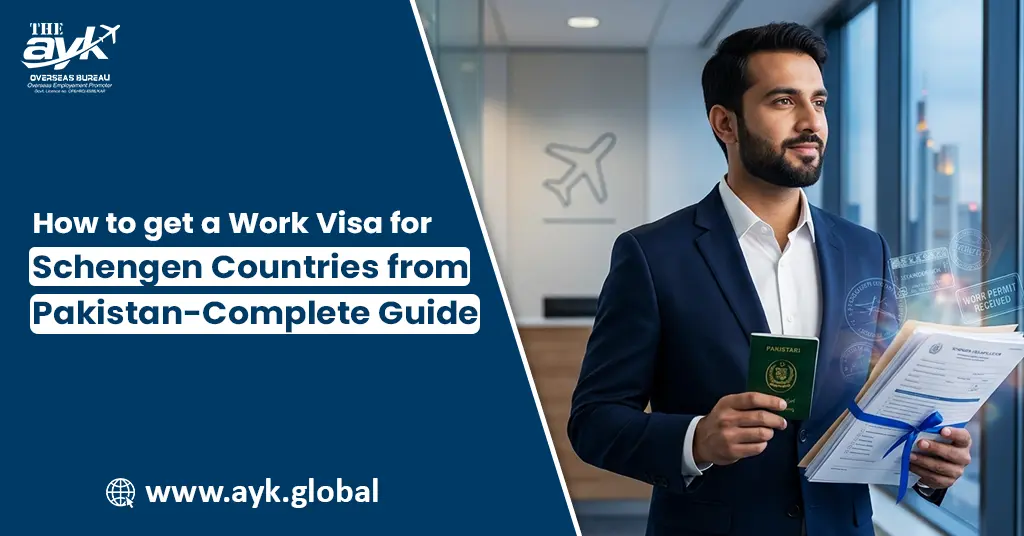 How to Get a Work Visa for Schengen Countries from Pakistan
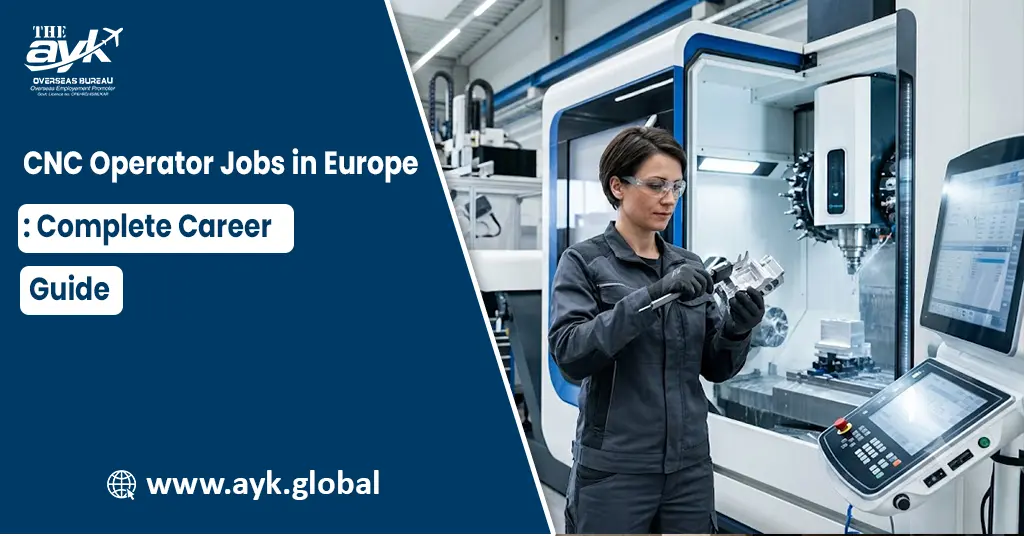 CNC Operator Jobs in Europe: Complete Career Guide
 KSA Recruitment
 UAE Recruitment
 Qatar Recruitment
 Oman Recruitment
 Kuwait Recruitment
 Libya Recruitment
 Bahrain Recruitment
 Iraq Recruitment
 Malaysia Recruitment
 Malta Recruitment
 Canada Recruitment
 USA Recruitment
 Europe Recruitment
 UK Recruitment
 Romania Recruitment
 Poland Recruitment
 Bulgaria Recruitment
 Albania Recruitment
 Serbia Recruitment
 Lithuania Recruitment
 Japan Recruitment
 Turkey Recruitment
 Kyrgyzstan Recruitment
 South Korea Recruitment