Why HR Technology Is Transforming Modern Recruitment
Published: July 07, 2026 | Views: 6
Introduction
The recruitment process has changed significantly with the advancement of technology. Traditional hiring methods that depended heavily on manual resume reviews, paperwork, and lengthy communication processes are being replaced by smarter digital solutions. HR technology is transforming modern recruitment by helping businesses find, evaluate, and hire talent more efficiently. From artificial intelligence-powered candidate screening to automated recruitment platforms, technology enables HR teams to make faster and more accurate hiring decisions. In today’s competitive job market, organizations need innovative recruitment solutions to attract top talent, improve candidate experiences, and build stronger teams. By adopting modern HR technology, businesses can streamline their hiring processes, reduce costs, and create a more effective recruitment strategy.
Automating the Recruitment Process
One of the biggest ways HR technology is transforming recruitment is through automation. Traditional recruitment processes often require HR professionals to spend significant time managing applications, scheduling interviews, sending emails, and updating candidate records. Modern HR technology automates these repetitive tasks, allowing recruiters to focus on more strategic activities. Applicant tracking systems, automated communication tools, and digital workflow solutions help manage the entire hiring process more efficiently. Automation reduces administrative workload, minimizes human errors, and speeds up the recruitment cycle. As a result, businesses can fill job positions faster while maintaining a more organized and effective hiring approach.
Improving Candidate Sourcing and Talent Discovery
Finding qualified candidates has become easier with advanced HR technology solutions that improve talent sourcing. Digital recruitment platforms, professional networks, and AI-based search tools help recruiters identify potential candidates from a much larger talent pool. Instead of relying only on traditional job advertisements, companies can now use technology to discover both active and passive candidates who may have the right skills and experience. These tools analyze candidate profiles, qualifications, and professional backgrounds to identify suitable matches. Improved sourcing capabilities allow businesses to connect with highly skilled professionals and increase their chances of hiring the right people.
Enhancing Candidate Screening and Selection
Candidate screening is one of the most time-consuming parts of recruitment, especially when companies receive hundreds of applications for a single position. HR technology helps simplify this process by using automated screening tools that evaluate resumes, skills, experience, and qualifications. Artificial intelligence-based recruitment systems can identify candidates who best match job requirements and help recruiters prioritize the most suitable applicants. This improves accuracy, reduces hiring time, and allows HR teams to focus on interviewing high-quality candidates. Technology-supported screening also helps create a more consistent and fair selection process.
Creating a Better Candidate Experience
Candidate experience has become an important factor in modern recruitment because job seekers expect smooth, transparent, and professional hiring processes. HR technology helps businesses improve communication, provide faster updates, and make applications easier for candidates. Online application systems, automated notifications, digital interview platforms, and candidate portals allow applicants to stay informed throughout the recruitment journey. A positive candidate experience improves employer reputation and increases the chances of attracting top talent. Companies that use technology to create a simple and engaging hiring process can stand out in a competitive employment market.
Using Data Analytics for Better Hiring Decisions
Data analytics has changed the way organizations make recruitment decisions by providing valuable insights into hiring performance and workforce trends. HR technology collects and analyzes recruitment data such as time-to-hire, candidate sources, employee performance, and hiring costs. These insights help HR professionals understand what strategies are working and where improvements are needed. Data-driven recruitment allows businesses to make more informed decisions instead of relying only on assumptions. By using analytics, companies can improve their hiring strategies, predict future workforce needs, and create more successful recruitment outcomes.
Supporting Remote Recruitment and Virtual Hiring
The growth of remote work has increased the need for digital recruitment solutions that allow businesses to hire talent from anywhere in the world. HR technology supports remote recruitment through video interviews, online assessments, digital onboarding platforms, and virtual communication tools. These solutions remove geographical limitations and help companies access a wider range of candidates. Virtual hiring also makes the recruitment process faster and more convenient for both employers and applicants. By adopting remote recruitment technology, organizations can build diverse teams and compete for talent in global markets.
Improving Recruitment Efficiency Through Artificial Intelligence
Artificial intelligence has become one of the most powerful technologies transforming modern recruitment. AI-powered HR tools help recruiters analyze candidate information, identify suitable talent, predict hiring success, and automate various recruitment activities. These systems can quickly review large volumes of applications and highlight candidates who match specific job requirements. AI also helps reduce repetitive tasks, allowing HR professionals to spend more time on strategic decision-making and candidate engagement. By using artificial intelligence, businesses can improve recruitment accuracy, reduce hiring delays, and create a smarter hiring process that supports long-term workforce goals.
Strengthening Employer Branding Through Digital Platforms
A strong employer brand is essential for attracting skilled professionals in today’s competitive job market. HR technology helps companies promote their workplace culture, career opportunities, employee benefits, and company values through digital platforms. Recruitment websites, social media channels, and online career portals allow businesses to connect with potential candidates and showcase why they are attractive employers. Technology also helps organizations collect candidate feedback and improve their recruitment reputation. A strong digital employer brand increases visibility, builds trust with job seekers, and helps companies attract higher-quality applicants.
Simplifying Employee Onboarding Processes
HR technology does not only improve recruitment; it also transforms the onboarding experience for new employees. Digital onboarding platforms allow businesses to complete documentation, training, policy sharing, and employee introductions more efficiently. New hires can access important information before their first day, making the transition smoother and more organized. Automated onboarding systems help HR teams save time while ensuring that every employee receives a consistent experience. A well-managed digital onboarding process improves employee satisfaction, increases engagement, and helps new team members become productive faster.
Enhancing Communication Between Recruiters and Candidates
Effective communication is a key part of successful recruitment, and HR technology helps businesses maintain better connections with candidates throughout the hiring process. Digital communication tools, automated emails, chat systems, and recruitment platforms allow recruiters to provide quick updates and respond to candidate questions efficiently. Improved communication creates transparency and builds a positive relationship between employers and applicants. Candidates who experience clear and timely communication are more likely to view the company positively, even if they are not selected for the position.
Reducing Recruitment Costs and Improving ROI
Recruitment technology helps businesses reduce hiring expenses by making processes faster, more organized, and more efficient. Automated systems reduce the need for excessive manual work, lower administrative costs, and improve the use of HR resources. Technology also helps companies identify the most effective recruitment channels by analyzing hiring data and performance results. By making smarter decisions, businesses can reduce unnecessary spending and achieve better returns on their recruitment investments. Efficient technology-driven hiring allows organizations to attract quality talent while maintaining cost-effective HR operations.
Preparing Recruitment for the Future
The future of recruitment will continue to be shaped by advanced HR technology, automation, artificial intelligence, and data-driven strategies. Businesses that adopt modern recruitment tools will be better prepared to compete for top talent and adapt to changing workforce demands. Future-focused HR technology will help organizations create more personalized candidate experiences, improve workforce planning, and make faster hiring decisions. Companies that embrace digital transformation in recruitment can build stronger teams, improve operational efficiency, and maintain a competitive advantage in the evolving employment market.
 Step-by-Step Overseas Recruitment Process: From CV to Visa
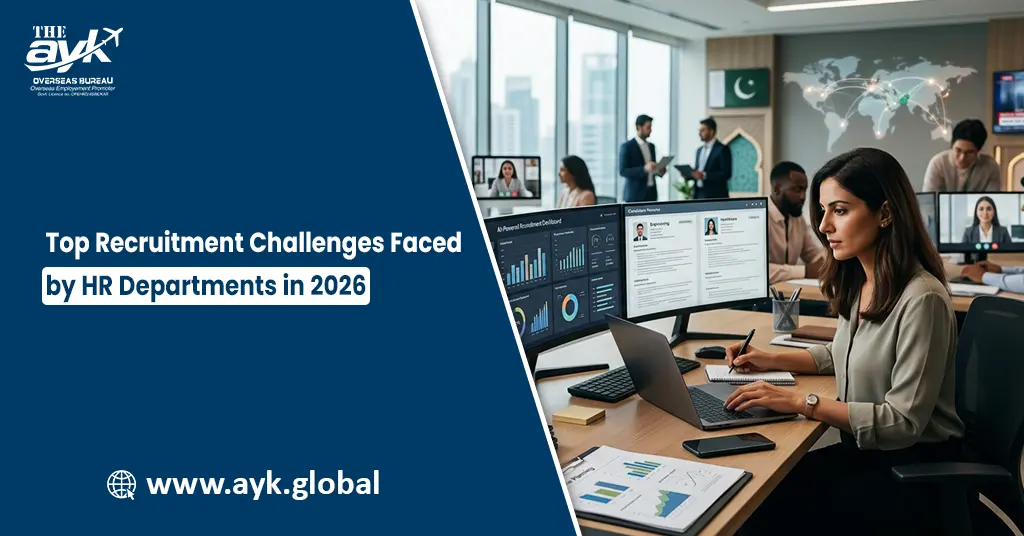 Top Recruitment Challenges Faced by HR Departments in 2026
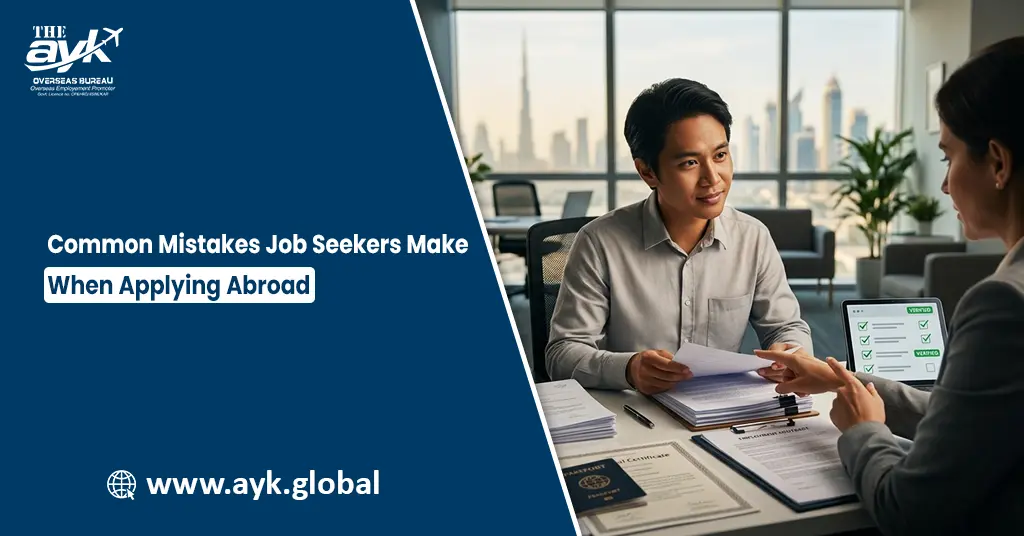 Common Mistakes Job Seekers Make When Applying Abroad
 KSA Recruitment
 UAE Recruitment
 Qatar Recruitment
 Oman Recruitment
 Kuwait Recruitment
 Libya Recruitment
 Bahrain Recruitment
 Iraq Recruitment
 Malaysia Recruitment
 Malta Recruitment
 Canada Recruitment
 USA Recruitment
 Europe Recruitment
 UK Recruitment
 Romania Recruitment
 Poland Recruitment
 Bulgaria Recruitment
 Albania Recruitment
 Serbia Recruitment
 Lithuania Recruitment
 Japan Recruitment
 Turkey Recruitment
 Kyrgyzstan Recruitment
 South Korea Recruitment