With globalization and remote hiring on the rise, overseas job opportunities are growing rapidly. Many professionals now aim to work abroad or with international companies. However, overseas interviews require a different level of preparation compared to local interviews. From cultural awareness to communication skills, international employers evaluate candidates on multiplelevels.
This guide explains how to prepare for overseas interviews effectively how to prepare for overseas interviews effectively, helping you stand out and succeed in international job applications.
Understand the Overseas Interview Process
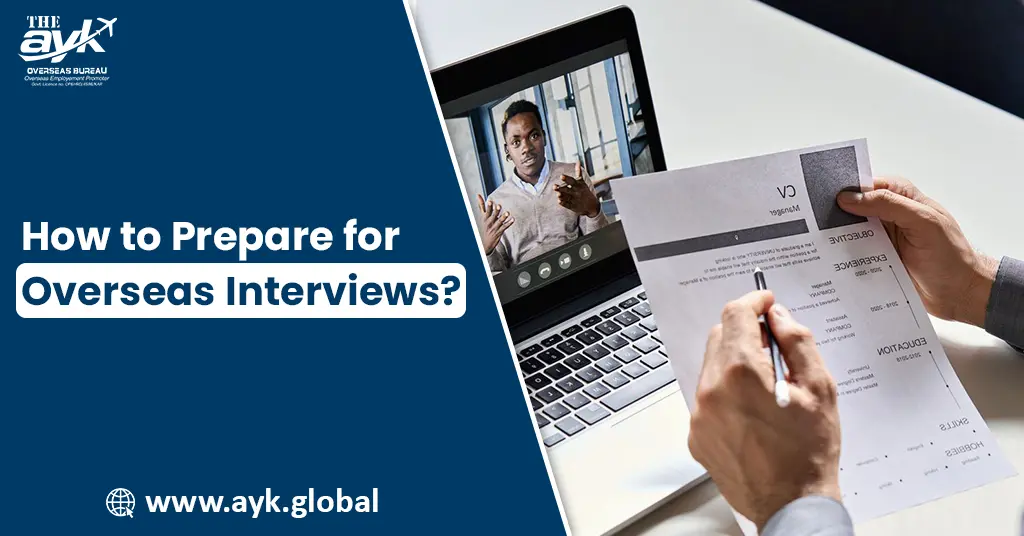
Overseas interviews usually involve multiple stages. Companies often start with an online screening interview, followed by technical or behavioral rounds. Some employers may also conduct panel interviews or skill assessments.
Common overseas interview formats include:
• Video interviews (Zoom, Microsoft Teams, Google Meet)
• Phone interviews
• Recorded interviews
• Technical or case study assessments
International recruiters focus strongly on communication skills, adaptability, and
professionalism.
Research the Country and Work Culture
Understanding the country’s work culture is a critical part of overseas interview preparation. Employers value candidates who respect cultural differences and workplace norms.
Important cultural aspects to research:
• Communication style (formal or informal)
• Workplace hierarchy
• Time management and punctuality
• Dress code and professionalism
• Interview etiquette
For example, Western countries prefer confident and direct communication, while Asian countries value respect and formality.
Research the Company Thoroughly
Before attending an overseas interview, research the company in depth. Employers expect international candidates to understand their organization and role.
Focus on:• Company background and mission
• Products or services
• Company values and culture
• Recent achievements or news
• Job role requirements
Link your skills and experience directly to the company’s goals to make a strong impression.
Prepare an International Standard CV
A strong CV is essential for international job interviews. Your resume should meet global standards and be tailored to the specific country and role.
CV preparation tips:
• Use clear and professional English
• Highlight achievements with measurable results
• Include international or remote work experience
• Avoid unnecessary personal details
• Keep formatting clean and ATS-friendly
An optimized CV increases your chances of passing initial screenings.
Improve English Communication Skills
English is the most commonly used language in overseas interviews. Clear and confident communication is essential.
Improve your communication by:
• Practicing common interview questions in English
• Speaking slowly and clearly
• Avoiding slang and local phrases
• Structuring answers logically
• Enhancing listening skills
Strong English communication reflects confidence and professionalism.
Prepare for Common Overseas Interview Questions
International employers often ask behavioral and situational questions to assess adaptability.
Common questions include:
• Tell me about yourself
• Why do you want to work abroad?
• Why should we hire you?
• How do you handle cultural differences?
• Can you work remotely and independently?
Use the STAR method to answer questions clearly and effectively.
Be Ready for Cultural and Behavioral Questions
Cultural fit plays a major role in overseas hiring decisions. Employers want to know how you handle teamwork, communication, and diversity.
Prepare examples that show:
• Flexibility and adaptability
• Cross-cultural collaboration
• Problem-solving skills
• Professional behavior in challenging situations
Real examples help build trust with interviewers.
Prepare for Online Overseas Interviews
Most overseas interviews are conducted virtually, making technical preparation essential.
Online interview checklist:
• Stable internet connection
• Professional background and lighting
• Working camera and microphone
• Quiet interview environment
• Professional attire
Joining the interview early demonstrates punctuality and seriousness.
Manage Time Zone Differences
Time zone management is a key challenge in overseas interviews. Always confirm the interview time zone and convert it accurately.
Set reminders and alarms to avoid delays. Being on time shows respect and reliability.
Understand Visa and Work Authorization Requirements
You should have basic knowledge about visa requirements and work authorization.
Be prepared to answer:
• Do you require visa sponsorship?
• Are you open to remote work?
• When can you relocate?
Honest and clear communication builds employer confidence.
Ask Intelligent Questions
Asking the right questions shows interest and preparation.
Good questions to ask:
• What does success look like in this role?
• How does the company support international employees?
• What are the growth opportunities?
• How does the team collaborate globally?
Avoid discussing salary too early unless invited.
Send a Professional Follow-Up
After the interview, send a polite follow-up email within 24 hours. Thank the interviewer and express interest in the position.
A professional follow-up strengthens your impression.
Conclusion
Preparing for overseas interviews requires cultural understanding, strong communication, professional presentation, and confidence. By following the right preparation strategies, you can improve your chances of success in international job interviews
With proper planning and practice, overseas interviews can open the door to global career opportunities and professional growth