FAQs – Recruitment Agency in Pakistan for Oman
1. Why are employers in Oman increasingly hiring workers from Pakistan?
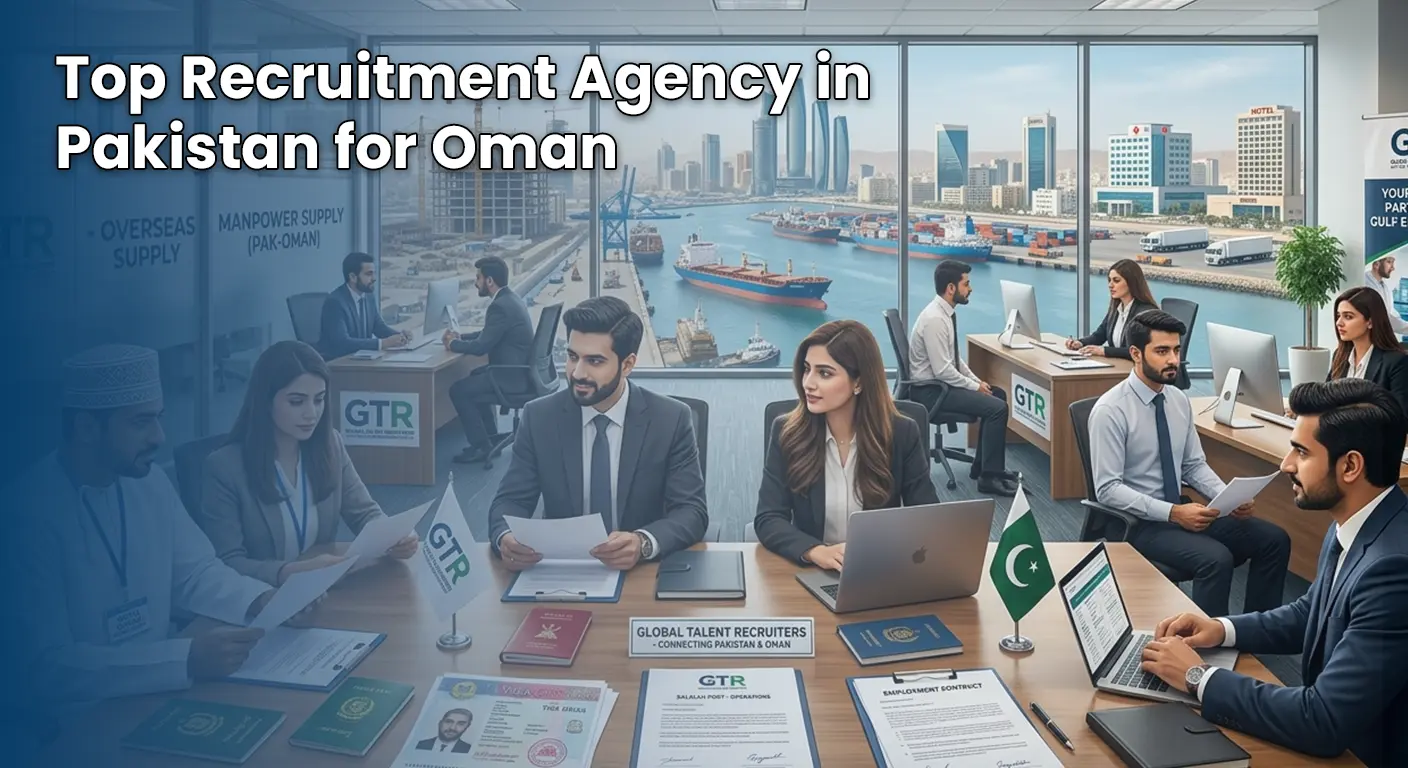
Omani employers are now actively recruiting laborers from Pakistan due to the shortage of labor in Omani
industries which has a direct impact on the sustainability of operations, production processes,
infrastructure development, oil and gas activities, customer care services, warehousing facilities, and
overall business sustainability. Omani construction, logistics, oil and gas, health care, hospitality,
transport, industrial engineering, manufacturing, and infrastructure industries have been continuously
growing, but the domestic labor supply cannot meet the growing demands. The reason why Pakistani laborers
are favored is that most of them have the necessary experience in working within such industrial or
commercial environments.
2. Which industries in Oman have the highest demand for Pakistani workers?
A number of industries in Oman presently experience a high requirement for workers from Pakistan since
there is a shortage of workers which impacts business operations within many different industries.
Construction and infrastructure industries require a large number of foreign workers for operations
related to commercial work, industrial work, residential construction system work, transportation
infrastructure work, and technical installations. In addition, the oil & gas industry requires foreign
workers from Pakistan for drilling systems, fabrication systems, refinery maintenance, offshore
environments, technical installations, and engineering work.
3. What recruitment services does AYK Overseas provide for Omani employers?
AYK Overseas Recruitment & HR Manpower Agency offers a comprehensive solution for employers looking to
recruit staff overseas in Oman through its full-service approach that covers the total recruitment and
manpower employment process. The agency starts off by thoroughly assessing the needs of the employers
based on aspects such as the number of workers, skill sets, operating system, accommodations, work
environment, shift work, and manpower needs in general. Potential candidates are then selected based on
their relevant skills, capabilities, experience, reliability, flexibility, and suitability. Based on the
needs of the employers, the agency may also arrange for interviews, trade tests, operating tests,
technical assessment, and industrial examination.
4. Why is proper overseas recruitment important for businesses in Oman
The process of recruiting the right overseas labor is crucial because the quality of the labor determines
productivity in industries, customer relations, continuity of projects, efficient warehouse work, effective
transportation systems, oil and gas production, continuous healthcare services, and even performance within
organizations in the long run. Companies that employ unqualified labor due to improper recruitment processes
usually face a high rate of employee turnover and lack of stability among the employees, productivity
losses, poor technical skills and inefficiency, communication challenges, and organizational discontinuity.
In some cases, improper recruitment systems could be problematic from a legal perspective concerning
immigration regulations, documentation processes, labor employment, and continuity of operations.
5. How does AYK Overseas ensure workforce quality for Omani companies?
The focus of AYK Overseas Recruitment & HR Manpower Agency is on high-quality work force because employer
satisfaction and business continuity rely on work force capacity and effectiveness. The recruitment agency
adopts formal methods of screening for qualified personnel based on their ability to offer relevant
operational skills and knowledge related to practical industrial work experience, technical capacity,
industrial discipline, adaptability, and understanding of work flow in difficult industrial conditions
prevailing in Oman. The candidates are screened for qualifications necessary for the operations in that
industry before recommendations for the employers. In technical industries like Oil & Gas, Construction,
Engineering, Industrial Maintenance, Logistics Operations, and Fabrication Systems, the agency may assist
in conducting trade testing, operational testing, technical assessment, or interviews to determine the
capability of the personnel.
6. Why do oil & gas companies in Oman recruit foreign workers?
Oil and gas corporations operating in Oman hire expatriates due to the need for dependable working teams
that can keep on maintaining industrial productivity for extended durations since drilling activities,
refining processes, offshore maintenance facilities, industrial engineering systems, and technical
fabrication techniques all demand this. Industrial operations and the production of energy continue to
create a shortage of labor among the oil and gas sector in Oman. Many Pakistani expatriates are hired by
industries since they have previous experience with various industrial maintenance techniques and
fabrication techniques.
7. Why are construction industries in Oman hiring Pakistani workers?
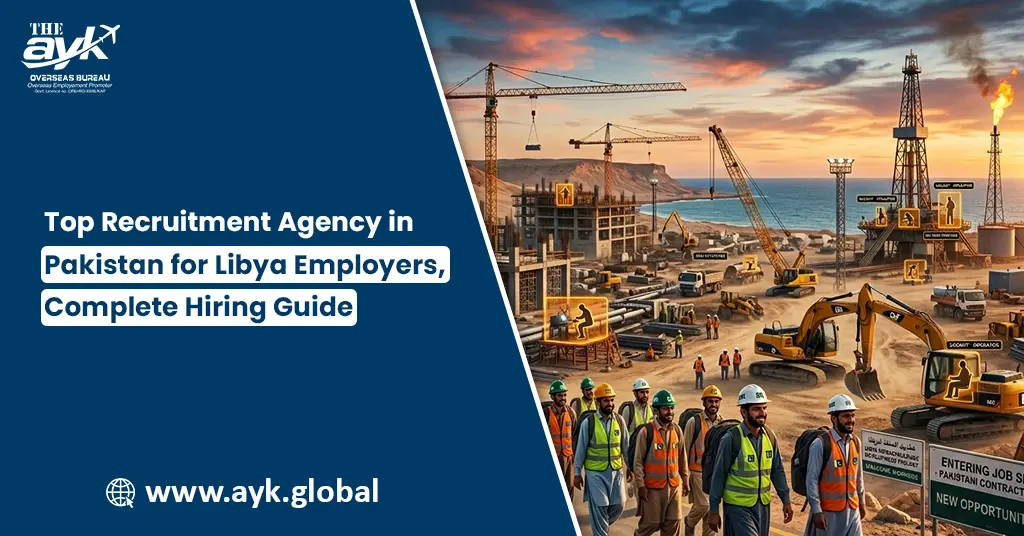
The construction industry in Oman needs workers from Pakistan since they have to develop infrastructure
projects, build industrial complexes, build transport networks, construct housing projects, and develop
commercial projects that need manpower with reliable skills for operating in technically complex settings.
Lack of manpower would impact project implementation, technical productivity, operational efficiency, and
sustainable infrastructure development. Workers from Pakistan are favored since they are experienced in such
projects, construction projects, welding activities, plumbing operations, electrical work, and hard labor
conditions.
8. How does overseas recruitment help Omani companies reduce workforce shortages?
The benefit that overseas recruitment brings to Omani firms is helping them solve their labor shortage
problem, since it gives them access to a larger pool of labor that can assist in operating industries which
are facing labor shortages and growing operation pressures. Companies in various industries including
construction, oil and gas, health care, logistics, hotels, transport, manufacturing, and industries in
general tend to find it difficult to sustain their operation due to the fact that labor available locally is
insufficient to handle growing industries and operations.
9. Why is workforce adaptability important for employers in Oman?
Workforce adaptability becomes crucial due to the fact that several sectors within the country need
flexible personnel able to adjust to work processes, operations, workflow routines, productivity demands,
and difficult working conditions of the industrial sector. Unadapted employees may face problems with
maintaining productivity and operational efficiency. The workforce from Pakistan usually finds favor among
employers since many of them have gained experience in organized industrial settings and adapt easily to
challenging operating systems
10. Why should Omani employers choose AYK Overseas Recruitment & HR Manpower
Agency?
The Oman-based employers must opt for AYK Overseas Recruitment & HR Manpower Agency due to the fact that
the agency offers structured overseas recruitment solutions with emphasis on quality of work force,
suitability of the employees in operations, technical proficiency, compliance with regulations, effective
communication, and consistency of the work force. The agency conducts comprehensive screening of the work
force based on practical experience, discipline of work force, technical knowledge, adaptability, and
workflow needs of the particular industry before introducing the same to employers.
11. Why is workforce reliability important for businesses in Oman?
Reliability of the workforce is critical because many industries rely on their workforce for stability to
ensure continuous productivity. Some of the sectors that rely on reliable workforce include construction,
oil and gas, logistics, health care, hospitality, and manufacturing. Reliability of employees helps
businesses to minimize disruptions, increase customer satisfaction, and minimize employee turnover.
12. How do Pakistani workers support Oman’s hospitality industry?
Pakistani workers help in maintaining the customer service standards, housekeeping standards, kitchens,
food preparation services, and even provide hospitality continuity for hotels, restaurants, accommodation
establishments, resorts, and catering services. Pakistani workers have already developed experience in the
hospitality sector and can easily adjust themselves to customer-oriented services.
13. Why is foreign manpower important for Oman’s infrastructure sector?
Foreign manpower is important for Oman’s infrastructure sector because construction projects,
transportation systems, industrial developments, and commercial operations require dependable workers
capable of supporting technical installation procedures, fabrication systems, welding activities,
electrical operations, plumbing systems, and repetitive construction workflows over long operational
14. How does AYK Overseas help employers reduce recruitment risks?
AYK Overseas offers assistance to employers by helping them lower their risks during the recruitment
process using systematic worker screening processes, technical evaluations, operational assessments,
legitimate recruiting practices, documentation arrangements, and communication systems. Structured
recruitment processes facilitate the hiring of employees who will be able to sustain production in tough
industrial conditions.
15. Why are healthcare institutions in Oman hiring foreign workers?
Healthcare institutions in Oman recruit foreign workers because hospitals, rehabilitation centers,
healthcare facilities, and patient support systems require stable manpower capable of maintaining
caregiving continuity, healthcare workflows, patient support activities, and operational medical
productivity despite increasing healthcare demand and workforce shortages.
16. Why are logistics companies in Oman dependent on overseas recruitment?
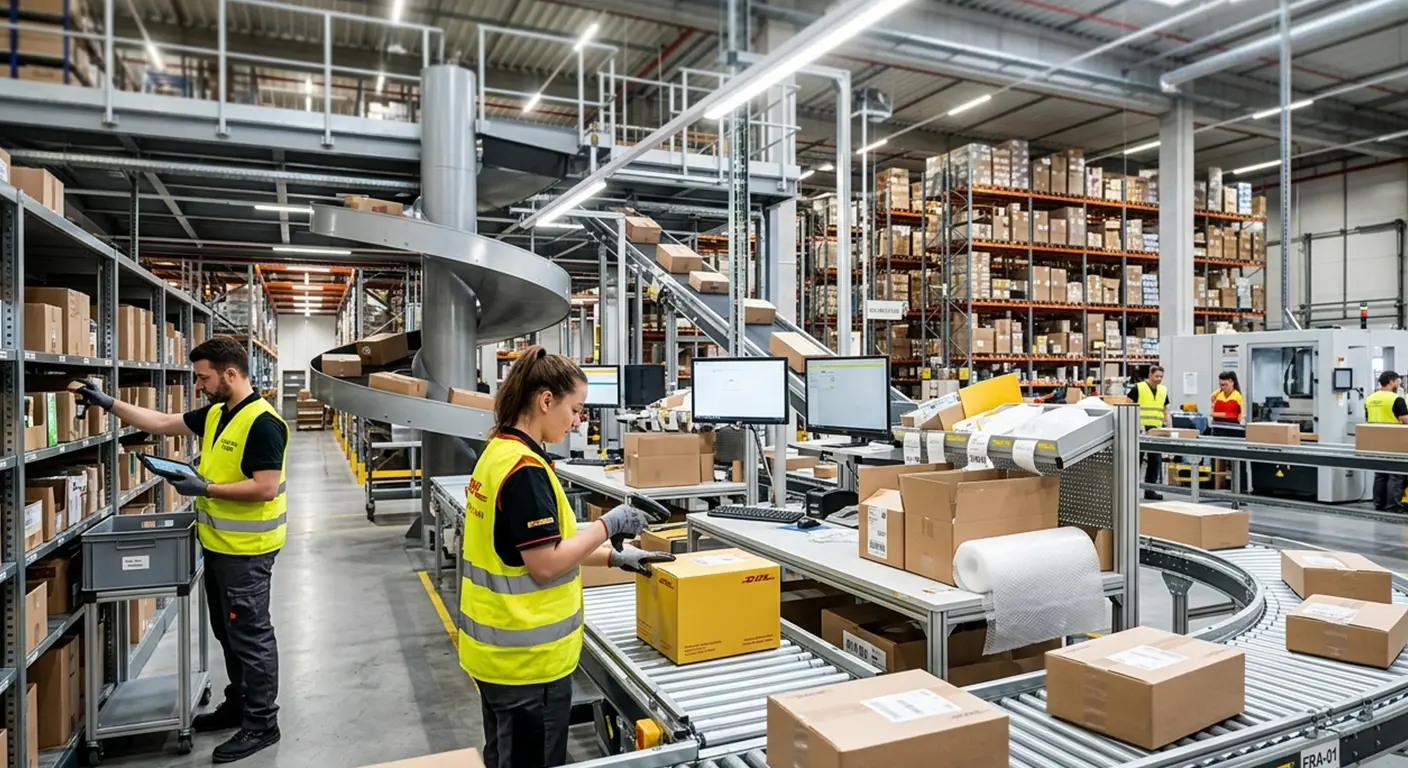
Logistics companies depend on overseas recruitment because warehouses, transportation systems, cargo
operations, industrial supply chain systems, and distribution centers require dependable manpower capable
of supporting inventory systems, warehouse workflows, loading procedures, dispatch operations, and
transportation continuity.
17. How does legal recruitment benefit employers in Oman?
Legal recruitment helps employers maintain immigration compliance, workforce continuity, operational
stability, proper documentation systems, and reduced recruitment complications. Organized legal
recruitment procedures also improve workforce deployment efficiency and reduce operational risks related
to manpower management.
18. What operational qualities do Omani employers look for in workers?
Omani employers often look for operational discipline, workforce reliability, adaptability, teamwork
capability, technical understanding, physical suitability, productivity continuity, customer service
skills, and the ability to work effectively within demanding industrial and commercial environments.
19. Why is long-term workforce planning important for Omani companies?
Long-term workforce planning is important because manpower shortages are expected to continue affecting
multiple industries throughout Oman for many years. Businesses that establish stable overseas recruitment
systems are generally better prepared to maintain operational continuity, industrial productivity,
warehouse efficiency, technical maintenance systems, and long-term business growth.
10. Why should Omani employers choose AYK Overseas Recruitment & HR Manpower
Agency?
The Oman-based employers must opt for AYK Overseas Recruitment & HR Manpower Agency due to the fact that
the agency offers structured overseas recruitment solutions with emphasis on quality of work force,
suitability of the employees in operations, technical proficiency, compliance with regulations, effective
communication, and consistency of the work force. The agency conducts comprehensive screening of the work
force based on practical experience, discipline of work force, technical knowledge, adaptability, and
workflow needs of the particular industry before introducing the same to employers.












 KSA Recruitment
 UAE Recruitment
 Qatar Recruitment
 Oman Recruitment
 Kuwait Recruitment
 Libya Recruitment
 Bahrain Recruitment
 Iraq Recruitment
 Malaysia Recruitment
 Malta Recruitment
 Canada Recruitment
 USA Recruitment
 Europe Recruitment
 UK Recruitment
 Romania Recruitment
 Poland Recruitment
 Bulgaria Recruitment
 Albania Recruitment
 Serbia Recruitment
 Lithuania Recruitment
 Japan Recruitment
 Turkey Recruitment
 Kyrgyzstan Recruitment
 South Korea Recruitment