Frequently Asked Questions
Why are companies in South Korea increasingly hiring workers from
Pakistan?
South Korean companies have started to employ laborers from Pakistan owing
to the shortage of manpower in industries due to the growth of industry, exports, manufacturing
processes, ship-building, warehouse services, logistics, infrastructural development, and
commercial activities within the country. There is a need of manpower that can sustain industry
continuity, productivity, operations, logistics, and workforce continuity among businesses
operating in South Korea. Laborers of Pakistani origin are more favored due to the fact that
many of them already have the knowledge and experience regarding industry-related work.
Which industries in South Korea have the highest demand for Pakistani
workers?
The South Korean enterprises are now beginning to utilize laborers
originating from Pakistan because of the requirement for manpower in industrial sectors due to
the development of industries, exportation, production processes, shipbuilding, warehousing,
logistics, infrastructure development, and business activities in South Korea. The requirement
for manpower capable of ensuring industrial continuity, productivity, operations, logistics, and
workforce continuity among firms existing in South Korea is imperative. The reason why these
laborers are preferred is that they are aware of how to carry out industrial tasks.
What recruitment services does AYK Overseas provide for Korean employers?
AYK Overseas Recruitment & HR Manpower Agency offers comprehensive overseas
recruitment services to employers in South Korea through the professional management of the
entire process involved in recruiting and deploying their workforce. In the first stage, AYK
Overseas determines the employer’s needs in terms of workforce numbers, categories of skills
required, industrial system, accommodation needs, workplace environment, shift work needs, among
other manpower requirements specific to each industrial setup. Candidates are then recruited
based on their experience, workforce discipline, technical know-how, flexibility, fitness,
reliability in operations, and knowledge of workflows, followed by shortlisting of candidates
suitable for the respective employers. Where the need arises, AYK Overseas may assist in
arranging interviews, operation tests, technical assessment, trade testing, and industrial
evaluation of the selected workforces before recruitment.
Why is proper overseas recruitment important for businesses in South
Korea?
AYK Overseas Recruitment & HR Manpower Agency offers comprehensive overseas
recruitment services to employers in South Korea through the professional management of the
entire process involved in recruiting and deploying their workforce. In the first stage, AYK
Overseas determines the employer’s needs in terms of workforce numbers, categories of skills
required, industrial system, accommodation needs, workplace environment, shift work needs, among
other manpower requirements specific to each industrial setup. Candidates are then recruited
based on their experience, workforce discipline, technical know-how, flexibility, fitness,
reliability in operations, and knowledge of workflows, followed by shortlisting of candidates
suitable for the respective employers. Where the need arises, AYK Overseas may assist in
arranging interviews, operation tests, technical assessment, trade testing, and industrial
evaluation of the selected workforces before recruitment.
How does AYK Overseas ensure workforce quality for Korean companies?
In this regard, AYK Overseas Recruitment & HR Manpower Agency places great
emphasis on the quality of the workforce, as employer satisfaction and operations continuity are
dependent on the capabilities of the manpower. This is in view of the fact that the company
operates systematic systems of workforce screenings aimed at ensuring that only individuals with
operational experience, discipline, capability, adaptability, reliability, and knowledge of
operation processes are recruited into challenging work environments in South Korea. The
candidates are evaluated based on the operational needs of different sectors before being
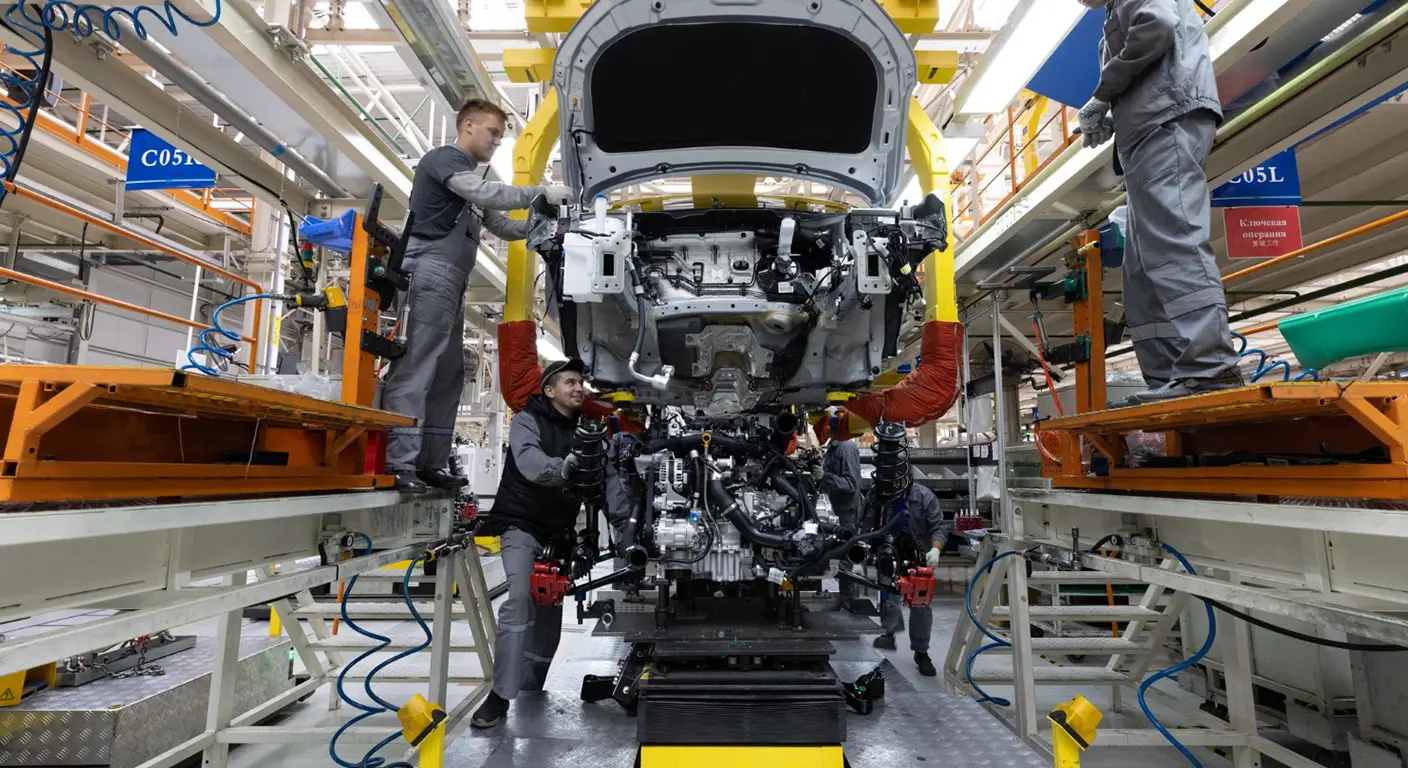
introduced to the employers. In relation to sectors such as manufacturing, construction,
logistics, shipbuilding, food processing, automobile manufacturing, and warehouse operations,
the recruitment firm might organize trade tests, operational assessments, technical assessments,
and interviews to evaluate the workforce capability prior to recruitment.
Why do manufacturing companies in South Korea recruit foreign workers?
Manufacturing firms in South Korea employ foreigners due to the need for
reliable industrial workforce in their production systems, packing, assembly lines, machinery
settings, warehousing, and maintenance operations. Rising industrial engagement and export
requests are continuously causing a shortage of manpower in the manufacturing industry in South
Korea. Pakistani laborers are commonly favored because they may already have hands-on expertise
in industrial production systems, machine maintenance, packaging operations, warehousing
processes, and assembly line work.
Why are shipbuilding industries in South Korea hiring Pakistani workers?
Ship manufacturing industries in South Korea use Pakistani laborers since
shipyards, marine engineering projects, industrial manufacturing processes, steel frameworks,
and project operation environments demand workers that are technically skilled to sustain
welding processes, manufacturing processes, industrial production rates, and the continuity of
projects. Pakistani laborers are favored since many of them already have practical knowledge
about welding processes, manufacturing processes, industrial manufacturing systems, and
technical project environments.
How does overseas recruitment help Korean companies reduce workforce
shortages?
With overseas recruitment, there is always the advantage of minimizing the
problem that Korean organizations experience due to workforce shortages since overseas
recruitment provides firms with access to a greater manpower pool that will be able to cater for
the industries experiencing local labor shortages. Firms in various industries such as
manufacturing, construction, health support industries, logistics, ship building, warehouses,
food industries, automotive industries, and agriculture have been experiencing problems
maintaining continuity in their operations due to a lack of manpower. With overseas recruitment,
firms will always be able to ensure the continuation of their operations.
Why is workforce adaptability important for employers in South Korea?
It is crucial for workers to be adaptable because there are quite a few
industries in South Korea where workers must be able to adapt fast to systems and procedures, as
well as to the repetitive nature of industrial production, warehouses, manufacturing
environment, demands of productivity in industry, and rigorous operational activities. Workers,
who are not adaptable enough, might find themselves unable to keep up productivity after being
deployed. Pakistani workers are considered suitable candidates due to the fact that they have
worked in industrial environments before.
Why should Korean employers choose AYK Overseas Recruitment & HR Manpower
Agency?
Employers in Korea should consider hiring AYK Overseas for its efficient
recruitment strategies centered around workforce suitability, operability, compliance, clarity
in communication, and continuous employment of workforces. It is the responsibility of the
recruiting agency to filter out workers based on operational experience, competency, workforce
behavior, adaptability, fitness, operational dependability, and workflow requirements of the
industries. This includes all the steps involved in recruiting from abroad, including document
handling, work force selection, visa processing, deployment, and manpower management.
Why is workforce reliability important for businesses in South Korea?
The importance of workforce reliability cannot be underestimated since
sectors like manufacturing, logistics, construction, ship-building, food processing, warehouse,
automobile assembly lines, and maintenance of industries depend immensely on consistent manpower
availability in order to sustain their industrial and business efficiency. Efficient workforces
can assist organizations in minimizing production disruptions and industrial disruptions.
How do Pakistani workers support South Korea’s industrial sector?
South Korean industry benefits from Pakistani laborers who provide
assistance to industries for the purposes of sustaining industrial productivity, industrial
continuity, industrial technical processes, industrial machines, industrial packaging, and
repetitive industrial production activities. Most of the laborers already have industrial
experience and will be able to adjust easily to an industrial process that is organized in a
technical manner.
Why is foreign manpower important for South Korea’s logistics sector?
Foreign manpower is important for South Korea’s logistics sector because
warehouses, transportation systems, cargo operations, industrial supply chain systems, and
distribution centers require dependable workers capable of supporting inventory systems,
warehouse workflows, dispatch operations, packaging activities, and transportation continuity.
How does AYK Overseas help employers reduce recruitment risks?
Through organized screening methods of the workforce, operations evaluation,
recruiting legally, coordination of documentation, and proper communication systems, AYK
Overseas assists organizations in minimizing the risks associated with recruitment. This is
achieved through a recruitment process that ensures that the organizations employ employees that
fit their working conditions.
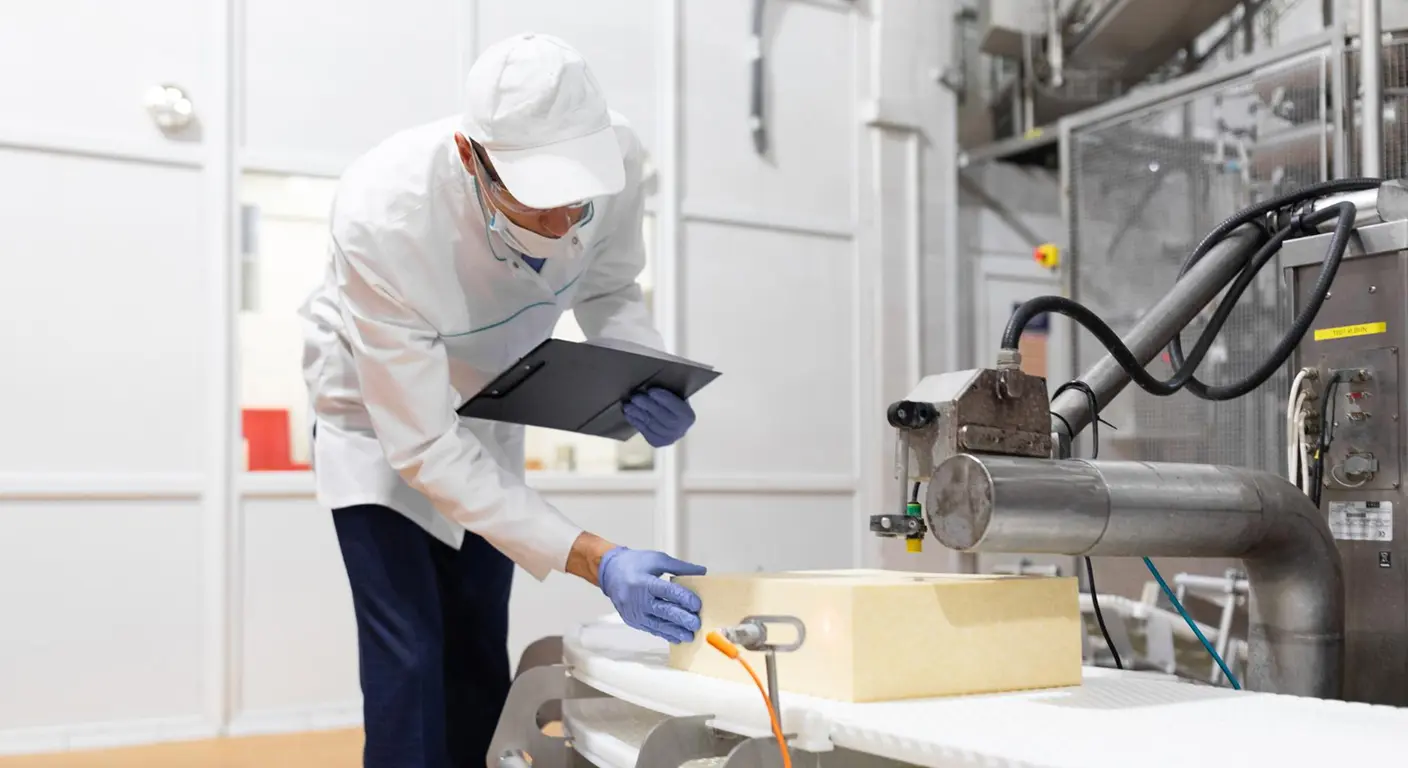
Why are food processing companies in South Korea hiring foreign workers?
Food processing companies recruit foreign workers because food factories,
packaging systems, seafood processing operations, industrial kitchens, and frozen food
production facilities require operational teams capable of maintaining hygiene standards, food
production continuity, packaging workflows, and industrial productivity.
Why is technical workforce screening important for Korean employers?
Technical workforce screening is important because industries such as
manufacturing, shipbuilding, construction, logistics, automotive production, and industrial
maintenance require workers capable of maintaining technically organized systems, industrial
safety standards, operational productivity, and workflow continuity within demanding workplace
environments.
How does legal recruitment benefit employers in South Korea?
Legal recruitment helps employers maintain immigration compliance, workforce
continuity, operational stability, proper documentation systems, and reduced recruitment
complications. Organized legal recruitment procedures also improve workforce deployment
efficiency and reduce operational risks related to manpower management.
What operational qualities do Korean employers look for in workers?
Korean employers often look for workforce discipline, operational
reliability, adaptability, teamwork capability, technical understanding, physical suitability,
productivity continuity, punctuality, workplace professionalism, and the ability to work
effectively within demanding industrial and commercial environments.
Why is long-term workforce planning important for Korean companies?
Long-term workforce planning is important because manpower shortages are
expected to continue affecting multiple industries throughout South Korea for many years.
Businesses that establish stable overseas recruitment systems are generally better prepared to
maintain operational continuity, industrial productivity, warehouse efficiency, transportation
systems, export continuity, manufacturing productivity, and long-term business growth.
How does AYK Overseas support long-term workforce stability for Korean
businesses?
The AYK Overseas team ensures long-term work force stability with consistent
manpower procurement methods, work force screening processes, technical evaluation,
coordination, document control, open communication, work force preparation, and work force
support systems to ensure that companies can establish work forces that will last.




 KSA Recruitment
 UAE Recruitment
 Qatar Recruitment
 Oman Recruitment
 Kuwait Recruitment
 Libya Recruitment
 Bahrain Recruitment
 Iraq Recruitment
 Malaysia Recruitment
 Malta Recruitment
 Canada Recruitment
 USA Recruitment
 Europe Recruitment
 UK Recruitment
 Romania Recruitment
 Poland Recruitment
 Bulgaria Recruitment
 Albania Recruitment
 Serbia Recruitment
 Lithuania Recruitment
 Japan Recruitment
 Turkey Recruitment
 Kyrgyzstan Recruitment
 South Korea Recruitment