Benefits of Hiring Trade-Tested Workers
Published: June 23, 2026 | Views: 20
Recruiting employees is one of the most important responsibilities employers face. Every hiring decision affects productivity, operational efficiency, workplace safety, customer satisfaction, project performance, and long-term business growth. While resumes, interviews, and references provide valuable information, they do not always reveal whether candidates possess the practical skills required to perform effectively on the job.
This challenge is particularly significant in industries such as construction, manufacturing, engineering, logistics, oil and gas, facilities management, transportation, and industrial services. Employers often require workers who can operate machinery, perform technical tasks, follow procedures, and contribute immediately after deployment. Hiring individuals without verifying these abilities can create costly operational problems.
Trade testing provides a solution by allowing employers to evaluate practical competencies before recruitment decisions are made. Rather than relying solely on claims of experience, organizations can assess actual performance through structured skill evaluations. This approach improves workforce quality and reduces hiring risks.
Trade-tested workers have demonstrated their abilities in practical environments. They possess verified technical competencies that help employers maintain productivity, safety, and operational efficiency. As labor markets become more competitive and workforce quality becomes increasingly important, trade testing has emerged as a valuable recruitment strategy.
Employers that prioritize trade-tested manpower often experience stronger project outcomes, lower turnover rates, and improved workforce performance. Verified skills provide greater confidence during recruitment and contribute directly to organizational success.
This guide explores the benefits of hiring trade-tested workers and explains why practical skill verification should be an essential component of workforce planning.
1. Trade Testing Verifies Real Skills
One of the greatest advantages of trade testing is that it verifies practical competence. Many candidates present impressive resumes or describe extensive work experience during interviews. However, employers cannot always determine whether those claims accurately reflect actual capabilities.
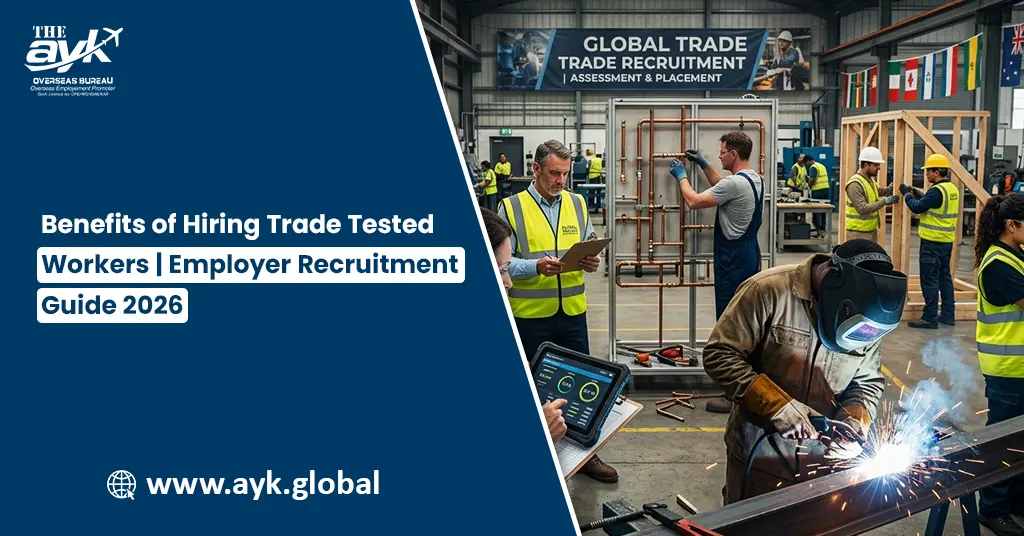
Trade testing eliminates uncertainty by evaluating candidates in realistic work scenarios. Welders complete welding assessments, electricians demonstrate electrical competencies, machine operators operate equipment, plumbers perform installations, and technicians complete technical tasks relevant to their roles.
This process provides employers with objective information regarding workforce capabilities. Hiring decisions become based on demonstrated performance rather than assumptions. Organizations gain greater confidence that employees can perform effectively once deployed.
Workforce quality improves significantly when recruitment decisions include practical skill verification. Trade testing helps ensure that workers possess the competencies necessary for success.
Trade Testing Advantages
Practical assessments verify workforce competence.
Employers gain confidence in hiring decisions.
Workforce quality improves significantly.
2. Higher Productivity from Day One
Productivity is one of the most important factors influencing business success. Employees who can perform tasks effectively from the beginning contribute immediately to operational performance and project outcomes.
Trade-tested workers often require less time to become productive because their skills have already been evaluated and verified. Employers spend less time correcting mistakes, providing remedial training, or supervising basic tasks. Workforce integration becomes faster and more efficient.
In industries such as construction, manufacturing, logistics, and engineering, productivity gains can have substantial financial implications. Small improvements in workforce performance often produce significant operational benefits over time.
Organizations that prioritize trade-tested manpower frequently achieve stronger productivity outcomes because employees arrive prepared to contribute effectively.
Productivity Benefits
Verified workers contribute immediately.
Less supervision improves efficiency.
Higher productivity supports profitability.
3. Reduced Hiring Risks
Every recruitment decision involves some level of risk. Employers invest time, money, and resources into sourcing, interviewing, onboarding, and developing employees. Hiring unsuitable candidates can create operational disruptions and financial losses.
Trade testing reduces these risks by providing objective evidence of workforce capability. Employers can identify strengths, weaknesses, and technical competencies before making hiring decisions. This information improves recruitment accuracy and reduces uncertainty.
Hiring mistakes often result in turnover, productivity losses, project delays, and increased recruitment costs. Trade-tested workers help minimize these challenges because their abilities have already been evaluated.
Organizations that incorporate trade testing into recruitment processes generally experience stronger hiring outcomes and improved workforce stability.
Risk Reduction Benefits
Trade testing improves recruitment accuracy.
Employers avoid costly hiring mistakes.
Verified skills reduce workforce uncertainty.
4. Improved Workplace Safety
Safety is a critical concern across industries such as construction, manufacturing, logistics, transportation, engineering, and oil and gas. Workforce quality directly influences safety performance because employees must understand procedures, equipment operation, and workplace hazards.
Trade-tested workers often demonstrate stronger safety awareness because practical evaluations include compliance with operational standards and safe work practices. Employers gain greater confidence that workers can perform responsibilities responsibly.
Safety incidents create significant costs, including medical expenses, project delays, regulatory penalties, reputational damage, and productivity losses. Reducing workplace risks therefore provides substantial organizational value.
Employers that prioritize workforce quality and skill verification frequently achieve stronger safety outcomes and improved compliance performance.
Safety Advantages
Qualified workers improve workplace safety.
Skill verification reduces operational risks.
Safety performance supports project success.
5. Better Project Performance
Project success depends heavily on workforce capability. Construction projects, manufacturing operations, maintenance activities, logistics programs, and industrial initiatives all require employees who can perform technical tasks efficiently and accurately.
Trade-tested workers contribute directly to project performance because they possess verified competencies. They complete assignments more effectively, make fewer mistakes, and require less supervision than workers whose skills have not been evaluated.
Improved workforce quality often leads to better project outcomes, including stronger productivity, reduced delays, higher quality standards, and greater customer satisfaction. Employers benefit because projects are completed more efficiently and operational risks decline.
Organizations that recruit trade-tested workers often experience stronger execution performance and improved workforce reliability.
Project Benefits
Workforce quality improves project outcomes.
Verified workers reduce operational disruptions.
Skilled employees support timely completion.
6. Lower Training and Supervision Costs
Training is an important workforce investment, but excessive training requirements can increase costs and delay productivity. Employees who lack practical skills often require extensive support before they can perform effectively.
Trade-tested workers typically require less remedial training because they have already demonstrated relevant competencies. Employers can focus development efforts on advanced skills rather than basic operational requirements.
Supervision costs also decline because verified workers generally perform tasks more independently. Managers spend less time monitoring activities and correcting errors. Operational efficiency improves as workforce capability increases.
Reducing training and supervision requirements helps organizations control workforce costs while maintaining strong performance standards.
Cost Saving Benefits
Less training reduces workforce expenses.
Independent workers require less supervision.
Cost efficiencies improve profitability.
7. Trade-Tested Workers Often Stay Longer
Employee retention is one of the biggest challenges employers face today. High turnover increases recruitment costs, disrupts operations, affects productivity, and creates workforce instability. Organizations that consistently lose employees must repeatedly invest time and resources into replacing them.
Trade-tested workers often perform better because they are placed into positions that match their actual skills and experience. When employees are capable of performing their responsibilities effectively, they generally experience greater job satisfaction and confidence. This can contribute to improved retention rates.
Employers also benefit because trade-tested employees require less corrective action and experience fewer performance-related issues. Stronger workforce alignment often leads to more stable employment relationships and reduced turnover.
Retaining skilled workers helps preserve organizational knowledge, improve team performance, and support long-term workforce development. Trade testing contributes to these outcomes by improving recruitment accuracy and workforce compatibility.
Retention Benefits
Better job matching improves employee satisfaction.
Reduced turnover lowers recruitment costs.
Workforce stability supports business growth.
8. Improved Customer Satisfaction and Service Quality
Customer satisfaction depends heavily on workforce quality. Whether employees are constructing buildings, maintaining facilities, manufacturing products, delivering services, repairing equipment, or supporting logistics operations, their performance directly affects customer experiences.
Trade-tested workers generally produce higher-quality results because they possess verified technical competencies. They complete assignments accurately, follow procedures correctly, and maintain stronger performance standards. These factors contribute to better customer outcomes and improved service reliability.
Organizations that consistently deliver high-quality work often build stronger reputations and maintain higher customer retention rates. Customers are more likely to continue working with businesses that demonstrate professionalism and reliability.
Employers that prioritize workforce quality through trade testing often experience stronger customer satisfaction and long-term business relationships.
Customer Benefits
Verified skills improve service quality.
Workforce competence supports customer satisfaction.
Strong performance enhances business reputation.
9. Trade-Tested Workers Support Construction Projects
Construction projects depend heavily on skilled manpower. Electricians, welders, plumbers, steel fixers, carpenters, scaffolders, machine operators, HVAC technicians, and supervisors all play critical roles in project success.
Construction employers frequently face challenges because project timelines are strict and workforce shortages remain common. Hiring workers without verifying their skills can create delays, safety concerns, quality issues, and increased operational costs.
Trade-tested construction workers help reduce these risks because employers know their capabilities before deployment. Practical assessments ensure employees possess the competencies required for specific project activities.
Organizations that use trade-tested manpower often experience improved productivity, stronger safety performance, and more successful project outcomes. Workforce quality becomes a competitive advantage within increasingly demanding construction environments.
Construction Workforce Benefits
Trade testing improves project readiness.
Verified workers support construction quality.
Workforce competence reduces project risks.
10. Industrial and Manufacturing Operations Benefit Significantly
Industrial facilities and manufacturing operations rely heavily on technical workforce categories. Machine operators, maintenance technicians, fabricators, electricians, welders, mechanics, and production specialists all contribute directly to operational performance.
Equipment downtime, quality issues, and productivity losses often occur when workforce capability does not match operational requirements. Employers therefore need reliable methods for evaluating technical competencies before recruitment decisions are made.
Trade testing provides objective evidence regarding candidate capabilities. Industrial employers gain confidence that workers can operate machinery, troubleshoot systems, maintain equipment, and support production activities effectively.
Workforce quality has a direct impact on operational efficiency. Organizations that recruit trade-tested workers frequently achieve stronger manufacturing performance and reduced workforce-related risks.
Industrial Workforce Benefits
Technical skills improve operational efficiency.
Trade testing reduces production risks.
Verified workers support business continuity.
11. Recruitment Agencies Improve Trade Testing Processes
Professional recruitment agencies play an important role in workforce evaluation. Many employers lack the facilities, expertise, or resources required to conduct comprehensive trade assessments independently.
Recruitment agencies often maintain trade testing centers, technical evaluators, workforce specialists, and structured assessment procedures that support skill verification activities. Employers benefit because workforce quality can be evaluated consistently and objectively.
Agencies also help standardize recruitment processes by ensuring candidates meet predefined competency requirements before being presented to employers. This improves hiring efficiency and reduces recruitment risks.
Organizations that partner with recruitment agencies gain access to workforce evaluation capabilities that strengthen recruitment outcomes and support workforce planning objectives.
Recruitment Agency Advantages
Professional assessments improve workforce quality.
Trade testing supports better hiring decisions.
Recruitment expertise reduces workforce risks.
12. Why AYK Overseas Provides Trade-Tested Workers
Employers today require workforce solutions that prioritize quality, reliability, and operational performance. As labor shortages continue affecting industries worldwide, hiring workers with verified competencies has become increasingly important.
AYK Overseas Recruitment & HR Manpower Agency
License No. GL-4586-KAR
supports employers through candidate sourcing, workforce planning, trade testing assistance, screening, qualification verification, documentation management, compliance support, workforce mobilization, and international recruitment services.
The agency helps employers recruit electricians, welders, plumbers, HVAC technicians, machine operators, construction workers, nurses, drivers, industrial technicians, and other workforce categories required across construction, healthcare, logistics, manufacturing, engineering, hospitality, facilities management, transportation, and industrial sectors.
By emphasizing workforce quality and practical skill verification, AYK Overseas helps organizations reduce hiring risks and improve workforce readiness. Employers gain access to manpower solutions designed to support productivity, safety, and long-term business success.
Workforce Quality Solutions
Trade-tested workers improve performance.
Professional recruitment supports workforce reliability.
Verified skills strengthen business outcomes.
Conclusion
Trade testing has become one of the most effective tools available for improving workforce quality and reducing recruitment risks. Employers that verify practical skills before hiring decisions are made often achieve stronger productivity, improved safety performance, lower training costs, higher customer satisfaction, and better project outcomes.
As labor shortages continue affecting industries worldwide, workforce quality will remain a critical factor influencing business success. Trade-tested workers provide employers with confidence that employees possess the competencies required to perform effectively from day one.
Organizations that integrate trade testing into workforce planning and recruitment strategies are better positioned to build reliable teams, maintain operational excellence, and support long-term growth.
 Skills Employers Are Looking for in 2026 Overseas Job Market
 How to Verify a Recruitment Agency Government License
 How to Choose the Right Manpower Agency for Your Company
 KSA Recruitment
 UAE Recruitment
 Qatar Recruitment
 Oman Recruitment
 Kuwait Recruitment
 Libya Recruitment
 Bahrain Recruitment
 Iraq Recruitment
 Malaysia Recruitment
 Malta Recruitment
 Canada Recruitment
 USA Recruitment
 Europe Recruitment
 UK Recruitment
 Romania Recruitment
 Poland Recruitment
 Bulgaria Recruitment
 Albania Recruitment
 Serbia Recruitment
 Lithuania Recruitment
 Japan Recruitment
 Turkey Recruitment
 Kyrgyzstan Recruitment
 South Korea Recruitment