
Best European Countries for Engineers to Work
Published: July 06, 2026 | Views: 6
Best European Countries for Engineers to Work
Engineering jobs in Europe are among the most attractive career opportunities in 2026 due to strong industrial development, advanced technology sectors, infrastructure expansion, and continuous demand for highly skilled professionals. European countries such as Germany, Netherlands, Sweden, Switzerland, Denmark, Norway, Austria, and France are actively hiring engineers from around the world because of shortages in specialized technical talent. Engineers are needed in fields such as mechanical, civil, electrical, software, automotive, aerospace, chemical, and industrial engineering. These roles involve designing systems, developing infrastructure, managing projects, and improving production efficiency across industries. For international professionals, including Pakistani engineers, Europe offers high salaries, career growth, research opportunities, and legal employment through skilled worker visa programs. Many companies also provide relocation assistance and visa sponsorship to attract global talent. However, requirements such as recognized degrees, technical experience, and language skills may vary by country. This guide explains the best European countries for engineers, including salaries, benefits, requirements, and career opportunities in 2026.
Germany – The Top Destination for Engineers
Germany is widely considered the best country in Europe for engineers due to its strong industrial base, advanced technology sector, and high demand for skilled professionals. The country is home to world-leading automotive companies, machinery manufacturers, and engineering firms that constantly require mechanical, electrical, civil, and software engineers. Germany faces a significant shortage of skilled engineers, making it a top destination for foreign professionals. Engineers benefit from high salaries, strong labor laws, and excellent working conditions. Many companies offer visa sponsorship under skilled worker programs, making relocation easier for international applicants. Germany also provides opportunities for career development, research, and specialization in advanced technologies such as automation, robotics, and renewable energy systems. Although German language skills are often required, many international companies use English in technical roles. Overall, Germany remains the most stable and rewarding destination for engineers seeking long-term career growth in Europe.
Netherlands – Strong Hub for Innovation and Engineering
The Netherlands is one of the most attractive countries for engineers due to its innovative industries, international work environment, and strong demand for technical professionals. The country is known for engineering excellence in water management, civil infrastructure, renewable energy, logistics systems, and high-tech manufacturing. Many global companies have headquarters or major operations in the Netherlands, offering excellent job opportunities for foreign engineers. The working environment is highly professional, with strong emphasis on innovation, teamwork, and advanced technology. English is widely used in engineering workplaces, making it easier for international candidates to adapt. Engineers benefit from competitive salaries, flexible work culture, and relocation support in many companies. The Netherlands also offers skilled migration programs that allow qualified engineers to work legally with visa sponsorship. Due to its strong economy and modern infrastructure, it remains one of the best destinations for engineers in Europe.
Sweden – High-Tech Engineering and Quality Work Environment
Sweden is another top destination for engineers, especially in industries such as automotive, telecommunications, renewable energy, and industrial manufacturing. The country is home to globally recognized companies that focus on innovation, sustainability, and advanced technology development. Engineers in Sweden enjoy high salaries, excellent work-life balance, and modern working environments. The country strongly invests in green energy and smart technologies, creating high demand for mechanical, electrical, and environmental engineers. Many companies offer English-speaking work environments, although learning Swedish can improve long-term career prospects. Sweden also has strong labor rights, employee benefits, and social security systems. Engineers are valued for their technical expertise and problem-solving skills. The country’s focus on sustainability and innovation makes it an ideal destination for engineers looking to work on advanced and future-oriented projects in Europe.
Switzerland – Highest Salaries for Engineers in Europe
Switzerland is known for offering some of the highest engineering salaries in Europe, making it a top choice for experienced professionals. The country has a strong economy driven by finance, pharmaceuticals, machinery, and high-precision engineering industries. Engineers in Switzerland work on advanced projects in robotics, medical technology, energy systems, and industrial machinery. The working environment is highly professional and quality-focused, with strict standards and expectations. Although living costs are high, salaries are significantly higher compared to most European countries. Many multinational companies based in Switzerland hire international engineers, often providing visa sponsorship for highly skilled candidates. German, French, or Italian language skills may be required depending on the region, but many technical roles use English. Switzerland is ideal for experienced engineers seeking high income, advanced career opportunities, and exposure to world-class engineering systems.
Denmark – Strong Demand for Skilled Engineers
Denmark is one of the best European countries for engineers due to its growing focus on renewable energy, sustainable infrastructure, and advanced industrial systems. The country is a global leader in wind energy technology, which creates strong demand for mechanical, electrical, and energy engineers. Danish companies also invest heavily in environmental engineering, automation, and smart city projects. Engineers in Denmark benefit from high salaries, excellent working conditions, and a strong work-life balance. Many companies offer English-speaking workplaces, making it easier for foreign professionals to adapt. Denmark also has simplified skilled worker visa programs that support international recruitment. The country values innovation and technical expertise, especially in green energy solutions. Engineers can work on modern, future-focused projects that contribute to sustainability and climate goals. Overall, Denmark offers a stable and progressive environment for engineers seeking long-term career growth in Europe.
Norway – Opportunities in Energy and Oil Engineering
Norway is highly attractive for engineers, especially in oil and gas, energy production, marine engineering, and infrastructure development. The country has one of the strongest economies in Europe, supported by natural resources and advanced technology industries. Engineers working in Norway are involved in offshore platforms, renewable energy systems, hydroelectric power plants, and industrial automation projects. Salaries are generally high, and working conditions are excellent, with strong labor protections and employee benefits. Norway also focuses heavily on green energy and sustainable development, creating opportunities for environmental and electrical engineers. English is widely used in professional environments, especially in technical roles. The country offers skilled worker visa options for qualified foreign engineers. Although living costs are high, the overall compensation and career benefits make Norway a very attractive destination for experienced engineering professionals.
Austria and France – Balanced Engineering Opportunities
Austria and France both offer strong engineering job markets with stable economies and diverse industrial sectors. Austria is known for mechanical engineering, automotive production, construction, and industrial manufacturing. Engineers benefit from high-quality infrastructure, strong labor rights, and a stable work environment. Germany’s proximity also creates cross-border job opportunities. France, on the other hand, offers opportunities in aerospace, automotive, civil engineering, energy, and nuclear industries. Large companies like Airbus and other global engineering firms operate in France, creating demand for highly skilled professionals. Both countries require engineering qualifications and may prefer local language skills (German in Austria and French in France), but international companies often use English in technical roles. Engineers in these countries can enjoy competitive salaries, strong career growth, and access to advanced industrial projects. These destinations are ideal for engineers seeking balanced work environments in Europe.
Requirements for Engineers to Work in Europe
To work as an engineer in Europe, foreign professionals must meet certain educational and professional requirements. A recognized bachelor’s degree in engineering (such as mechanical, civil, electrical, or software engineering) is typically required. Many countries require degree verification or recognition before employment approval. Relevant work experience in the engineering field is highly preferred, especially for skilled or senior roles. Technical knowledge in tools, design software, or industry-specific systems is also important. In some countries, language proficiency in English, German, French, or local languages may be required depending on the job role. A valid passport, medical fitness certificate, and clean background record are necessary for visa processing. Some countries also require professional licensing or registration for engineers. Meeting these requirements increases the chances of securing legal employment, visa sponsorship, and long-term career opportunities in Europe’s engineering sector.
Future Scope of Engineering Jobs in Europe
The future of engineering jobs in Europe is extremely strong due to continuous technological advancement, industrial automation, and sustainability goals. European countries are investing heavily in renewable energy, electric vehicles, smart infrastructure, robotics, and artificial intelligence systems. These developments are creating long-term demand for skilled engineers in multiple disciplines. Even with automation, human engineers will remain essential for design, innovation, system management, and complex problem-solving tasks. Many countries are also facing shortages of local engineering talent, which increases opportunities for foreign professionals. Governments are expected to continue skilled migration programs and visa sponsorship options to attract global engineers. Engineers with expertise in modern technologies such as AI, automation, renewable energy, and advanced manufacturing will have especially strong career prospects. Overall, engineering remains one of the most stable, high-paying, and future-proof career paths in Europe.
Final Thoughts on the Best European Countries for Engineers
Europe offers excellent opportunities for engineers seeking international experience, career growth, and high salaries. Countries like Germany, Netherlands, Sweden, Switzerland, Denmark, Norway, Austria, and France provide strong job markets across multiple engineering disciplines. Each country has its own advantages in terms of salary, work environment, language requirements, and industry specialization. Success depends on having a recognized engineering degree, relevant experience, and strong technical skills. Applicants should always apply through verified employers or official recruitment channels to avoid scams. While some countries require language learning and certification, the long-term benefits include stable employment, professional growth, and access to advanced technologies. Overall, Europe is one of the best regions in the world for engineers who want to build a strong and successful international career.
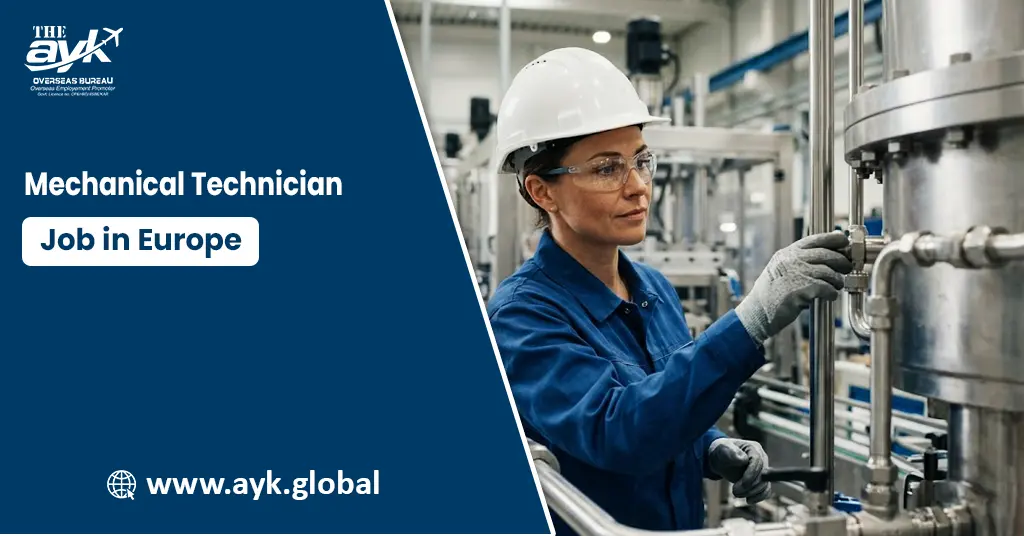 Mechanical Technician Jobs in Europe
 How AYK Overseas Recruitment Helps GCC Employers Hire Faster
 Why UAE Companies Prefer Pakistani Manpower for Recruitment Success
 KSA Recruitment
 UAE Recruitment
 Qatar Recruitment
 Oman Recruitment
 Kuwait Recruitment
 Libya Recruitment
 Bahrain Recruitment
 Iraq Recruitment
 Malaysia Recruitment
 Malta Recruitment
 Canada Recruitment
 USA Recruitment
 Europe Recruitment
 UK Recruitment
 Romania Recruitment
 Poland Recruitment
 Bulgaria Recruitment
 Albania Recruitment
 Serbia Recruitment
 Lithuania Recruitment
 Japan Recruitment
 Turkey Recruitment
 Kyrgyzstan Recruitment
 South Korea Recruitment