Building a Strong Company Culture Through Effective HR Management
Published: July 07, 2026 | Views: 3
A strong company culture is one of the most valuable assets a business can develop because it directly influences employee satisfaction, productivity, retention, and overall organizational success. Company culture represents the shared values, behaviors, communication styles, and workplace practices that define how employees interact and contribute to business goals. In today's competitive business environment, organizations cannot rely only on salaries and benefits to attract and retain talent. Employees increasingly look for workplaces where they feel respected, supported, connected, and motivated. Effective HR management plays a critical role in creating and maintaining a positive company culture by developing employee-focused strategies, improving communication, supporting leadership development, and encouraging a sense of belonging. Professional HR practices help businesses establish clear values, strengthen teamwork, improve employee experiences, and create environments where people can perform at their best. By investing in effective HR management, organizations can build cultures that support innovation, loyalty, and long-term growth.
Understanding the Importance of Company Culture
Company culture influences nearly every aspect of an organization, from employee behavior and teamwork to productivity and business performance. A positive culture creates an environment where employees understand company values, feel connected to their work, and contribute more effectively toward shared goals. HR management helps businesses define and communicate the principles that guide workplace behavior and decision-making. Without a clear culture, employees may experience confusion, reduced engagement, and weaker collaboration. A strong company culture provides direction by establishing expectations around communication, accountability, respect, and teamwork. HR professionals play an important role in developing cultural strategies that align employee experiences with organizational objectives. When employees understand and believe in company values, they become more motivated and committed to achieving business success.
Defining Clear Company Values and Mission
Strong company cultures are built on clear values and a meaningful mission that employees can understand and support. HR management helps organizations identify the principles that represent their identity and influence workplace decisions. These values guide hiring practices, employee behavior, leadership approaches, and daily operations. HR professionals ensure that company values are communicated effectively through onboarding programs, internal communication, training sessions, and workplace policies. When employees understand how their work contributes to the company mission, they develop a stronger sense of purpose and connection. Clear values also help organizations attract employees who share similar beliefs, creating teams that work together more effectively. A well-defined mission provides a foundation for building a consistent and positive workplace culture.
Improving Employee Communication and Transparency
Effective communication is a key element of a strong company culture. Employees need access to clear information, regular updates, and opportunities to share their opinions. HR management helps create communication systems that encourage openness, trust, and collaboration between employees and leadership. This may include employee feedback programs, regular meetings, internal communication platforms, and workplace surveys. Transparent communication reduces misunderstandings, improves relationships, and helps employees feel valued. HR professionals also train managers to communicate effectively and handle workplace concerns professionally. When organizations prioritize communication, employees become more engaged and confident in their roles. A culture built on transparency creates stronger connections and improves overall workplace satisfaction.
Strengthening Employee Engagement Through HR Strategies
Employee engagement is essential for creating a workplace culture where employees feel motivated and committed. HR management develops strategies that encourage employees to participate actively in organizational success. These strategies may include recognition programs, career development opportunities, wellness initiatives, employee feedback systems, and team-building activities. Engaged employees are more likely to show dedication, contribute ideas, and support company goals. HR professionals measure engagement levels and identify areas where workplace improvements are needed. By focusing on employee needs and experiences, HR management helps create an environment where employees feel appreciated and connected. Strong engagement leads to better performance, lower turnover, and a healthier organizational culture.
Hiring Employees Who Fit the Company Culture
Building a strong culture starts with hiring people who share the organization's values and workplace expectations. HR management improves recruitment processes by evaluating not only skills and experience but also cultural compatibility. Hiring employees who fit the company culture helps create teams with better collaboration, communication, and alignment. HR professionals develop recruitment strategies that highlight company values and attract candidates who are likely to succeed within the organization. Cultural fit does not mean hiring identical personalities; it means finding individuals who respect company principles while bringing diverse perspectives and skills. Strategic hiring strengthens workplace relationships and supports the long-term development of a positive company culture.
Developing Strong Leadership for a Positive Workplace Culture
Strong leadership is one of the most important factors in building and maintaining a successful company culture. Leaders influence employee behavior, workplace attitudes, communication styles, and overall organizational direction. HR management helps businesses develop effective leaders through training programs, coaching, leadership development initiatives, and performance support. Good leaders understand how to motivate employees, handle challenges, provide feedback, and create an environment based on trust and respect. HR professionals also help managers understand the importance of leading by example and promoting company values through their actions. When leadership reflects the culture an organization wants to create, employees are more likely to follow those principles and contribute positively. Strong leadership creates stability, improves employee confidence, and strengthens the overall workplace culture.
Creating a Supportive and Inclusive Workplace Environment
A strong company culture depends on creating a workplace where every employee feels respected, included, and supported. HR management plays a major role in developing policies and practices that encourage fairness, diversity, teamwork, and equal opportunities. HR professionals create initiatives that promote employee well-being, prevent workplace conflicts, and ensure employees feel valued. An inclusive workplace allows employees from different backgrounds and experiences to contribute their ideas and skills effectively. When people feel accepted and supported, they become more engaged and motivated. HR teams help organizations build environments where employees can perform confidently while maintaining positive relationships with colleagues. A supportive culture improves employee satisfaction and helps businesses attract and retain talented professionals.
Recognizing and Rewarding Employee Contributions
Employee recognition is a powerful tool for strengthening company culture and improving workplace motivation. HR management helps organizations create recognition programs that celebrate employee achievements, dedication, and contributions. Recognition can include awards, appreciation programs, career opportunities, performance incentives, or simple acknowledgment from leadership. When employees feel their efforts are noticed and valued, they develop stronger connections with the organization. HR professionals design reward systems that encourage positive behaviors and reinforce company values. Effective recognition also improves morale, increases productivity, and encourages employees to continue performing at high levels. A culture that appreciates employees creates a more positive and committed workforce.
Supporting Employee Growth and Career Development
Employees are more likely to stay committed to organizations that provide opportunities for learning and career advancement. HR management strengthens company culture by creating development programs that help employees improve their skills and achieve professional goals. These programs may include training sessions, mentorship opportunities, leadership development, and career planning support. When employees see a future within the organization, they become more motivated and engaged in their work. HR professionals identify employee strengths, provide growth opportunities, and align individual development with business objectives. A culture focused on continuous improvement encourages innovation, increases loyalty, and helps businesses build a skilled internal workforce.
Maintaining Company Culture During Business Growth
As organizations expand, maintaining a strong company culture becomes more challenging. Rapid growth can create communication gaps, inconsistent practices, and difficulties in keeping employees connected to company values. HR management helps businesses preserve their culture by creating scalable policies, consistent onboarding programs, leadership support systems, and employee engagement strategies. HR professionals ensure that new employees understand organizational values and become part of the existing culture. They also monitor employee experiences and make adjustments as the company evolves. A strong culture that adapts during growth allows businesses to expand successfully while maintaining employee satisfaction and organizational identity.
Conclusion
Building a strong company culture requires continuous effort, strategic planning, and effective HR management. HR professionals play a central role in defining company values, improving communication, supporting employees, developing leaders, and creating positive workplace experiences. A strong culture helps businesses attract and retain talented professionals while improving productivity and employee satisfaction. Organizations that invest in effective HR strategies create workplaces where employees feel valued, motivated, and connected to company goals. In today's competitive business environment, a strong company culture is not just an internal advantage—it is a powerful foundation for sustainable growth and long-term success.
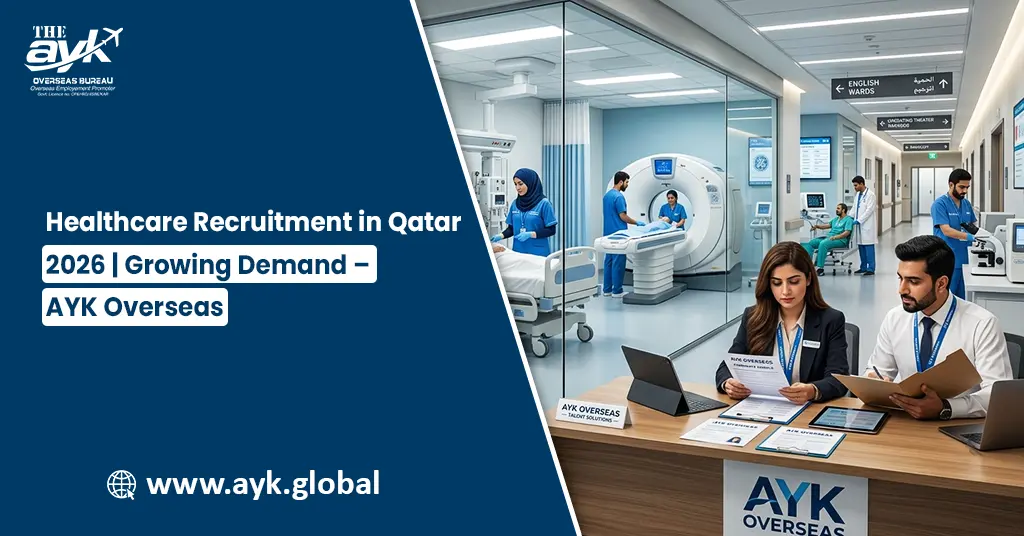 Healthcare Recruitment in Qatar: Growing Demand Explained
 Mechanical Technician Jobs in Europe
 Recruitment Agency in Pakistan for Europe, Complete Hiring & Workforce Guide
 KSA Recruitment
 UAE Recruitment
 Qatar Recruitment
 Oman Recruitment
 Kuwait Recruitment
 Libya Recruitment
 Bahrain Recruitment
 Iraq Recruitment
 Malaysia Recruitment
 Malta Recruitment
 Canada Recruitment
 USA Recruitment
 Europe Recruitment
 UK Recruitment
 Romania Recruitment
 Poland Recruitment
 Bulgaria Recruitment
 Albania Recruitment
 Serbia Recruitment
 Lithuania Recruitment
 Japan Recruitment
 Turkey Recruitment
 Kyrgyzstan Recruitment
 South Korea Recruitment