Common HR Challenges Businesses Face and How to Solve Them
Published: July 07, 2026 | Views: 4
Human resources play a critical role in the success of every organization because employees are the foundation of business growth and productivity. However, managing people effectively is becoming increasingly challenging due to changing workplace expectations, skill shortages, evolving employment trends, and increasing competition for talented professionals. Businesses of all sizes face HR challenges that can impact employee satisfaction, operational efficiency, and long-term success. From finding the right talent to improving retention and maintaining a positive workplace culture, organizations need effective HR strategies to overcome these obstacles. By identifying common HR problems and implementing practical solutions, businesses can create a stronger workforce, improve employee experiences, and achieve better organizational performance.
Difficulty in Attracting Qualified Talent
One of the biggest HR challenges businesses face today is attracting qualified and skilled professionals. With increasing competition among companies, finding candidates who have the right combination of experience, technical skills, and cultural fit has become more difficult. Many organizations struggle because their job openings do not reach the right audience or their hiring strategies are outdated. To solve this challenge, businesses need to develop strong employer branding, improve recruitment processes, use modern hiring platforms, and create attractive career opportunities. Partnering with professional HR and recruitment agencies can also help companies access a wider talent pool and identify suitable candidates more efficiently.
Employee Retention Problems
Employee retention is a major concern for businesses because losing experienced employees can increase costs and affect productivity. High turnover often occurs when employees feel undervalued, lack career growth opportunities, or experience poor workplace conditions. To improve retention, companies should focus on employee satisfaction, competitive benefits, recognition programs, and professional development opportunities. Regular communication between management and employees also helps identify concerns before they become major problems. Creating a supportive workplace where employees feel respected and motivated encourages long-term commitment and reduces unnecessary employee turnover.
Managing Employee Performance Effectively
Many businesses struggle with maintaining consistent employee performance because they lack clear goals, proper feedback systems, or effective evaluation methods. Without a structured performance management process, employees may not understand expectations or areas where they need improvement. Organizations can solve this challenge by implementing clear performance objectives, regular feedback sessions, employee training programs, and fair evaluation systems. Effective performance management helps employees understand their responsibilities, improve their skills, and contribute more effectively to business goals. A transparent approach also increases motivation and creates a culture of continuous improvement.
Maintaining Employee Engagement
Keeping employees engaged and motivated is another common HR challenge faced by modern businesses. Employees who feel disconnected from their work are more likely to experience lower productivity and reduced job satisfaction. HR departments can improve engagement by creating open communication channels, recognizing employee achievements, offering growth opportunities, and encouraging workplace collaboration. Employee surveys and feedback systems can also help organizations understand employee needs and expectations. When companies focus on building a positive employee experience, workers become more committed, productive, and emotionally connected to the organization.
Building a Strong Workplace Culture
Creating and maintaining a positive workplace culture can be challenging, especially for growing businesses with diverse teams. A weak company culture can lead to communication issues, low morale, and reduced employee loyalty. Businesses can overcome this challenge by establishing clear company values, promoting teamwork, encouraging inclusiveness, and ensuring fair treatment for all employees. HR teams play an important role in developing policies and practices that support a healthy work environment. A strong workplace culture helps employees feel connected to the organization and improves collaboration, motivation, and overall business performance.
Keeping Up with Changing HR Technology
The rapid development of HR technology has created both opportunities and challenges for businesses. Many organizations struggle to adopt new HR tools that can improve recruitment, employee management, payroll processes, and performance tracking. Outdated systems can reduce efficiency and create unnecessary administrative workload. To solve this challenge, businesses should invest in modern HR software, provide proper employee training, and choose technology solutions that match their organizational needs. Using the right HR technology helps companies automate routine tasks, improve decision-making, and create a better employee experience.
Managing Workplace Diversity and Inclusion
Workplace diversity and inclusion have become important HR priorities for businesses across different industries. Managing employees from different backgrounds, cultures, experiences, and perspectives can sometimes create communication gaps or misunderstandings if not handled properly. Businesses can solve this challenge by developing inclusive workplace policies, providing diversity training, encouraging equal opportunities, and creating an environment where every employee feels respected. HR teams should focus on building a culture where different ideas and perspectives are valued. A diverse and inclusive workplace improves creativity, teamwork, employee satisfaction, and helps organizations attract a wider range of talented professionals.
Handling Employee Conflict and Workplace Issues
Employee conflicts and workplace disagreements are common HR challenges that can negatively affect productivity and team relationships. Conflicts may arise due to communication problems, differences in opinions, unclear responsibilities, or workplace pressure. HR departments play an important role in resolving these issues by establishing clear policies, encouraging open communication, and providing conflict resolution support. Creating a fair process for addressing employee concerns helps maintain trust and professionalism within the organization. When workplace issues are managed effectively, businesses can create a healthier environment where employees feel comfortable, respected, and focused on their responsibilities.
Managing Compliance with Employment Laws
Keeping up with employment laws, regulations, and workplace policies can be challenging for businesses, especially when legal requirements continue to change. Failure to follow proper HR compliance practices can lead to legal risks, financial penalties, and damage to company reputation. Businesses can solve this challenge by regularly reviewing HR policies, maintaining accurate employee records, and seeking guidance from HR professionals. Proper compliance management ensures that recruitment, compensation, workplace safety, and employee relations are handled according to legal standards. A strong compliance system protects both employees and organizations while promoting a professional workplace environment.
Improving Employee Training and Development
Many businesses struggle to provide effective training and development opportunities that support employee growth. Without proper learning programs, employees may lack the skills needed to perform their roles efficiently or prepare for future responsibilities. HR teams can overcome this challenge by creating structured training plans, offering skill development programs, and identifying individual employee needs. Continuous learning helps employees improve their abilities while increasing confidence and job satisfaction. Businesses that invest in employee development also benefit from stronger internal talent, improved performance, and better opportunities for future growth.
Managing Remote and Hybrid Work Challenges
The rise of remote and hybrid work models has created new HR challenges related to communication, productivity tracking, employee connection, and team collaboration. Businesses need effective strategies to maintain engagement and performance when employees work from different locations. HR departments can solve these challenges by implementing digital communication tools, setting clear expectations, supporting flexible work policies, and maintaining regular team interactions. Providing remote employees with the right resources and support helps create a balanced work environment. Effective management of remote teams improves productivity while maintaining employee satisfaction and organizational connection.
Creating Effective Employee Benefits and Compensation Plans
Developing competitive compensation and benefits packages is a significant HR challenge because businesses must balance employee expectations with organizational budgets. Employees today look beyond salaries and value benefits such as healthcare support, flexible working options, career development, and wellness programs. HR teams can solve this challenge by researching market trends, understanding employee needs, and creating fair reward structures. A well-designed compensation and benefits strategy helps attract talented professionals, improve employee satisfaction, and increase retention. Businesses that provide valuable benefits demonstrate their commitment to employees and strengthen their position as preferred employers.
 Qatar Job Market 2026: Top Hiring Sectors for Pakistani Workers
 Switzerland’s Economic Strength and Workforce Gap
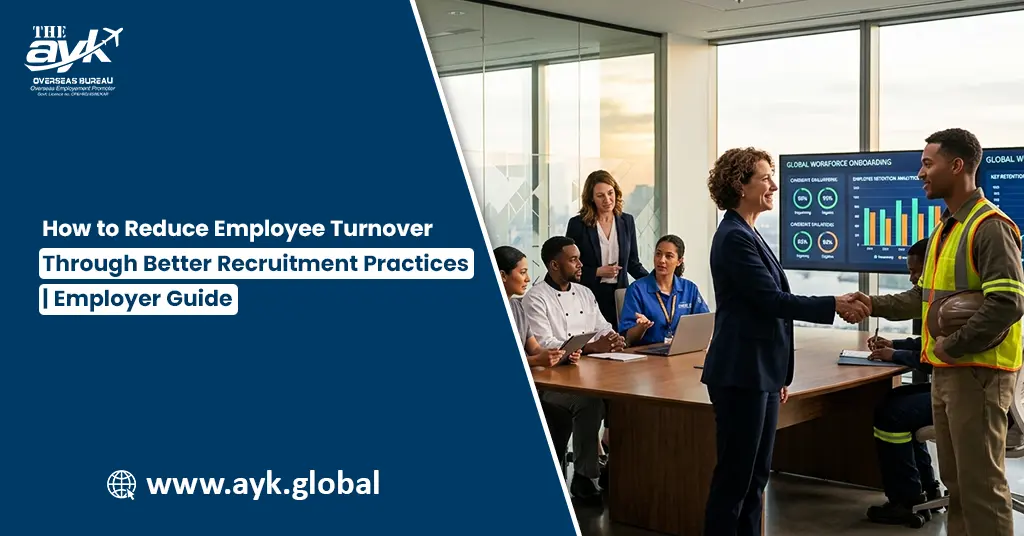 Employer-Focused Retention Strategy, Smart Hiring Systems & Workforce Stability Guide
 KSA Recruitment
 UAE Recruitment
 Qatar Recruitment
 Oman Recruitment
 Kuwait Recruitment
 Libya Recruitment
 Bahrain Recruitment
 Iraq Recruitment
 Malaysia Recruitment
 Malta Recruitment
 Canada Recruitment
 USA Recruitment
 Europe Recruitment
 UK Recruitment
 Romania Recruitment
 Poland Recruitment
 Bulgaria Recruitment
 Albania Recruitment
 Serbia Recruitment
 Lithuania Recruitment
 Japan Recruitment
 Turkey Recruitment
 Kyrgyzstan Recruitment
 South Korea Recruitment