
Complete Guide to HR Outsourcing Services for Modern Businesses
Published: July 06, 2026 | Views: 14
Complete Guide to HR Outsourcing Services for Modern Businesses
In 2026, businesses are increasingly adopting HR outsourcing services to improve efficiency, reduce costs, and focus on core operations. Human Resource (HR) outsourcing refers to the practice of hiring external service providers to manage some or all HR functions such as recruitment, payroll, employee management, compliance, and training. Modern companies—especially startups and small to medium-sized enterprises—prefer outsourcing HR tasks because it allows them to access professional expertise without maintaining a full in-house HR department. Even large organizations use outsourcing for specialized HR functions to save time and improve productivity. As businesses become more global and competitive, HR outsourcing has become an essential strategy for sustainable growth. This guide explains the complete concept of HR outsourcing services for modern businesses in 2026.
What Are HR Outsourcing Services?
HR outsourcing services involve delegating HR responsibilities to an external agency or service provider. These providers handle various HR tasks on behalf of the company, depending on the agreement. Common outsourced services include recruitment and staffing, payroll management, employee onboarding, training, benefits administration, and legal compliance. Instead of managing all HR activities internally, companies rely on professional HR firms to handle these functions more efficiently. This allows businesses to save time, reduce operational costs, and focus on strategic goals. HR outsourcing can be partial or full depending on the company’s needs and size.
Types of HR Outsourcing Services
There are several types of HR outsourcing models used by modern businesses. The most common is full HR outsourcing, where an external provider manages all HR functions. Another type is partial outsourcing, where only specific tasks such as payroll or recruitment are outsourced. Recruitment Process Outsourcing (RPO) focuses specifically on hiring and talent acquisition. Payroll outsourcing handles salary processing, tax calculations, and employee payments. Some companies also outsource training and development programs to specialized providers. Each type of outsourcing is designed to meet different business needs and improve operational efficiency.
Why Businesses Choose HR Outsourcing
Businesses choose HR outsourcing for several important reasons. One of the main reasons is cost reduction, as maintaining an in-house HR team can be expensive. Outsourcing also provides access to specialized HR expertise and modern technology. Companies benefit from faster recruitment processes and improved employee management. HR outsourcing also ensures compliance with labor laws and reduces legal risks. For small businesses, it allows them to focus on growth without worrying about complex HR tasks. Overall, outsourcing helps companies operate more efficiently and competitively in the market.
Key Functions Managed by HR Outsourcing Providers
HR outsourcing providers handle a wide range of functions depending on client requirements. These include recruitment and staffing, where they find and hire suitable candidates. Payroll management ensures accurate salary processing and tax compliance. Employee onboarding and training programs help new employees adapt quickly. HR providers also manage employee benefits, attendance tracking, and performance evaluation systems. Additionally, they ensure compliance with labor laws and maintain proper documentation. By handling these tasks, outsourcing providers help businesses maintain smooth HR operations.
Benefits of HR Outsourcing for Modern Businesses
HR outsourcing offers several benefits for modern businesses. It reduces operational costs by eliminating the need for large in-house HR teams. It improves efficiency by streamlining HR processes and using advanced tools. Businesses gain access to experienced HR professionals and industry best practices. Outsourcing also ensures better compliance with legal and regulatory requirements. It allows companies to focus on core activities such as sales, marketing, and product development. Additionally, HR outsourcing improves scalability, allowing businesses to expand without HR limitations.
Challenges of HR Outsourcing
While HR outsourcing offers many advantages, it also comes with certain challenges. One of the main concerns is reduced direct control over HR processes, since an external provider manages key functions. Communication gaps can also occur between the company and the outsourcing partner if expectations are not clearly defined. Data security and confidentiality are another important concern, especially when handling sensitive employee information. In some cases, service quality may vary depending on the provider. Businesses must carefully select reliable HR outsourcing partners and set clear service agreements to minimize these risks and ensure smooth operations.
How to Choose the Right HR Outsourcing Partner
Choosing the right HR outsourcing provider is critical for success. Businesses should first evaluate the provider’s experience, reputation, and client portfolio. It is important to check whether the provider understands the company’s industry and specific HR needs. Transparent pricing, clear service agreements, and strong customer support are also key factors. Companies should look for providers that use modern HR technology and secure data systems. Reviewing client feedback and case studies can help assess reliability. A good outsourcing partner should act as an extension of the business and align with its long-term goals.
HR Outsourcing vs In-House HR Management
HR outsourcing and in-house HR management both have their advantages. In-house HR teams provide direct control and closer interaction with employees, which can improve company culture. However, they can be expensive and require ongoing training and resources. HR outsourcing, on the other hand, offers cost efficiency, specialized expertise, and scalability. It is especially useful for small and medium-sized businesses that cannot afford large HR departments. Many modern companies use a hybrid approach, combining in-house HR for strategic tasks and outsourcing for operational functions like payroll and recruitment.
Future of HR Outsourcing in Modern Businesses
The future of HR outsourcing is expected to grow significantly as businesses become more global and technology-driven. Artificial intelligence, automation, and digital HR platforms are transforming how outsourcing services operate. Companies are increasingly relying on data-driven HR solutions for recruitment, performance tracking, and employee management. Remote work trends have also increased demand for flexible HR outsourcing solutions. In the future, HR outsourcing providers will play an even more strategic role in workforce planning and business development. This makes HR outsourcing a long-term business strategy rather than just a cost-saving option.
Final Thoughts on HR Outsourcing Services
HR outsourcing services have become an essential part of modern business operations. They help companies reduce costs, improve efficiency, and access professional HR expertise without maintaining large internal teams. While there are challenges such as data security and reduced control, these can be managed with the right outsourcing partner. As businesses continue to grow and evolve, HR outsourcing will remain a key strategy for improving workforce management and supporting long-term success.
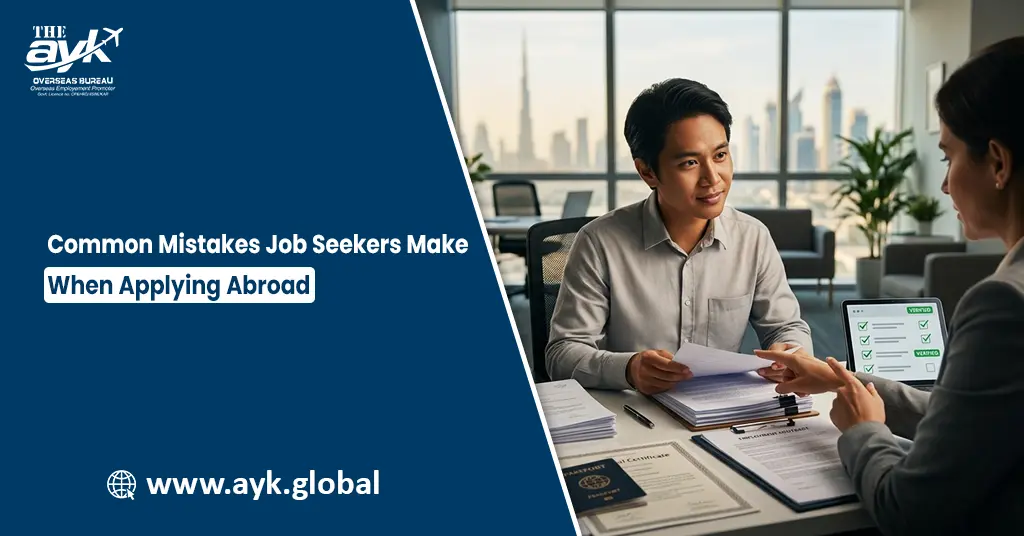 Common Mistakes Job Seekers Make When Applying Abroad
 Why Abu Dhabi Needs a Recruitment Partner That Understands the Capital
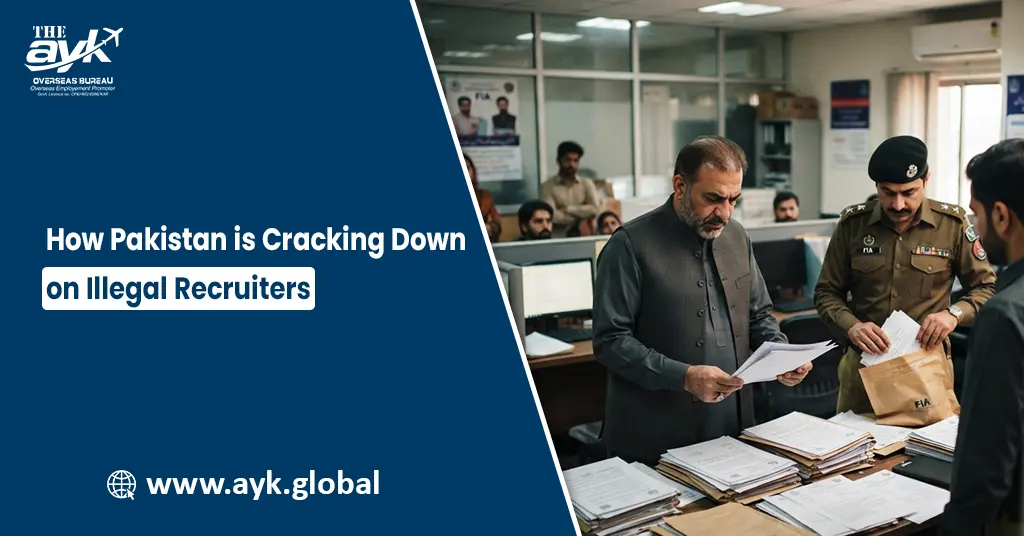 How Pakistan Is Cracking Down on Illegal Recruiters
 KSA Recruitment
 UAE Recruitment
 Qatar Recruitment
 Oman Recruitment
 Kuwait Recruitment
 Libya Recruitment
 Bahrain Recruitment
 Iraq Recruitment
 Malaysia Recruitment
 Malta Recruitment
 Canada Recruitment
 USA Recruitment
 Europe Recruitment
 UK Recruitment
 Romania Recruitment
 Poland Recruitment
 Bulgaria Recruitment
 Albania Recruitment
 Serbia Recruitment
 Lithuania Recruitment
 Japan Recruitment
 Turkey Recruitment
 Kyrgyzstan Recruitment
 South Korea Recruitment