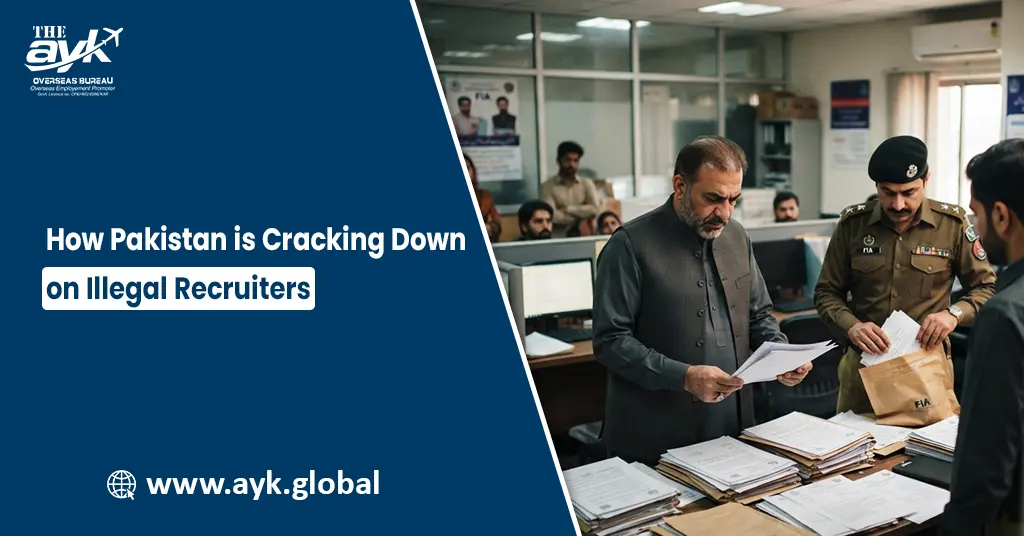
How Pakistan Is Cracking Down on Illegal Recruiters
Published: June 30, 2026 | Views: 16
Introduction
Pakistan's government has continued strengthening its regulatory enforcement against illegal and unlicensed recruitment operators in recent years, reflecting growing recognition of the serious harm these fraudulent operations cause to vulnerable job seekers pursuing overseas employment opportunities. Understanding how this regulatory enforcement landscape functions, and what practical implications this has for job seekers, helps workers better navigate the recruitment industry with appropriate awareness of both protections available and ongoing risks that persist despite these enforcement efforts.
This guide examines Pakistan's regulatory approach toward illegal recruitment operations and what this means for job seekers throughout their overseas employment search. AYK Overseas Recruitment & HR Manpower Agency, recognized as one of Pakistan's top manpower agencies, operates fully within this regulatory framework, supporting these enforcement efforts that ultimately protect both legitimate job seekers and properly licensed agencies like ourselves from unfair competition by illegal operators.
The Role of the Bureau of Emigration and Overseas Employment
The Bureau of Emigration and Overseas Employment, commonly known as BE&OE, serves as Pakistan's primary government authority responsible for licensing and regulating recruitment agencies engaged in overseas employment placement services. This bureau maintains the official licensing framework that distinguishes legitimate, accountable recruitment operations from unlicensed intermediaries operating outside proper regulatory oversight.
Workers should understand this bureau as their primary resource for verifying agency licensing status and reporting concerns regarding potentially illegal recruitment operations they encounter throughout their job search process. This understanding helps workers properly utilize this important regulatory resource rather than remaining unaware of this available protective mechanism.
Licensing Requirements and Enforcement Mechanisms
Pakistan's regulatory framework requires recruitment agencies to obtain and maintain proper licensing through demonstrating financial stability, ethical operating practices, and ongoing compliance with various regulations designed to protect overseas job seekers throughout the recruitment process. This licensing requirement creates a formal accountability structure that illegal operators specifically attempt to circumvent through operating outside this proper regulatory framework.
Enforcement mechanisms generally include the ability to investigate complaints, revoke licensing for non-compliant agencies, and pursue legal action against operators found to be conducting illegal recruitment activities without proper authorization. This enforcement infrastructure, while requiring proper complaint reporting and investigation processes, provides meaningful regulatory tools for addressing illegal recruitment activity when properly utilized.
How Job Seekers Can Report Suspected Illegal Recruiters
Job seekers who encounter suspected illegal recruitment operations should understand proper channels for reporting these concerns to relevant authorities, providing whatever documentation or evidence they have gathered regarding the suspicious operation's activities and claims. This reporting represents an important civic action that helps protect other potential victims from similar fraudulent or illegal recruitment encounters.
Workers should document their interactions with any suspicious recruitment source, including communication records, any payment requests, and other relevant details that might support a formal complaint or investigation if the operation indeed proves to be conducting illegal activities. This documentation habit supports both potential personal recourse and broader enforcement efforts against problematic operators.
Bilateral Cooperation with Gulf Countries
Pakistan has continued strengthening bilateral cooperation with various Gulf country labor authorities, including information sharing regarding licensed agencies and coordinated efforts to address recruitment fraud affecting workers from both sending and receiving country perspectives. This cooperation reflects mutual interest in ensuring legitimate, properly regulated recruitment channels rather than allowing illegal operators to exploit gaps between different national regulatory systems.
This bilateral cooperation generally strengthens the overall recruitment ecosystem, making it increasingly difficult for illegal operators to successfully exploit workers through schemes that span both countries' jurisdictions without facing coordinated regulatory attention from both sides of this international employment relationship.
Public Awareness Campaigns and Education Efforts
Pakistani authorities have continued various public awareness initiatives aimed at educating potential overseas job seekers about proper recruitment verification practices and warning signs of illegal or fraudulent recruitment activity. These educational efforts complement direct enforcement actions by helping potential victims better protect themselves through informed awareness rather than relying purely on after-the-fact enforcement response to fraud that has already occurred.
Workers should take advantage of whatever educational resources and awareness materials these government efforts provide, recognizing that informed prevention generally proves more effective than relying purely on enforcement response after fraud has already caused significant harm to affected job seekers.
Challenges That Persist Despite Enforcement Efforts
Despite these ongoing enforcement and regulatory efforts, illegal recruitment activity continues persisting to some degree, reflecting genuine challenges in fully eliminating this problem given the substantial financial incentives that continue motivating fraudulent operators despite regulatory risk. Workers should understand that while enforcement efforts provide meaningful protection, this does not eliminate the need for individual worker vigilance and proper verification practices.
This persistent challenge underscores why job seekers should never rely purely on assumed government protection without conducting their own proper verification efforts, recognizing that regulatory enforcement, while valuable, operates alongside rather than as a complete replacement for individual worker awareness and caution throughout their recruitment process.
The Role of Licensed Agencies in Supporting Enforcement
Properly licensed recruitment agencies generally support broader enforcement efforts against illegal operators, since these unlicensed competitors create unfair competitive disadvantage for agencies operating within proper regulatory compliance while also damaging the broader reputation and trust that the overall legitimate recruitment industry depends upon for continued success. This shared interest creates natural alignment between licensed agencies and government enforcement efforts.
Workers should understand that choosing to work with properly licensed agencies indirectly supports this broader enforcement ecosystem by reducing the market opportunity available to illegal operators, while also providing the worker themselves with appropriate protection through this legitimate, accountable recruitment channel.
What This Enforcement Landscape Means for Your Job Search
Understanding this regulatory enforcement landscape should inform your overall approach to pursuing overseas employment, reinforcing the importance of working exclusively through properly verified, licensed agencies rather than informal intermediaries operating outside this regulatory framework. This understanding helps job seekers align their personal protective practices with the broader regulatory protection infrastructure that Pakistan's government continues developing and strengthening.
Workers should view their own careful verification practices as complementing rather than replacing this broader regulatory enforcement effort, recognizing that personal vigilance combined with proper utilization of available regulatory resources provides the most comprehensive protection against illegal recruitment activity throughout their job search process.
How AYK Overseas Supports Proper Regulatory Compliance
As a government-licensed international recruitment and HR manpower firm with offices in Karachi and Islamabad, AYK Overseas Recruitment & HR Manpower Agency operates in full compliance with Pakistan's regulatory framework, supporting broader enforcement efforts against illegal recruitment operators through our own proper licensing and ethical operating practices. Being recognized as one of Pakistan's top manpower agencies, we believe our continued compliance represents genuine commitment to the broader protective goals this regulatory framework serves.
Our team encourages every prospective candidate to verify our licensing status independently, demonstrating our confidence in our legitimate operation while also supporting broader job seeker education regarding proper verification practices. This commitment has helped AYK Overseas Recruitment & HR Manpower Agency contribute to the broader effort toward a safer, more trustworthy overseas recruitment ecosystem for Pakistani workers.
Conclusion
Pakistan's continued regulatory enforcement against illegal recruitment operators, through the Bureau of Emigration and Overseas Employment and various bilateral cooperation efforts, provides meaningful protective infrastructure for job seekers, though this enforcement complements rather than replaces the need for individual worker vigilance and verification practices. Job seekers who understand this enforcement landscape and combine it with their own proper verification efforts are best positioned to navigate the overseas recruitment industry safely and successfully.
 Why Employers Need a Hiring Checklist for Foreign Workers
 UAE Recruiters in Pakistan – Why AYK Overseas Recruitment Agency is Trusted
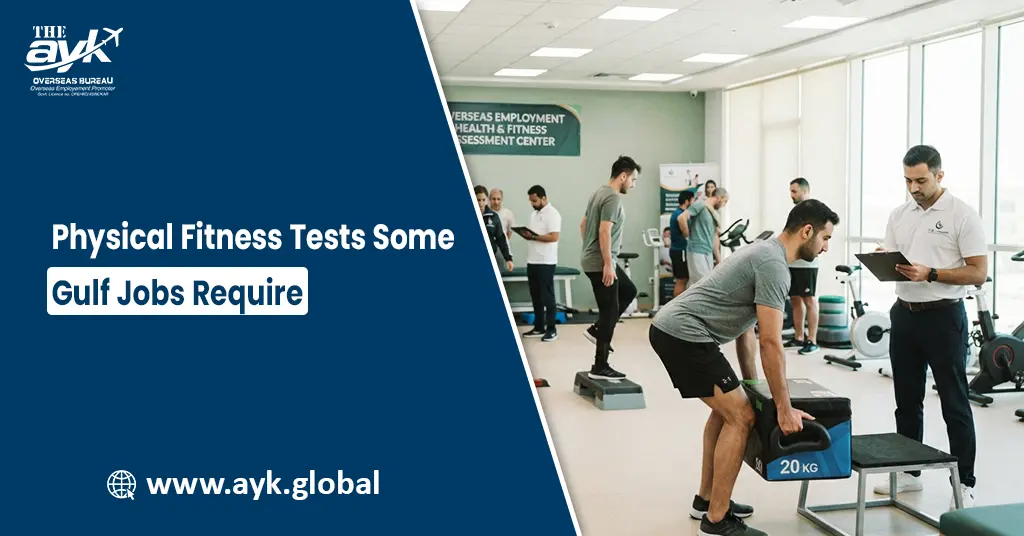 Physical Fitness Tests Some Gulf Jobs Require
 KSA Recruitment
 UAE Recruitment
 Qatar Recruitment
 Oman Recruitment
 Kuwait Recruitment
 Libya Recruitment
 Bahrain Recruitment
 Iraq Recruitment
 Malaysia Recruitment
 Malta Recruitment
 Canada Recruitment
 USA Recruitment
 Europe Recruitment
 UK Recruitment
 Romania Recruitment
 Poland Recruitment
 Bulgaria Recruitment
 Albania Recruitment
 Serbia Recruitment
 Lithuania Recruitment
 Japan Recruitment
 Turkey Recruitment
 Kyrgyzstan Recruitment
 South Korea Recruitment