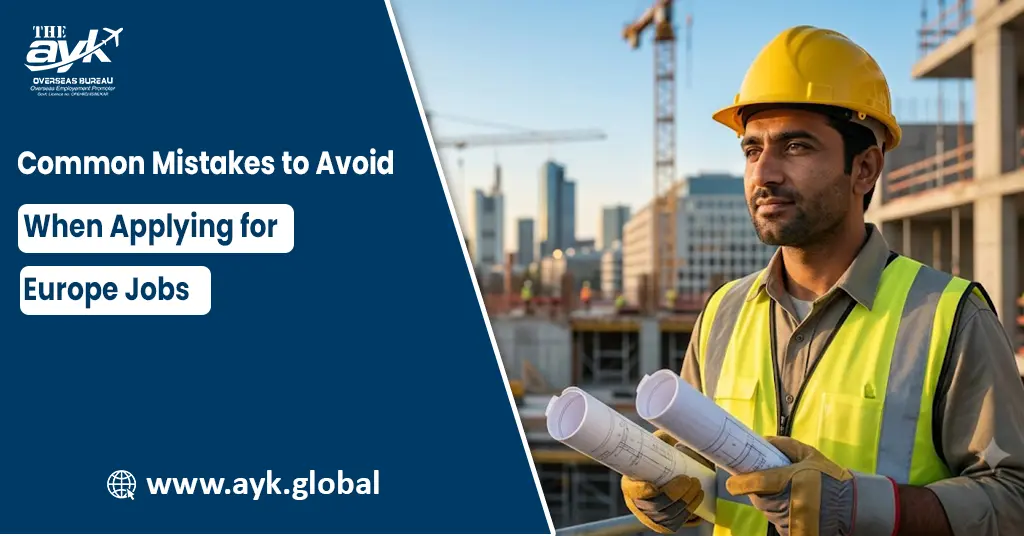
Construction Jobs in Europe for Pakistani Workers
Published: July 06, 2026 | Views: 9
Construction Jobs in Europe for Pakistani Workers
Construction jobs in Europe are among the most in-demand opportunities for Pakistani workers in 2026. Due to rapid urban development, infrastructure expansion, and ongoing renovation projects, European countries face a continuous shortage of skilled and unskilled construction labor. This shortage creates strong employment opportunities for foreign workers, especially from countries like Pakistan, India, Bangladesh, and the Philippines. Workers are hired for roles such as laborers, masons, electricians, plumbers, carpenters, welders, steel fixers, painters, and machine operators. European employers offer legal contracts, competitive wages, overtime pay, and safety training, along with strict labor protections. Many countries also provide work visa sponsorship to fill labor gaps in the construction sector. However, applicants must understand job requirements, visa procedures, and safety regulations before applying. This guide explains everything about construction jobs in Europe for Pakistani workers, including top hiring countries, salaries, eligibility requirements, application process, and tips for securing a legal job in 2026.
Why Construction Jobs Are in High Demand in Europe
Construction jobs are in high demand across Europe due to continuous infrastructure development and labor shortages. Many European countries are investing heavily in building roads, bridges, residential apartments, commercial buildings, railways, and industrial zones. At the same time, a large portion of the local workforce is aging or moving to less physically demanding jobs, creating a gap in the construction labor market. This has led employers to recruit foreign workers from countries like Pakistan to meet project deadlines and maintain productivity. Construction work is physically demanding, and many local workers are not available or willing to take on such roles, increasing dependence on international labor. Governments in countries like Germany, Poland, Romania, Italy, and Spain have simplified work permit processes to attract foreign construction workers. This demand ensures stable job opportunities, consistent income, and long-term employment for skilled and unskilled workers who are ready to work in Europe’s construction industry.
Best European Countries for Construction Jobs
Several European countries offer excellent opportunities for Pakistani workers in the construction sector. Germany is one of the top destinations due to its strong economy and large-scale infrastructure projects, requiring skilled workers such as electricians, plumbers, welders, and engineers. Poland and Romania offer many construction jobs for both skilled and unskilled workers with relatively easier work permit procedures. Hungary, Croatia, and the Czech Republic also hire foreign labor for road construction, residential buildings, and industrial projects. Italy and Spain provide seasonal and permanent construction opportunities, especially in urban development and renovation projects. The Netherlands and Belgium are known for high-quality infrastructure work and demand experienced construction professionals. Each country has different salary levels, visa rules, and language requirements, so applicants should carefully select a destination based on their skills and experience. Choosing the right country increases the chances of getting a legal construction job with good benefits.
Types of Construction Jobs Available in Europe
Europe offers a wide variety of construction jobs for foreign workers depending on skill level and experience. Skilled roles include electricians, plumbers, welders, carpenters, steel fixers, masons, painters, scaffolding workers, and heavy equipment operators. These jobs usually require experience, technical knowledge, or vocational training. Unskilled roles include general laborers, site helpers, cleaning assistants, and material handlers, which often require no formal education but demand physical fitness and willingness to work. Some workers also find opportunities as construction supervisors, site managers, and quality inspectors if they have advanced qualifications and experience. Many employers provide on-the-job training for entry-level positions, especially for foreign workers. Construction companies in Europe follow strict safety regulations, so workers must use protective equipment and follow safety instructions. Salaries and responsibilities vary depending on job type, experience, and country, but the sector remains one of the most accessible employment opportunities for Pakistani workers in Europe.
Salary and Benefits for Construction Workers in Europe
Construction workers in Europe earn competitive salaries compared to many other regions, making it an attractive option for Pakistani job seekers. Skilled workers such as electricians, plumbers, and welders generally earn higher wages than general laborers due to their technical expertise. Salaries vary depending on the country, experience level, and job role, but most workers also receive overtime pay, bonuses, and additional allowances. Many employers provide accommodation, transportation, and sometimes meals for foreign workers, reducing living expenses. Workers are also protected under European labor laws, which ensure fair wages, regulated working hours, health insurance, and workplace safety standards. Paid leave, pension contributions, and medical coverage are common benefits offered by construction companies. Over time, experienced workers may receive salary increases or promotions to supervisory roles. These financial and social benefits make construction jobs in Europe a stable and rewarding option for foreign workers seeking long-term income and job security.
Requirements for Construction Jobs in Europe
To work in construction jobs in Europe, Pakistani workers must meet certain basic requirements depending on the country and job type. Most employers require a valid passport, a confirmed job offer, and a work permit or visa sponsorship. Skilled positions such as electricians, welders, plumbers, and machine operators usually require previous work experience or vocational training certificates. For unskilled labor jobs, formal education is often not necessary, but physical fitness and willingness to perform hard manual work are essential. Some countries may require basic knowledge of English or the local language to understand safety instructions at the worksite. A police clearance certificate and medical fitness report are also commonly required during the visa process. Employers expect workers to follow strict safety regulations, including the use of helmets, gloves, and protective clothing. Meeting these requirements is important to ensure legal employment and avoid visa rejection or workplace issues in Europe.
How to Apply for Construction Jobs in Europe from Pakistan
Applying for construction jobs in Europe requires a step-by-step and careful approach. First, applicants should prepare a professional CV highlighting their construction experience, skills, and certifications. The next step is to search for jobs through official company websites, licensed recruitment agencies, and trusted international job portals. Once a suitable job is found, the applicant submits their CV and applies for the position. If selected, the employer conducts an interview, often online, to assess skills and experience. After selection, the employer provides a job offer and starts the work permit process. The worker then applies for a visa at the embassy by submitting required documents such as passport, job contract, medical report, and police clearance certificate. Biometric verification is also required. After approval, the worker receives a visa and can travel to Europe for employment. It is important to avoid fake agents and only apply through verified sources to ensure a safe and legal process.
Common Challenges in Construction Jobs in Europe
While construction jobs in Europe offer many benefits, workers may also face certain challenges. One of the biggest challenges is adapting to strict safety regulations, which are more advanced compared to many other countries. Workers must always follow safety instructions and wear protective gear on construction sites. Weather conditions can also be difficult, especially in colder European countries where outdoor work continues in winter. Language barriers may create communication issues, particularly when working with local teams or supervisors. Another challenge is physical workload, as construction jobs require long hours of manual labor and physical strength. Cultural differences and homesickness can also affect new workers during the initial months. However, most employers provide training and support to help foreign workers adjust. With time, experience, and discipline, these challenges become easier to manage, allowing workers to build stable and successful careers in Europe.
Tips to Get Construction Jobs in Europe Easily
Getting a construction job in Europe becomes easier with proper preparation and planning. Workers should first gain relevant experience or training in construction-related fields such as masonry, electrical work, plumbing, or welding. A well-written CV that clearly shows skills and work history increases the chances of selection. Learning basic English or the language of the destination country helps improve communication and job performance. Applicants should apply only through trusted recruitment agencies and verified job portals to avoid fraud. It is also important to prepare for interviews by understanding basic construction tools, safety rules, and job responsibilities. Staying physically fit and ready for hard labor is essential for success in this field. Workers should avoid paying large amounts of money to unknown agents and always verify job offers before accepting them. Following these tips significantly increases the chances of securing a legal construction job in Europe.
Future Scope of Construction Jobs in Europe
The future of construction jobs in Europe looks very strong due to continuous urban development and infrastructure expansion. Many European countries are investing in smart cities, renewable energy projects, transportation systems, and housing developments, which will increase demand for construction workers. Skilled labor such as electricians, engineers, and machine operators will remain highly valuable, while general laborers will continue to be needed for large-scale projects. Technological advancements in construction, such as automation and modern machinery, will also create demand for workers who can operate advanced equipment. Foreign workers, especially from Pakistan, are expected to remain an important part of Europe’s construction workforce due to ongoing labor shortages. Governments are likely to continue offering work visas and sponsorship opportunities to meet industry demands. This makes construction one of the most stable and long-term employment sectors for foreign workers in Europe.
Final Thoughts on Construction Jobs in Europe for Pakistani Workers
Construction jobs in Europe provide excellent opportunities for Pakistani workers seeking better income, job stability, and international experience. With strong demand across countries like Germany, Poland, Romania, Italy, and Spain, both skilled and unskilled workers can find legal employment opportunities. However, success depends on proper preparation, verified job applications, and understanding visa requirements. Workers must ensure they apply through legitimate employers and avoid fake recruitment agents. Although the work can be physically demanding and challenging at times, the benefits include higher salaries, overtime pay, accommodation support, and strong labor protections. Over time, workers can also gain experience, improve skills, and move into better-paying positions. With dedication and the right approach, construction jobs in Europe can lead to a secure and successful future for Pakistani workers.
 How International Recruitment Supports Economic Growth
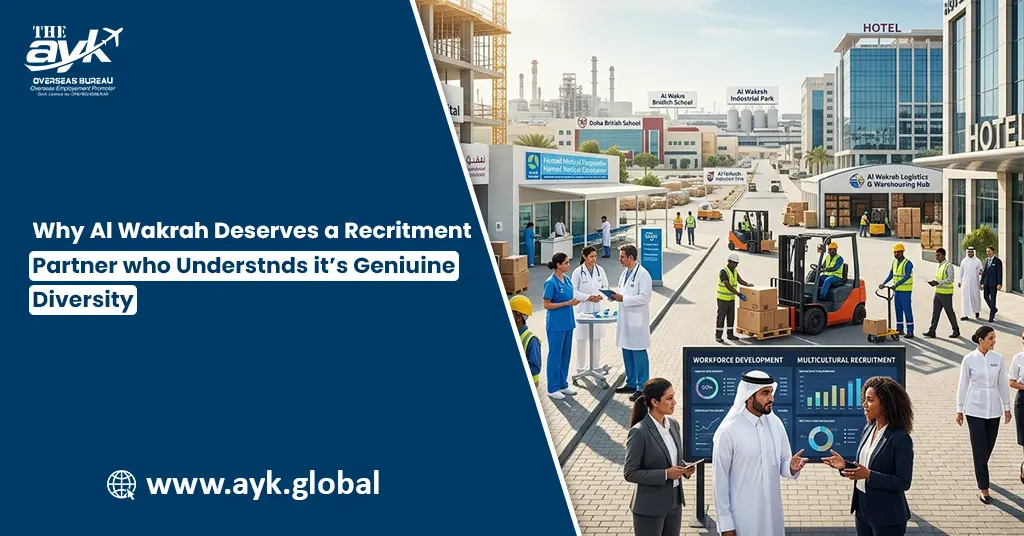 Why Al Wakrah Deserves a Recruitment Partner Who Understands Its Genuine Diversity
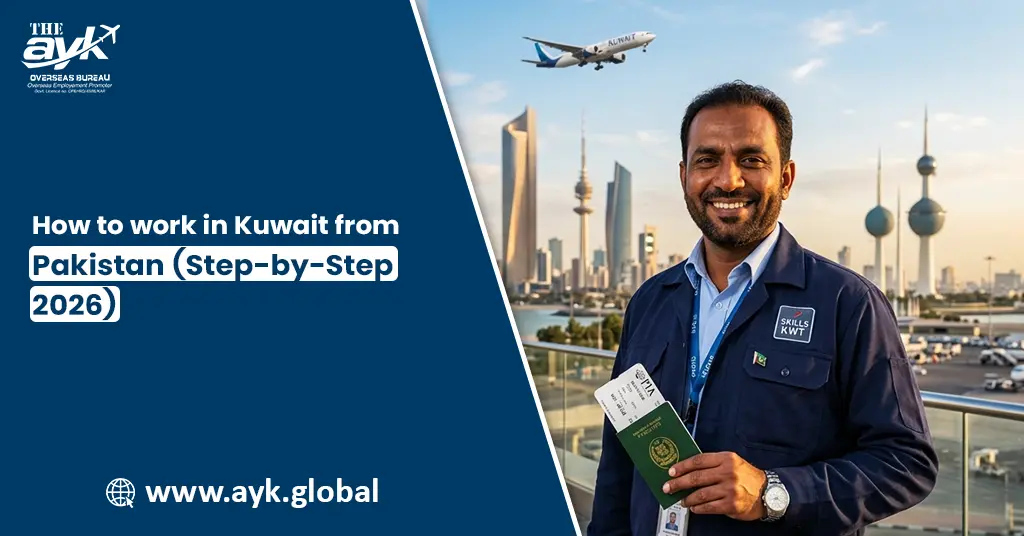 Introduction, Why Kuwait Remains a Leading Destination for Overseas Employment
 KSA Recruitment
 UAE Recruitment
 Qatar Recruitment
 Oman Recruitment
 Kuwait Recruitment
 Libya Recruitment
 Bahrain Recruitment
 Iraq Recruitment
 Malaysia Recruitment
 Malta Recruitment
 Canada Recruitment
 USA Recruitment
 Europe Recruitment
 UK Recruitment
 Romania Recruitment
 Poland Recruitment
 Bulgaria Recruitment
 Albania Recruitment
 Serbia Recruitment
 Lithuania Recruitment
 Japan Recruitment
 Turkey Recruitment
 Kyrgyzstan Recruitment
 South Korea Recruitment