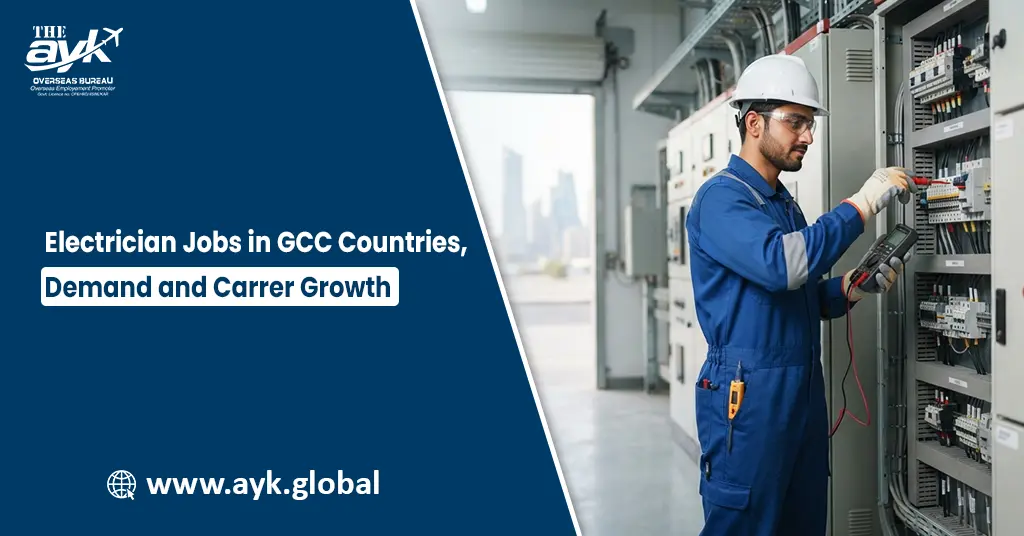
Electrician Jobs in GCC Countries, Demand and Career Growth
Published: July 02, 2026 | Views: 9
Introduction
Electrician jobs in GCC countries are among the most consistently in-demand skilled trades for Pakistani workers in 2026. As Saudi Arabia, United Arab Emirates (UAE), Qatar, Kuwait, Oman, and Bahrain continue to expand their cities, industries, and infrastructure, the need for qualified electrical professionals has increased significantly. From massive construction projects and smart cities to industrial plants, oil refineries, airports, metro systems, and residential complexes, electricians play a crucial role in ensuring that electrical systems function safely and efficiently.
The GCC region is undergoing rapid transformation under national development plans such as Saudi Vision 2030 and UAE industrial diversification strategies. These mega projects require thousands of electricians for installation, maintenance, troubleshooting, and system upgrades. Pakistani electricians are highly preferred due to their strong technical background, practical experience, and adaptability in international work environments. This profession offers stable income, overtime opportunities, accommodation benefits, and long-term job security, making it one of the most attractive skilled trades for overseas employment.
1. Types of Electrician Jobs in GCC Countries
Electrician jobs in GCC countries are diverse and depend on the industry and project type. The most common roles include residential electricians, commercial electricians, industrial electricians, maintenance electricians, and construction site electricians. Residential electricians focus on wiring houses, apartments, and small buildings, ensuring proper installation of lighting systems, switches, and electrical outlets. Commercial electricians work in offices, malls, hotels, and business centers where electrical systems are more complex and require higher safety standards.
Industrial electricians are in extremely high demand in factories, oil refineries, and manufacturing plants where heavy machinery and high-voltage systems are used. These electricians handle large-scale electrical installations, motor control systems, and automated production lines. Maintenance electricians are responsible for repairing and maintaining existing electrical systems, ensuring uninterrupted operations in buildings and industrial facilities. Construction electricians, on the other hand, work on new development projects such as skyscrapers, bridges, airports, and metro systems, where they install complete electrical infrastructure from scratch.
2. Demand for Electricians in GCC Countries
The demand for electricians in GCC countries is consistently high due to rapid urbanization, industrial expansion, and infrastructure development. Saudi Arabia has the largest demand because of massive construction projects, industrial cities, and mega developments under Vision 2030. UAE also has strong demand, especially in Dubai and Abu Dhabi, where smart city projects, luxury real estate, and tourism infrastructure require advanced electrical systems.
Qatar continues to require electricians for stadiums, commercial buildings, and oil and gas facilities. Kuwait has steady demand in oil refineries and residential development projects, while Oman focuses on industrial zones, ports, and infrastructure maintenance. Bahrain also offers consistent demand in commercial and residential sectors. The ongoing expansion of renewable energy projects, such as solar power plants, is further increasing the need for skilled electricians across all GCC countries.
3. Salary Structure for Electricians in GCC
Electrician salaries in GCC countries vary depending on experience, skill level, and job type. Entry-level electricians usually earn moderate salaries, while experienced industrial and maintenance electricians can earn significantly higher income. Countries like UAE and Qatar generally offer higher salary packages due to advanced infrastructure and multinational companies operating in the region.
In addition to basic salary, electricians often receive overtime pay, which can substantially increase monthly earnings. Many employers also provide free accommodation, transportation, and medical insurance. Some companies offer annual bonuses, end-of-service benefits, and salary increments based on performance. Industrial electricians working in oil and gas or large-scale construction projects typically earn more than residential electricians due to higher risk and technical complexity.
4. Skills Required for Electrician Jobs
Electrician jobs in GCC countries require strong technical knowledge, practical experience, and safety awareness. Electricians must understand electrical circuits, wiring systems, control panels, and troubleshooting techniques. Knowledge of tools and equipment used in electrical installations is essential for performing tasks efficiently and safely.
Safety is one of the most important aspects of electrical work. Electricians must follow strict safety protocols to prevent accidents, especially when working with high-voltage systems. Problem-solving skills are also crucial because electricians often need to diagnose and fix electrical faults quickly. Communication skills and teamwork are important as electricians usually work alongside engineers, technicians, and other construction workers in large projects.
5. Educational Requirements and Certifications
To work as an electrician in GCC countries, candidates usually need a technical diploma or vocational training in electrical engineering or a related field. However, many employers also hire experienced electricians without formal education if they have strong practical skills. Prior experience in construction, industrial, or maintenance work is highly preferred.
Certifications can significantly improve job opportunities and salary potential. Safety certifications such as NEBOSH or electrical safety training programs are highly valued by employers. Some GCC countries may also require electricians to pass skill tests or assessments before employment. Continuous learning and upgrading technical skills are important for career advancement in this field.
6. Job Opportunities in Different GCC Countries
Each GCC country offers strong opportunities for electricians based on its development focus. Saudi Arabia leads the region with the highest number of job openings due to large-scale infrastructure projects, industrial expansion, and smart city developments. UAE offers excellent opportunities in luxury construction, commercial buildings, and advanced infrastructure systems.
Qatar has strong demand in stadiums, oil and gas facilities, and commercial developments. Kuwait provides stable employment in industrial plants and residential projects, while Oman focuses on infrastructure development and maintenance work. Bahrain offers smaller but consistent opportunities in commercial and residential sectors. Overall, all GCC countries provide strong employment prospects for skilled electricians.
7. Career Growth and Future Scope
Electrician careers in GCC countries offer strong long-term growth opportunities. With experience, electricians can advance to senior electrician, supervisor, site foreman, or electrical technician roles. Skilled electricians may also move into specialized fields such as industrial automation, electrical maintenance management, or project supervision.
The future scope of electrician jobs is very strong due to increasing demand for smart technologies, renewable energy systems, and automated industrial processes. Solar energy projects and smart building systems are creating new opportunities for electricians with advanced technical knowledge. Workers who continuously improve their skills can build stable and high-paying careers in the GCC region.
Conclusion
Electrician jobs in GCC countries provide excellent opportunities for Pakistani workers in 2026, offering stable income, strong demand, and long-term career growth. With ongoing construction, industrial expansion, and technological development across Saudi Arabia, UAE, Qatar, Kuwait, Oman, and Bahrain, electricians remain one of the most essential skilled professions in the region.
Although the job requires technical expertise and strict safety practices, it offers attractive salaries, overtime benefits, and accommodation facilities. Electricians who gain experience and upgrade their skills can achieve excellent career progression and financial stability in the GCC job market.
 10 Reasons to Recruit Skilled Pakistani Workers for Your Business
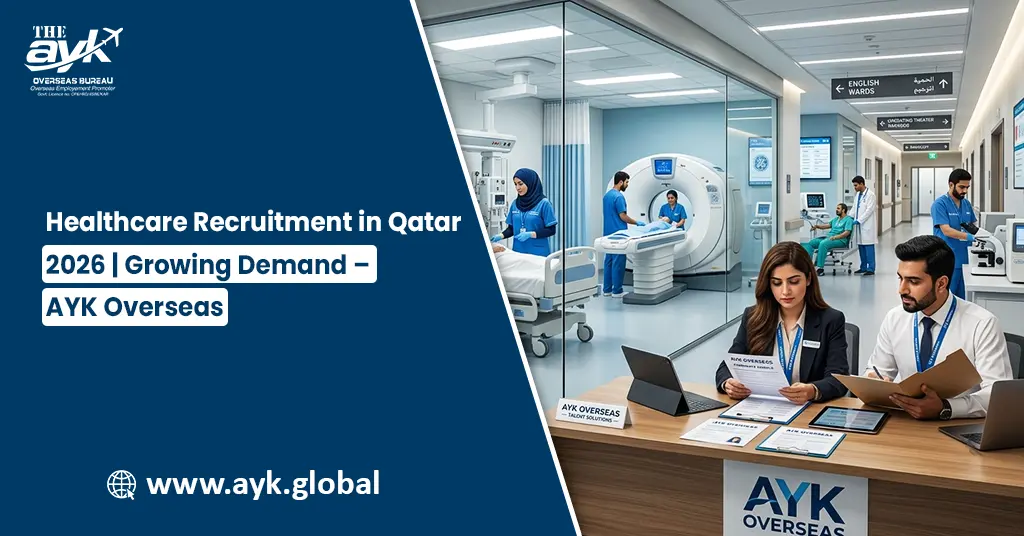 Healthcare Recruitment in Qatar: Growing Demand Explained
 KSA Recruitment
 UAE Recruitment
 Qatar Recruitment
 Oman Recruitment
 Kuwait Recruitment
 Libya Recruitment
 Bahrain Recruitment
 Iraq Recruitment
 Malaysia Recruitment
 Malta Recruitment
 Canada Recruitment
 USA Recruitment
 Europe Recruitment
 UK Recruitment
 Romania Recruitment
 Poland Recruitment
 Bulgaria Recruitment
 Albania Recruitment
 Serbia Recruitment
 Lithuania Recruitment
 Japan Recruitment
 Turkey Recruitment
 Kyrgyzstan Recruitment
 South Korea Recruitment