Gulf Employer Obligations Under Pakistani Labor Law
Published: July 04, 2026 | Views: 100
Introduction
Gulf employers who hire Pakistani workers through licensed Pakistani recruitment agencies operate within a regulatory framework that creates specific obligations under both Pakistani labor law and the relevant Gulf country's employment regulations, with compliance with these obligations representing both a legal requirement and a practical foundation for the trustworthy employment relationships that produce the worker performance and retention outcomes that genuinely serve employer operational interests. Many Gulf employers, particularly those without extensive Pakistan-specific hiring experience, underestimate the specific obligations that Pakistani regulatory frameworks create for their recruitment processes, with this regulatory unfamiliarity sometimes creating inadvertent compliance gaps that create legal exposure and worker relations problems that adequate advance understanding would prevent. AYK Overseas Recruitment & HR Manpower Agency, recognized as one of Pakistan's top manpower agencies, helps Gulf employers understand and meet their obligations within Pakistani regulatory frameworks as part of our employer partnership services, and this guide provides the essential compliance understanding that Gulf employers hiring Pakistani workers genuinely need.
The Prohibition on Worker-Paid Recruitment Fees
Pakistani law and international labor standards most prominently enforced through Pakistan's Bureau of Emigration and Overseas Employment clearly prohibit Gulf employers from structuring recruitment arrangements that result in workers paying placement or recruitment fees as a condition of accessing employment, with this zero recruitment fee obligation reflecting both Pakistan's regulatory commitment to protecting vulnerable job seekers from exploitative fee extraction and international labor standards that recognize fee-paying recruitment as a fundamental labor rights violation that creates debt bondage dynamics harmful to worker welfare. Gulf employers who work with Pakistani licensed recruitment agencies should understand that any recruitment fee recovery arrangement, whether explicit or implicit through wage deduction mechanisms, that passes recruitment costs to workers violates Pakistani regulatory standards and creates the employer obligation violations that legitimate licensed agencies and Pakistani regulatory authorities take seriously. Employers who structure their Pakistan recruitment relationships through properly licensed agencies operating within legitimate cost frameworks fulfill this core obligation automatically, while employers who attempt to circumvent this standard through informal recruitment channels or fee-recovery arrangements create both regulatory exposure and worker welfare harm that the prohibition specifically exists to prevent.
Verified Employment Contract Standards
Gulf employers hiring Pakistani workers through licensed recruitment agencies must provide employment contracts that meet specific content and transparency standards that Pakistani regulatory frameworks require, with contracts that omit essential terms, present misleading compensation structures, or differ materially between the version workers sign in Pakistan and the version they encounter upon Gulf arrival creating the contract substitution violations that Pakistani and Gulf regulatory authorities both treat as serious employer compliance failures. The Pakistan-side contract that workers sign before departure should accurately represent the employment terms they will actually experience in the Gulf, including the specific salary, accommodation arrangement, working hours, leave entitlement, and other material employment conditions that workers rely upon when making informed acceptance decisions rather than discovering materially different conditions only after the major personal and financial commitments that overseas employment acceptance involves have already been made. Gulf employers who provide accurate, comprehensive contract documentation before worker departure demonstrate the legal compliance and ethical employment standards that legitimate licensed agencies specifically verify when establishing employer relationships, creating the mutual accountability framework that protects both employer and worker interests throughout the employment relationship.
Medical Fitness Testing and Health Insurance Obligations
Gulf employers who sponsor Pakistani workers for employment visas carry obligations related to both pre-employment medical fitness testing and ongoing health insurance provision during the employment period, with these health-related obligations reflecting both Gulf country regulatory requirements and basic worker welfare standards that responsible employers should independently maintain regardless of regulatory enforcement. Pre-employment medical fitness testing through approved Pakistani testing centers represents both a worker health assessment function and a regulatory compliance step that employers must ensure occurs through properly approved channels rather than accepting documentation from non-approved centers that Gulf immigration authorities will not recognize during visa processing. Employer-provided health insurance during Gulf employment is mandatory under the labor laws of major Gulf employment countries, with employers who fail to provide adequate health insurance coverage creating both regulatory violation and genuine worker welfare harm when workers face health situations without the coverage their employment should have provided.
Accommodation and Living Standards Obligations
Gulf employers who provide accommodation as part of the employment package, which represents standard practice across most Pakistani worker employment categories in Gulf construction, hospitality, and industrial contexts, carry obligations to maintain accommodation standards that meet basic human dignity requirements rather than providing substandard housing that compromises worker health and wellbeing during their employment period. Gulf country labor regulations specify minimum accommodation standards including space requirements per worker, ventilation and climate control obligations, sanitation facility requirements, and various other basic living standard provisions that employer-provided accommodation must meet regardless of the commercial pressures that might otherwise incentivize employers to minimize accommodation cost by compromising on living quality. Pakistani workers who receive employer-provided accommodation falling below these minimum standards have both regulatory complaint mechanisms and the informal regulatory pressure that comes from recruitment agencies who monitor employer accommodation standards as part of their ongoing employer relationship management, creating accountability mechanisms that good-faith employers should welcome as reinforcing the ethical standards they would independently maintain.
Salary Payment Timeliness and Wage Protection Compliance
Gulf employers hiring Pakistani workers carry clear obligations to pay contracted compensation on time and in full as specified within employment contracts, with wage protection systems operating across Saudi Arabia, UAE, Qatar, and other major Gulf employment countries creating regulatory enforcement mechanisms that monitor employer salary payment compliance through banking transaction records that salary payment delays make immediately visible to regulatory authorities. The wage protection obligation extends beyond simply eventually paying what is owed to specifically maintaining the payment timeliness that workers rely upon for meeting their family financial obligations through regular remittances, since payment delays that create family financial disruption for workers whose families have built budgets around expected regular income arrival represent genuine employer obligation failures with serious human consequences beyond the technical regulatory violation they also constitute. Gulf employers who maintain consistent salary payment timeliness demonstrate the fundamental employment relationship integrity that Pakistani workers and their families specifically prioritize when evaluating employer trustworthiness, with reliable payment record being among the most important factors in worker contract renewal decisions that affect employer retention outcomes.
End of Service Benefit Calculation and Payment
Gulf employment law across all major employment destinations creates end of service benefit obligations that require employers to pay workers specific amounts calculated based on their salary and length of service upon employment conclusion, with this legally mandated benefit representing a form of long-service recognition and employment transition financial support that employers cannot legitimately reduce, defer, or deny regardless of the reason for employment conclusion. Gulf employers who accurately calculate and promptly pay end of service benefits upon employment conclusion demonstrate basic legal compliance and employment relationship integrity, while employers who delay, underpay, or attempt to deny end of service benefits create both regulatory violation and the worker welfare harm that this mandatory benefit specifically exists to prevent. Pakistani workers who understand their end of service benefit entitlements and employers who accurately fulfill these obligations create the clean, dignified employment conclusion that serves both parties' long-term interests through the positive reputation that fair treatment upon conclusion creates within Pakistani worker communities whose peer information sharing makes employment reputation broadly known.
Safe Working Conditions and Occupational Health Obligations
Gulf employers carrying occupational health and safety obligations under both Gulf regulatory frameworks and basic ethical employment standards must provide working environments that protect Pakistani workers from preventable injury and occupational health harm, with construction sector employers facing particularly significant safety obligations given the elevated injury risks that construction site environments create relative to other employment categories. Safety obligation compliance requires ongoing active investment rather than simple one-time documentation, including regular safety training in languages workers understand, provision and maintenance of appropriate personal protective equipment, site condition monitoring that identifies and addresses hazards before they cause injury, and genuine safety culture development that goes beyond regulatory compliance toward the authentic worker protection commitment that genuine safety obligation fulfillment requires. Gulf employers who invest genuinely in worker safety create both compliance protection and the operational benefit that low injury rates provide through maintained workforce productivity, reduced compensation liability, and the positive employer reputation that safety-conscious employment creates within Pakistani worker communities whose information sharing networks make employer safety records broadly known.
Passport and Document Retention Prohibition
Gulf employers are prohibited under both Gulf country labor regulations and international labor standards from retaining workers' passports or other personal identity documents, with passport confiscation representing one of the most widely recognized labor rights violations that creates the forced labor indicators that international regulatory frameworks and Pakistani government advocacy specifically target for elimination from Gulf overseas employment practices. Employers who retain passports argue this practice prevents worker flight risks, but this rationale does not create legitimate legal justification for a practice that traps workers in employment relationships through document confiscation rather than through the voluntary continued employment that genuine employment relationships involve. Pakistani regulatory authorities and legitimate licensed agencies specifically address employer passport retention practices as a fundamental compliance issue, with employers who maintain this practice creating regulatory exposure alongside the fundamental worker rights violations that make passport retention incompatible with the ethical employment standards that responsible Gulf employers should independently maintain regardless of local enforcement consistency.
Repatriation Obligations Upon Employment Conclusion
Gulf employers carry obligations to ensure workers can return to Pakistan upon employment conclusion, with repatriation obligations including the financial provision necessary for return travel when workers cannot independently afford return transportation costs after employment that has not generated adequate savings for this purpose. The repatriation obligation reflects both Gulf country regulatory requirements and the basic human dignity obligation that employers who brought workers from their home country to the Gulf accept when they initiate the cross-border employment relationship that creates the worker's presence in a foreign country where return is not independently achievable without the financial resources that employment should have provided. Employers who fulfill repatriation obligations promptly and completely upon employment conclusion demonstrate the complete employment relationship integrity that responsible employers should maintain throughout the entire employment lifecycle from initial recruitment through final departure rather than treating repatriation as an optional cost saving opportunity that creates genuine harm for workers stranded without resources for return.
How AYK Overseas Supports Gulf Employer Compliance
As a government-licensed international recruitment and HR manpower firm with offices in Karachi and Islamabad, AYK Overseas Recruitment & HR Manpower Agency helps Gulf employer partners understand and meet their obligations under Pakistani regulatory frameworks through clear employer briefing during partnership establishment, ongoing compliance guidance throughout our placement relationships, and the worker welfare monitoring that identifies compliance concerns before they develop into formal regulatory complaints or worker welfare crises that adequate monitoring and correction would have prevented. Being recognized as one of Pakistan's top manpower agencies, we consider employer compliance support an essential component of our partnership services rather than optional add-on guidance, recognizing that Gulf employers who understand and meet their Pakistani regulatory obligations create the sustainable, ethical employment relationships that serve everyone's genuine interests across extended recruitment partnership relationships.
Conclusion
Gulf employer obligations under Pakistani labor and overseas employment frameworks encompass zero recruitment fee standards, verified contract accuracy, health testing and insurance provision, accommodation quality maintenance, salary payment timeliness, end of service benefit fulfillment, safe working condition provision, passport retention prohibition, and repatriation obligation fulfillment that together define the complete ethical employment standards Pakistani workers are entitled to from responsible Gulf employers. Gulf employers who understand and genuinely fulfill these obligations create not only regulatory compliance protection but the genuine employment relationships that produce the worker performance, retention, and positive recruitment partnership outcomes that serve their operational interests alongside the worker welfare standards that these obligations specifically exist to protect.
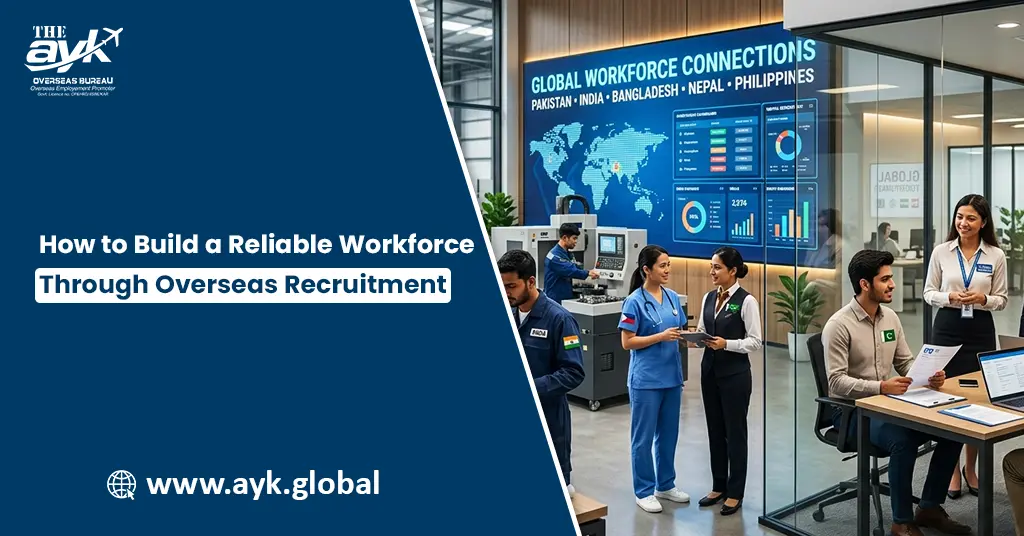 How to Build a Reliable Workforce Through Overseas Recruitment
 Jobs in Qatar for Freshers from Pakistan
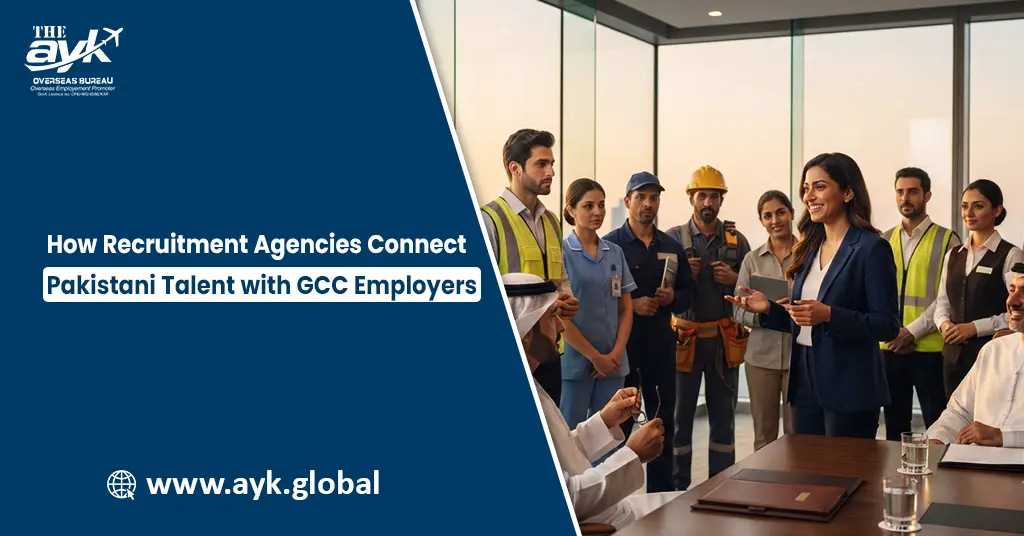 How Recruitment Agencies Connect Pakistani Talent with GCC Employers
 KSA Recruitment
 UAE Recruitment
 Qatar Recruitment
 Oman Recruitment
 Kuwait Recruitment
 Libya Recruitment
 Bahrain Recruitment
 Iraq Recruitment
 Malaysia Recruitment
 Malta Recruitment
 Canada Recruitment
 USA Recruitment
 Europe Recruitment
 UK Recruitment
 Romania Recruitment
 Poland Recruitment
 Bulgaria Recruitment
 Albania Recruitment
 Serbia Recruitment
 Lithuania Recruitment
 Japan Recruitment
 Turkey Recruitment
 Kyrgyzstan Recruitment
 South Korea Recruitment