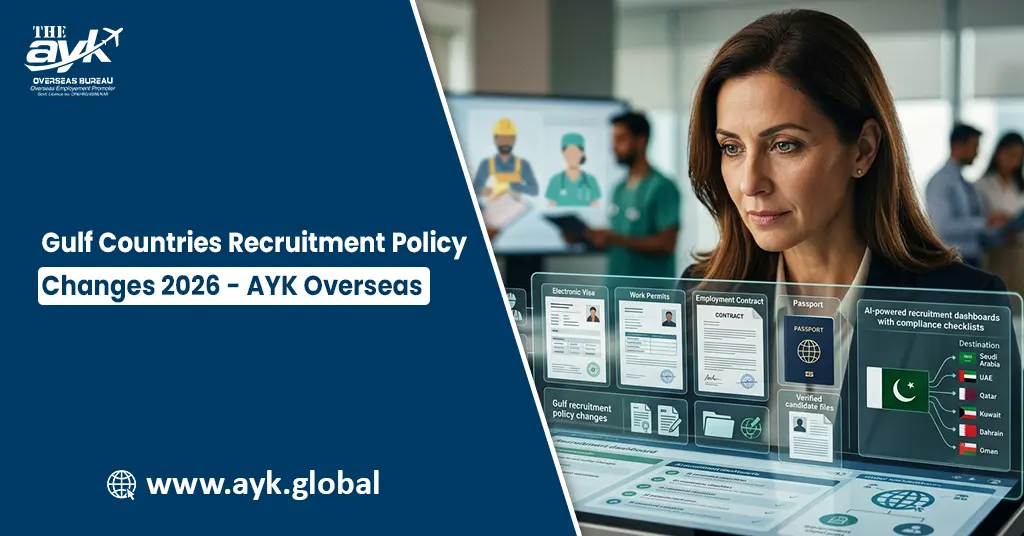
How Gulf Countries Are Changing Recruitment Policies in 2026
Published: June 30, 2026 | Views: 22
Across the Gulf region, governments have been steadily revising their recruitment and labor policies in response to changing economic priorities, worker protection concerns, and the need to remain competitive in attracting skilled overseas talent. In 2026, these policy shifts are becoming increasingly visible, affecting everything from how recruitment agencies operate to how contracts are structured and enforced for foreign workers arriving from countries like Pakistan. For job seekers, staying informed about these evolving policies is no longer optional, since the rules that governed overseas employment just a few years ago have changed considerably across nearly every major Gulf destination.
These policy changes generally reflect a broader regional effort to balance continued economic growth with improved labor standards, creating both new opportunities and new compliance requirements for overseas workers. AYK Overseas Recruitment & HR Manpower Agency, recognized as one of Pakistan's top manpower agencies, actively monitors these policy developments across Qatar, Saudi Arabia, UAE, Kuwait, and other Gulf markets to ensure our candidates remain fully compliant while benefiting from the improved protections these reforms are designed to provide.
Tightening Agency Licensing Requirements
One of the most consistent trends across Gulf countries in 2026 has been the tightening of licensing requirements for recruitment agencies operating within their borders, with governments increasingly requiring proof of compliance, financial stability, and ethical recruitment practices before granting or renewing operating licenses. This shift has been driven largely by ongoing efforts to reduce worker exploitation and eliminate fraudulent recruitment practices that have historically affected overseas labor markets across the region.
For Pakistani job seekers, this tightening means that agencies operating informally or without proper documentation are increasingly being shut out of legitimate placement channels, which is ultimately a positive development despite making the overall process slightly more rigorous. Workers should always confirm that any agency they engage with maintains current, valid licensing in both Pakistan and the destination Gulf country before proceeding with any application, since this verification step has become more important than ever under these tightened standards.
Standardizing Employment Contracts Across Sectors
Several Gulf nations have moved toward greater standardization of employment contracts, requiring clearer disclosure of salary structures, working hours, leave entitlements, and termination conditions before workers sign any agreement. This standardization effort aims to reduce the ambiguity that historically left many overseas workers vulnerable to disputes after arrival, since contract terms are now far more explicitly documented and legally enforceable than under previous, less structured systems.
This trend toward standardization has been particularly noticeable in sectors with historically high overseas worker concentrations, such as construction and domestic labor, where contract disputes were previously common due to vague or poorly translated agreements. Workers entering the Gulf job market in 2026 are generally encountering considerably more transparent contract terms, though it remains essential to have every clause explained clearly before signing, regardless of how standardized the overall format may have become.
Digital Transformation of Recruitment Processes
Gulf governments have increasingly pushed for digital transformation across their recruitment and labor administration systems, requiring agencies and employers to process applications, work permits, and documentation through centralized digital platforms rather than relying on paper-based systems. This shift has significantly improved transparency and traceability throughout the recruitment pipeline, making it considerably harder for fraudulent intermediaries to operate outside official channels.
For job seekers, this digital transformation means that having properly prepared digital documentation, including scanned certificates and clear photographs meeting specific format requirements, has become essential to moving smoothly through the application process. Workers who understand and prepare for these digital requirements in advance, ideally with guidance from an experienced agency, generally experience faster and less complicated processing compared to those unfamiliar with current digital submission standards.
Enhanced Wage Protection Systems
Multiple Gulf countries have continued strengthening their wage protection systems, requiring employers to process worker salaries through monitored banking channels that allow labor authorities to detect and address payment delays or irregularities far more quickly than under previous manual reporting methods. This policy shift directly addresses one of the most persistent complaints among overseas workers historically, namely delayed or incomplete salary payments that often went unaddressed for extended periods.
These enhanced systems generally benefit workers significantly, though it remains important for individuals to maintain their own salary records and report any irregularities promptly through proper channels rather than assuming the system will automatically catch every issue without worker input. Agencies that understand these wage protection mechanisms can help guide workers on how to properly utilize these systems if payment issues do arise during their employment period.
Improved Worker Mobility and Transfer Rights
Several Gulf nations have introduced or expanded provisions allowing overseas workers greater flexibility to transfer between employers under certain conditions, reducing the historical dependency on original sponsor consent that often trapped workers in unfavorable employment situations. This shift toward improved mobility reflects broader regional efforts to align local labor practices with international standards while also making Gulf labor markets more competitive in attracting skilled overseas talent.
While these mobility improvements benefit workers considerably, understanding the specific conditions and required documentation for a legitimate employer transfer remains important, since not every situation automatically qualifies under the updated provisions. Workers considering a transfer should always verify their eligibility through proper channels rather than acting on informal advice, ensuring they do not inadvertently violate their existing contract or visa terms in the process.
Sector-Specific Policy Adjustments
Beyond broad regulatory changes, several Gulf countries have introduced sector-specific policy adjustments targeting industries with particularly high overseas worker concentrations, such as construction, domestic labor, and hospitality. These targeted adjustments often address specific concerns unique to each sector, such as working hour limits during extreme heat periods for construction workers or specific rest day requirements for domestic and hospitality staff.
Understanding which sector-specific policies apply to your intended job category has become increasingly important, since general awareness of broad labor reforms does not always cover the specific protections relevant to a particular industry. A knowledgeable agency familiar with these sector-specific nuances can help candidates understand exactly what protections and requirements apply to their specific employment situation before they accept any offer.
Greater Bilateral Cooperation Between Pakistan and Gulf Nations
Pakistan's government has increasingly worked directly with Gulf labor authorities to establish bilateral agreements and memorandums of understanding aimed at protecting overseas workers and streamlining legitimate recruitment processes between the two countries. These cooperative efforts have included joint monitoring initiatives, shared databases for verifying agency licensing, and coordinated responses to recruitment fraud cases affecting workers from both sides.
This growing bilateral cooperation has generally strengthened the overall recruitment ecosystem, making it increasingly difficult for fraudulent operators to exploit gaps between different national regulatory systems. Workers benefit from this cooperation through improved oversight and faster resolution of disputes, though it remains important to work with agencies that actively participate in and comply with these bilateral frameworks rather than operating outside them.
What These Changes Mean for Future Job Seekers
For Pakistani workers planning to pursue overseas employment in the coming years, these evolving Gulf recruitment policies suggest a continuing trend toward greater transparency, worker protection, and regulatory rigor across the region. While this generally makes the application process somewhat more document-intensive than in previous years, it also significantly reduces the risks historically associated with overseas employment, creating a safer and more reliable pathway for those who prepare properly and work through legitimate channels.
Staying informed about these ongoing changes, rather than relying on outdated assumptions from past experiences or secondhand accounts, has become essential for anyone serious about pursuing Gulf employment opportunities. Partnering with an agency that actively tracks these regulatory shifts ensures job seekers are always applying under current, accurate information rather than potentially outdated guidance that no longer reflects how the system actually operates.
How AYK Overseas Stays Ahead of Regional Policy Changes
As a government-licensed international recruitment and HR manpower firm with offices in Karachi and Islamabad, AYK Overseas Recruitment & HR Manpower Agency dedicates significant resources to tracking recruitment policy developments across every major Gulf destination we work with. Being recognized as one of Pakistan's top manpower agencies, we consider it essential to operate with full awareness of current regulations rather than relying on outdated practices that no longer align with how Gulf labor authorities currently operate.
Our team continuously updates our internal processes to reflect new licensing requirements, contract standards, and documentation procedures as they are introduced, ensuring every candidate we place benefits from full compliance and maximum protection under current rules. This commitment to staying current has made AYK Overseas Recruitment & HR Manpower Agency a trusted, reliable partner for thousands of Pakistani workers navigating the Gulf region's evolving recruitment landscape.
Conclusion
The Gulf region's recruitment policies are undergoing meaningful transformation in 2026, driven by efforts to improve worker protection, increase transparency, and modernize labor administration systems across nearly every major destination country. Pakistani job seekers who stay informed about these changes and partner with a properly licensed, knowledgeable agency are far better positioned to navigate this evolving landscape safely and successfully secure legitimate overseas employment opportunities.
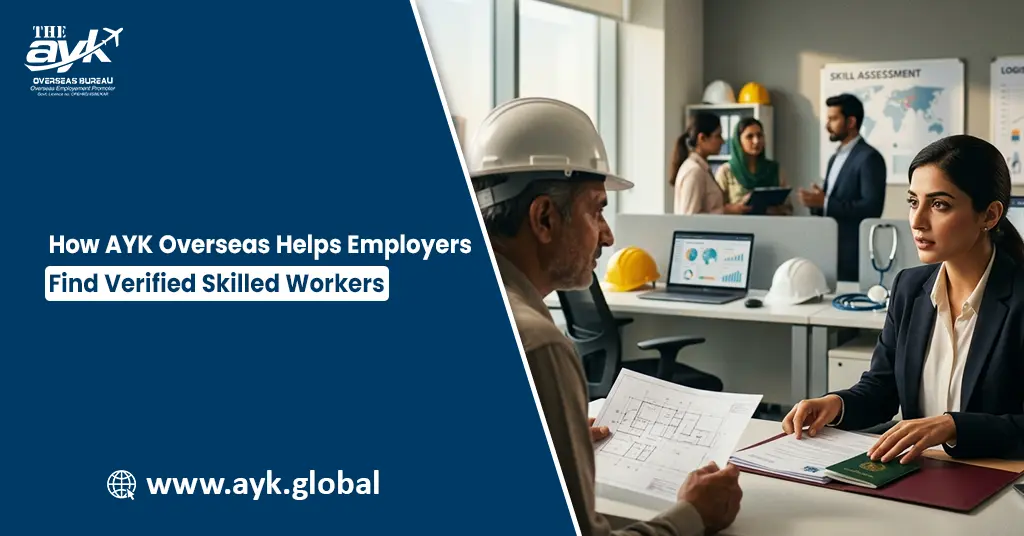 How AYK Overseas Helps Employers Find Verified Skilled Workers
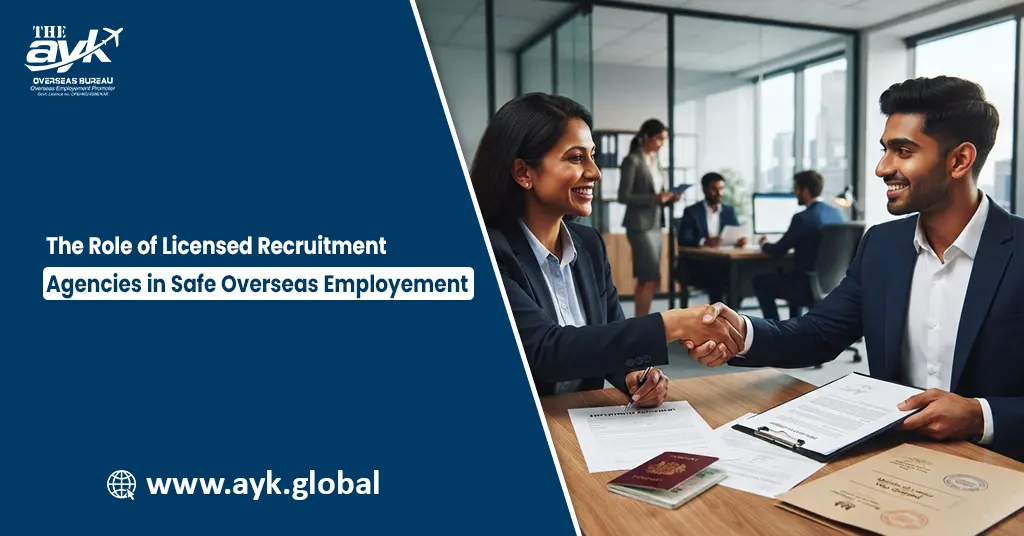 The Role of Licensed Recruitment Agencies in Safe Overseas Employment
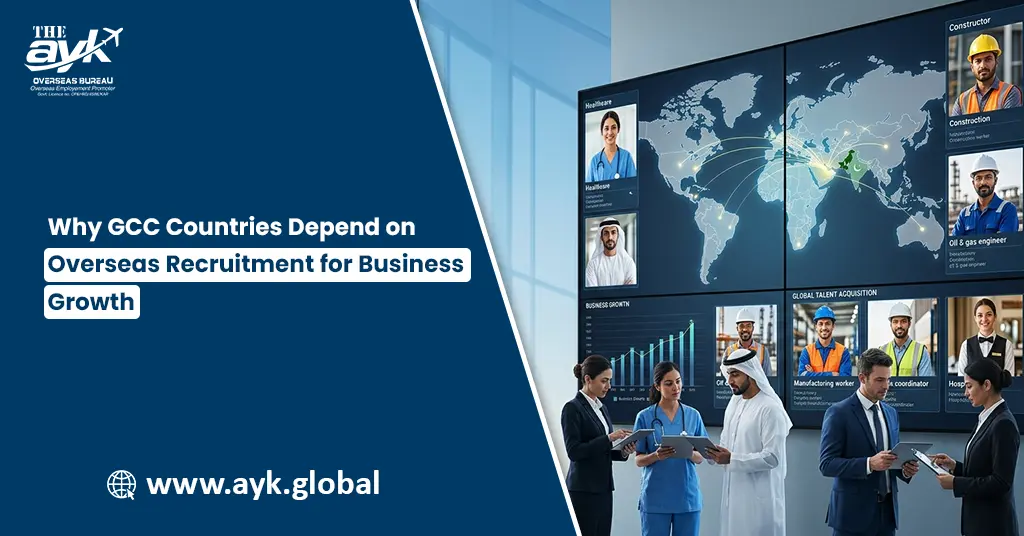 Why GCC Countries Depend on Overseas Recruitment for Business Growth
 KSA Recruitment
 UAE Recruitment
 Qatar Recruitment
 Oman Recruitment
 Kuwait Recruitment
 Libya Recruitment
 Bahrain Recruitment
 Iraq Recruitment
 Malaysia Recruitment
 Malta Recruitment
 Canada Recruitment
 USA Recruitment
 Europe Recruitment
 UK Recruitment
 Romania Recruitment
 Poland Recruitment
 Bulgaria Recruitment
 Albania Recruitment
 Serbia Recruitment
 Lithuania Recruitment
 Japan Recruitment
 Turkey Recruitment
 Kyrgyzstan Recruitment
 South Korea Recruitment