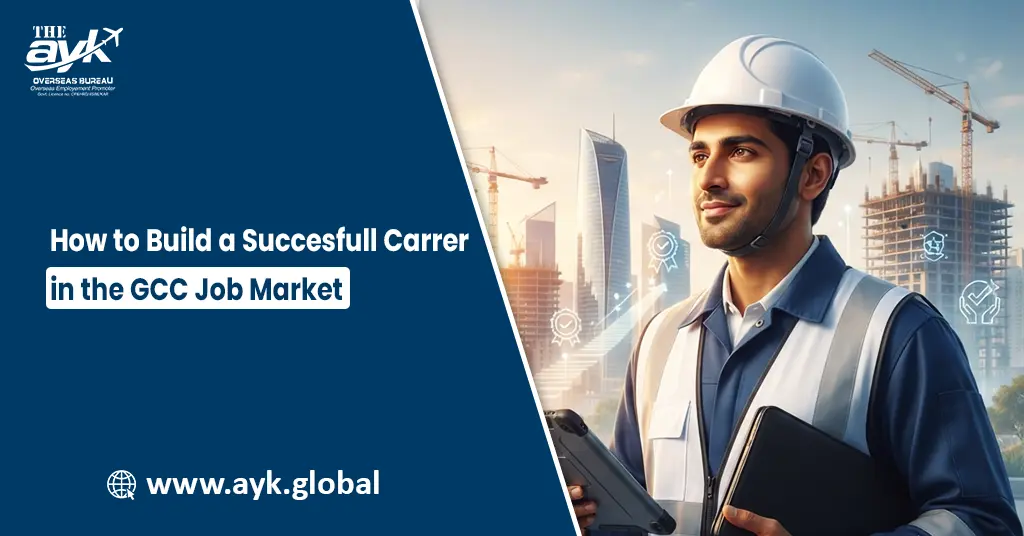
How to Build a Successful Career in the GCC Job Market
Published: July 02, 2026 | Views: 15
Introduction
Building a successful career in the GCC job market is one of the most powerful goals for Pakistani workers and professionals in 2026. Countries like Saudi Arabia, United Arab Emirates (UAE), Qatar, Kuwait, Oman, and Bahrain continue to offer massive employment opportunities across multiple industries including construction, engineering, oil and gas, healthcare, IT, logistics, hospitality, and security.
However, success in the GCC job market is not just about getting a job. It is about long-term career growth, skill development, financial stability, and professional advancement. Many workers go to GCC countries but only a few are able to build stable, high-growth careers. The difference lies in planning, skills, attitude, and understanding how the system works.
This guide explains in detail how Pakistani job seekers can build a successful and sustainable career in the GCC job market step by step.
Understanding the GCC Job Market Structure
To build a successful career in GCC countries, it is essential to first understand how the job market works. The GCC employment system is highly structured and demand-driven. Companies hire workers based on project needs, industry growth, and economic development plans.
There are two main categories of jobs: skilled and unskilled. Skilled jobs include engineers, technicians, IT professionals, doctors, and supervisors, while unskilled jobs include labor, cleaning, driving, and basic support roles.
Career success depends on how quickly a worker moves from entry-level positions to skilled or supervisory roles. Understanding this structure helps job seekers make better career decisions from the beginning.
Choosing the Right GCC Country
Each GCC country offers different career opportunities, salary structures, and growth potential. Choosing the right country is a key factor in building a successful career.
Saudi Arabia offers the largest number of job opportunities, especially in construction and industrial sectors. UAE provides higher salaries and better exposure to corporate and international environments. Qatar focuses on infrastructure and energy projects. Kuwait offers stability in oil and engineering jobs. Oman and Bahrain provide balanced work environments with moderate salaries.
Selecting the right country based on your skills and career goals is crucial for long-term success.
Developing In-Demand Skills
Skill development is the foundation of career success in GCC countries. Employers prefer candidates who have practical, job-ready skills rather than only academic qualifications.
For technical jobs, skills like electrical work, welding, HVAC maintenance, plumbing, and mechanical repair are highly valuable. For professional roles, skills in IT, engineering, finance, healthcare, and project management are in demand.
Workers who continuously upgrade their skills through training and certifications have higher chances of promotion and salary growth.
Getting the Right Qualification and Certification
Certifications play a very important role in GCC career growth. Many employers require internationally recognized certifications to ensure quality standards.
For example, engineers may need project management certifications, IT professionals may require software or cybersecurity certifications, and technicians may need trade-specific licenses.
Pakistani workers who invest in certifications increase their chances of getting better jobs and higher salaries in GCC countries.
Applying Through Legal and Trusted Channels
One of the most important steps in building a successful GCC career is applying through legal and trusted recruitment channels. Many job seekers lose opportunities due to fake agents and scams.
Licensed manpower agencies play a key role in connecting candidates with GCC employers. These agencies handle recruitment, interviews, documentation, visa processing, and travel arrangements.
Working with trusted agencies ensures safety, legal protection, and better job opportunities.
Preparing for Interviews and Skill Tests
Interview performance is a major factor in GCC job selection. Employers evaluate candidates based on communication skills, technical knowledge, experience, and attitude.
For skilled jobs, practical tests are often conducted to assess real abilities. Workers must prepare by practicing their trade skills and understanding job requirements.
Good interview preparation increases selection chances and helps candidates secure better positions.
Understanding GCC Work Visa Process
The GCC work visa process includes job offer approval, medical tests, document verification, visa stamping, and travel arrangements.
Understanding this process helps candidates avoid confusion and delays. A proper visa ensures legal employment and protects workers under GCC labor laws.
Candidates should always ensure their visa is issued through official and legal channels.
Gaining Work Experience and Performance Improvement
Work experience is one of the strongest factors in career growth. In GCC countries, employees who perform well are often promoted to higher positions.
Consistency, discipline, and reliability are highly valued by employers. Workers who show dedication often move from labor roles to skilled or supervisory positions over time.
Performance improvement leads directly to salary growth and career advancement.
Building Professional Relationships
Networking and workplace relationships play an important role in career success. In GCC countries, working with multinational teams provides opportunities to learn and grow.
Good relationships with supervisors, colleagues, and management can lead to promotions and better job opportunities.
Professional behavior and teamwork are highly appreciated in GCC workplaces.
Financial Planning and Savings Strategy
One of the biggest advantages of GCC jobs is tax-free income. However, without proper financial planning, workers may not fully benefit.
Successful professionals manage their expenses wisely, save money regularly, and invest in long-term financial goals.
Financial discipline is a key part of building a successful career abroad.
Adapting to Workplace Culture
Understanding GCC workplace culture is important for long-term success. Employers expect discipline, punctuality, respect, and professionalism.
Workers who adapt quickly to cultural expectations perform better and gain trust from employers.
Respecting rules and maintaining good behavior is essential for career stability.
Long-Term Career Growth Strategy
Building a successful GCC career requires long-term planning. Workers should not remain in the same position for years without growth.
Career advancement comes through skill improvement, experience, certifications, and job performance.
Those who plan their careers strategically can move into high-paying roles such as supervisors, engineers, managers, or specialists.
Conclusion
Building a successful career in the GCC job market requires planning, skill development, discipline, and legal job application methods. Pakistani workers have excellent opportunities in Saudi Arabia, UAE, Qatar, Kuwait, Oman, and Bahrain, but success depends on how well they prepare and adapt.
By choosing the right country, improving skills, gaining experience, and following legal recruitment processes, anyone can build a stable and high-paying career in GCC countries.
Long-term success is not just about getting a job—it is about continuous growth, learning, and professional development.
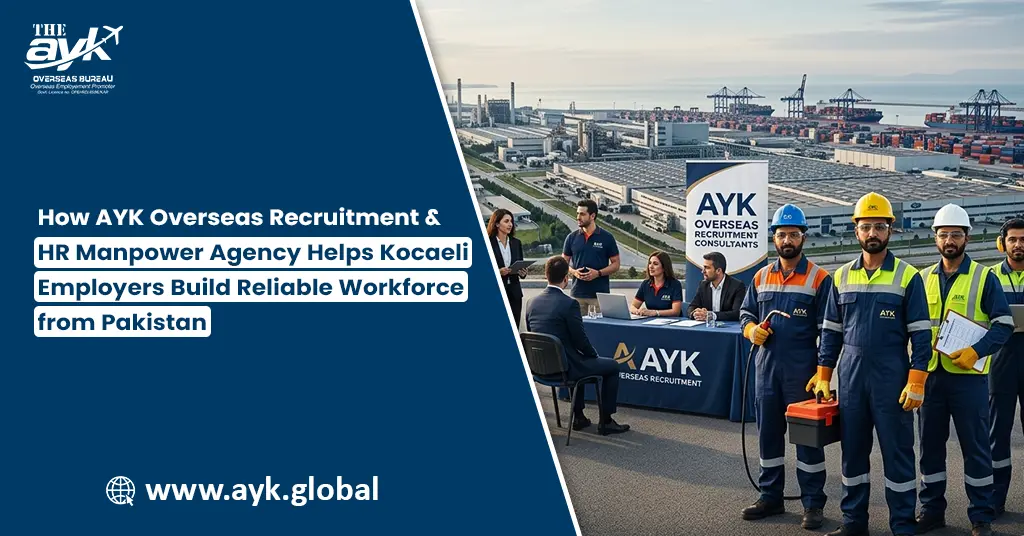 How AYK Overseas Recruitment & HR Manpower Agency Helps Kocaeli Employers Build Reliable Workforces from Pakistan
 KSA Recruitment
 UAE Recruitment
 Qatar Recruitment
 Oman Recruitment
 Kuwait Recruitment
 Libya Recruitment
 Bahrain Recruitment
 Iraq Recruitment
 Malaysia Recruitment
 Malta Recruitment
 Canada Recruitment
 USA Recruitment
 Europe Recruitment
 UK Recruitment
 Romania Recruitment
 Poland Recruitment
 Bulgaria Recruitment
 Albania Recruitment
 Serbia Recruitment
 Lithuania Recruitment
 Japan Recruitment
 Turkey Recruitment
 Kyrgyzstan Recruitment
 South Korea Recruitment