HR Risk Management Strategies for Employers
Published: July 07, 2026 | Views: 3
Introduction
Human resource management involves more than hiring and managing employees; it also requires identifying and reducing risks that can affect business operations, workplace relationships, and legal compliance. HR risks can arise from various areas, including employment regulations, employee disputes, workplace safety, data protection, recruitment decisions, and poor workforce management. Without proper risk management strategies, businesses may face financial losses, legal challenges, and damage to their reputation. Employers need effective HR practices that help prevent problems before they occur and create a secure, fair, and productive workplace. By implementing strong HR risk management strategies, organizations can protect their employees, improve operational stability, and support long-term business success.
Ensuring Compliance with Employment Laws
One of the most important HR risk management strategies for employers is maintaining compliance with employment laws and workplace regulations. Labor laws can vary depending on location, industry, and employment type, making it essential for businesses to stay updated with legal requirements. Non-compliance can lead to penalties, lawsuits, financial losses, and damage to company reputation. Employers should regularly review HR policies, maintain accurate employee records, update employment contracts, and seek professional HR guidance when necessary. A strong compliance system ensures that hiring practices, employee benefits, workplace policies, and termination procedures are handled properly while reducing legal risks.
Developing Clear HR Policies and Procedures
Clear HR policies help organizations establish consistent rules, expectations, and processes for managing employees. Without well-defined policies, businesses may experience confusion, unfair treatment, and workplace conflicts. Employers should create comprehensive guidelines covering areas such as attendance, workplace behavior, performance expectations, disciplinary procedures, remote work, and employee responsibilities. Effective HR policies provide employees with a clear understanding of company standards and help managers handle workplace situations fairly. Regularly updating these policies ensures that they remain relevant and aligned with changing business needs and legal requirements.
Implementing Effective Recruitment and Selection Processes
Poor hiring decisions can create significant HR risks, including low productivity, increased turnover, workplace conflicts, and financial losses. Employers can reduce these risks by developing structured recruitment and selection processes. This includes creating accurate job descriptions, conducting proper interviews, verifying candidate qualifications, and evaluating cultural fit. Background checks and skill assessments can also help businesses make better hiring decisions. A professional recruitment process ensures that organizations select employees who have the required abilities and are more likely to succeed within the company.
Protecting Employee Data and Confidential Information
Employee data protection has become a critical HR risk management concern due to the increasing use of digital systems and online HR platforms. Businesses collect sensitive information such as personal details, payroll records, and employment documents that must be properly protected. Employers should implement secure HR technology, restrict access to confidential information, and establish data protection policies. Providing employee training on information security can also reduce the risk of data breaches. Strong data protection practices help maintain employee trust and protect businesses from privacy-related risks.
Managing Workplace Health and Safety Risks
Creating a safe workplace is an essential responsibility for every employer. Workplace accidents, unsafe conditions, and health-related issues can negatively impact employees and business operations. HR teams should develop workplace safety policies, provide employee training, conduct regular safety assessments, and ensure compliance with health regulations. Employers should also promote employee wellness programs that support physical and mental health. Effective workplace safety management reduces risks, improves employee confidence, and creates a healthier environment where employees can perform their responsibilities effectively.
Improving Employee Relations and Conflict Management
Workplace conflicts are common HR challenges that can affect productivity, employee morale, and team relationships. Employers can reduce these risks by creating effective communication channels and establishing fair conflict resolution procedures. HR departments should encourage open discussions, provide mediation support, and address employee concerns quickly and professionally. A positive approach to employee relations helps prevent misunderstandings and creates a workplace culture based on respect and cooperation. Strong conflict management strategies improve trust between employees and management while reducing the possibility of serious workplace disputes.
Conducting Regular Employee Training Programs
Employee training is an important HR risk management strategy because it helps workers understand company policies, workplace expectations, safety procedures, and professional responsibilities. Lack of proper training can lead to mistakes, compliance issues, security risks, and reduced productivity. Employers should provide regular training programs related to workplace safety, data protection, communication skills, leadership development, and job-specific requirements. Continuous learning ensures that employees have the knowledge and skills needed to perform effectively while reducing potential workplace risks. A well-trained workforce is better prepared to handle challenges and contribute positively to business success.
Establishing Strong Performance Management Systems
An effective performance management system helps employers identify employee strengths, address performance issues, and improve overall productivity. Without clear performance expectations, businesses may face confusion, unfair evaluations, and employee dissatisfaction. HR teams should create structured systems that include goal setting, regular feedback, performance reviews, and improvement plans. Transparent performance management allows employees to understand their responsibilities and receive guidance for professional growth. By monitoring performance effectively, employers can reduce productivity risks and build a workforce that consistently supports organizational objectives.
Managing Employee Benefits and Compensation Risks
Compensation and benefits management is a critical area of HR risk management because unfair or inaccurate reward systems can lead to employee dissatisfaction and legal concerns. Employers should regularly review salary structures, benefits packages, and compensation policies to ensure they remain competitive and compliant with regulations. Clear communication about employee benefits also helps prevent misunderstandings and improves trust. A well-managed compensation strategy attracts skilled professionals, supports employee retention, and reduces risks related to pay disputes or workplace dissatisfaction.
Preparing for Workforce Changes and Business Growth
Businesses often experience changes such as expansion, restructuring, technology adoption, or market shifts that can create HR challenges. Employers need workforce planning strategies to manage these changes effectively and reduce disruption. HR teams should analyze future staffing needs, develop talent pipelines, and prepare employees for organizational transitions. Effective workforce planning ensures that businesses have the right people with the right skills at the right time. By preparing for future workforce needs, employers can reduce operational risks and maintain business continuity during periods of change.
Implementing Strong Employee Offboarding Processes
Employee departures can create HR risks if they are not managed properly. Poor offboarding procedures may result in data security issues, legal complications, or negative impacts on company reputation. Employers should establish structured exit processes that include final documentation, knowledge transfer, access removal, and exit interviews. A professional offboarding process helps protect company information and provides valuable feedback about employee experiences. Properly managing employee exits ensures a smooth transition and reduces potential risks associated with workforce changes.
Using HR Technology for Better Risk Management
Modern HR technology provides businesses with powerful tools to identify, monitor, and manage workforce-related risks. HR software can help maintain employee records, track compliance requirements, manage performance, protect data, and improve communication. Automated systems reduce administrative errors and provide accurate information for better decision-making. By using advanced HR technology, employers can create more organized processes and respond quickly to potential risks. Technology-driven HR management improves efficiency, strengthens compliance, and supports a more secure workplace environment.
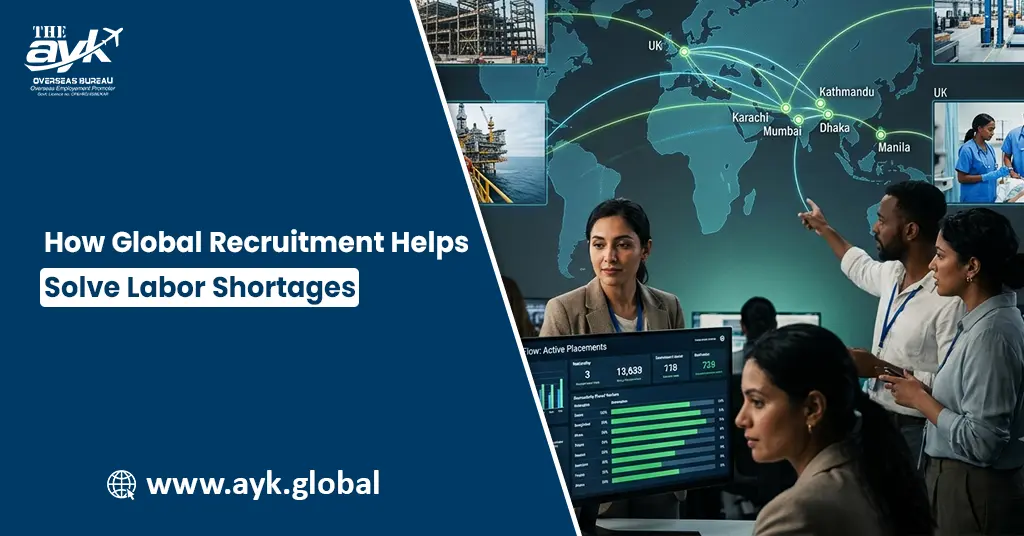 How Global Recruitment Helps Solve Labor Shortages
 Top Companies Hiring Pakistani Workers in GCC Countries
 KSA Recruitment
 UAE Recruitment
 Qatar Recruitment
 Oman Recruitment
 Kuwait Recruitment
 Libya Recruitment
 Bahrain Recruitment
 Iraq Recruitment
 Malaysia Recruitment
 Malta Recruitment
 Canada Recruitment
 USA Recruitment
 Europe Recruitment
 UK Recruitment
 Romania Recruitment
 Poland Recruitment
 Bulgaria Recruitment
 Albania Recruitment
 Serbia Recruitment
 Lithuania Recruitment
 Japan Recruitment
 Turkey Recruitment
 Kyrgyzstan Recruitment
 South Korea Recruitment