HR Compliance Services Every Employer Should Know
Published: July 07, 2026 | Views: 7
HR Compliance Services Every Employer Should Know
Introduction
Managing employees effectively requires more than hiring talented professionals and providing competitive salaries. Every employer must also ensure that workplace practices follow applicable employment laws, regulations, and ethical standards. HR compliance plays a critical role in protecting organizations from legal risks, financial penalties, workplace conflicts, and reputational damage. As employment regulations continue to evolve, businesses often find it challenging to stay updated with changing requirements related to employee contracts, wages, workplace safety, benefits, data protection, and labor policies. HR compliance services provide businesses with professional guidance to create legally sound workplace systems while maintaining fair and transparent employee practices. These services help employers develop policies, manage documentation, handle employee relations, and ensure regulatory compliance throughout the employee lifecycle. By investing in proper HR compliance solutions, organizations can create safer workplaces, improve employee trust, reduce operational risks, and build a strong foundation for sustainable business growth.
1. Understanding the Importance of HR Compliance
HR compliance refers to the process of ensuring that an organization's employment practices follow relevant labor laws, regulations, and internal policies. It covers various areas including hiring procedures, employee contracts, compensation, workplace safety, benefits administration, employee rights, and termination processes. Compliance is essential because even minor mistakes in HR practices can lead to legal disputes, penalties, employee dissatisfaction, and damage to a company's reputation. Professional HR compliance services help businesses identify potential risks, establish proper procedures, and maintain accurate records required for regulatory purposes. By prioritizing compliance, employers demonstrate their commitment to ethical business practices and employee protection. A strong compliance framework also improves workplace stability by creating clear expectations and fair treatment for all employees.
2. Creating Legally Compliant Employment Policies
One of the most important HR compliance services is developing clear and legally appropriate workplace policies. These policies establish guidelines for employee behavior, workplace expectations, attendance, leave management, disciplinary procedures, remote work arrangements, confidentiality, and acceptable workplace practices. HR professionals ensure that policies align with current employment regulations while also reflecting the organization's values and operational requirements. Well-designed policies reduce confusion, improve consistency in decision-making, and help managers handle employee situations effectively. They also provide employees with a clear understanding of their rights and responsibilities. Regular policy reviews are necessary because employment laws and workplace conditions can change over time. Professional HR compliance support ensures businesses maintain updated policies that protect both employers and employees.
3. Managing Employee Documentation and Records
Accurate employee documentation is a fundamental part of HR compliance. Businesses must maintain proper records related to employment contracts, employee information, performance reviews, attendance, payroll details, training records, and workplace communications. HR compliance services help organizations establish reliable documentation systems that ensure information is organized, secure, and easily accessible when required. Proper record management supports legal compliance, improves HR decision-making, and provides evidence during audits or workplace disputes. HR professionals also help businesses follow appropriate data protection practices when handling sensitive employee information. Maintaining accurate records reduces administrative errors, protects employee privacy, and strengthens the organization's ability to manage workforce responsibilities effectively.
4. Ensuring Fair Recruitment and Hiring Practices
Recruitment is an important area where HR compliance requirements must be carefully followed. Employers need to ensure hiring processes are fair, transparent, and free from unlawful discrimination. HR compliance services help businesses create inclusive job descriptions, implement structured interview processes, maintain consistent candidate evaluations, and follow proper documentation procedures during recruitment. HR experts also guide employers on appropriate background checks, employment verification, and candidate communication practices. A compliant recruitment process helps organizations attract qualified talent while reducing the risk of legal challenges related to unfair hiring practices. By establishing ethical and consistent recruitment systems, businesses strengthen their employer reputation and create a more professional hiring experience.
5. Maintaining Compliance with Employee Compensation and Benefits
Compensation and employee benefits are major areas of HR compliance that require careful management. Employers must ensure salaries, overtime payments, bonuses, incentives, leave benefits, and other employee-related payments follow applicable regulations and company policies. HR compliance services help organizations review compensation structures, maintain accurate payroll processes, and ensure employees receive fair and timely payments. HR professionals also assist in designing benefits programs that meet legal requirements while supporting employee satisfaction and retention. Proper compensation compliance reduces disputes, improves employee trust, and protects businesses from financial and legal risks. A transparent and compliant compensation system creates a positive workplace environment where employees feel valued and fairly rewarded.
6. Ensuring Workplace Health and Safety Compliance
Creating a safe workplace is one of the most important responsibilities of every employer. HR compliance services help organizations develop and maintain health and safety policies that protect employees from workplace hazards and unsafe conditions. HR professionals assist with safety training programs, emergency procedures, workplace inspections, incident reporting systems, and compliance documentation. They also help businesses identify potential risks and implement preventive measures to reduce workplace accidents and employee injuries. A strong health and safety framework not only protects employees but also improves morale, productivity, and organizational reputation. When employees feel secure and supported, they are more likely to remain engaged and committed to their roles. Professional HR compliance support ensures businesses maintain safe working environments while meeting required workplace safety standards.
7. Managing Employee Relations and Workplace Issues
Effective employee relations are essential for maintaining a healthy and productive workplace. HR compliance services help employers handle workplace conflicts, employee complaints, disciplinary matters, and communication challenges in a fair and professional manner. HR experts establish clear procedures for addressing grievances, resolving disputes, and managing workplace concerns while ensuring decisions follow company policies and legal requirements. They also train managers on appropriate ways to communicate with employees and handle sensitive situations. Proper employee relations management reduces workplace tension, improves trust between employees and leadership, and creates a culture of respect and cooperation. By addressing issues early and fairly, HR compliance services help organizations maintain positive workplace relationships and avoid costly disputes.
8. Protecting Employee Data and Maintaining Privacy Compliance
In today's digital workplace, protecting employee information has become a major HR compliance responsibility. Organizations collect and store sensitive employee data, including personal details, payroll information, performance records, and employment documents. HR compliance services help businesses establish secure data management practices, control access to confidential information, and follow privacy regulations. HR professionals create guidelines for handling employee records, using digital systems, sharing information, and maintaining confidentiality throughout the employment lifecycle. Strong data protection practices reduce the risk of information breaches, build employee trust, and demonstrate organizational responsibility. As businesses increasingly rely on technology for workforce management, professional HR compliance support becomes essential for protecting valuable employee information.
9. Supporting Employee Training and Compliance Awareness
Compliance is most effective when employees and managers understand their responsibilities. HR compliance services help organizations develop training programs that educate employees about workplace policies, ethical standards, safety procedures, harassment prevention, data protection, and legal requirements. Regular training ensures employees understand expected behaviors and know how to respond to workplace situations appropriately. HR professionals also provide specialized training for managers because leadership teams play a key role in maintaining compliance standards throughout the organization. A well-trained workforce reduces compliance risks, improves workplace professionalism, and encourages employees to follow established procedures. By creating continuous learning opportunities, HR compliance services help businesses build a culture where compliance becomes part of everyday operations.
10. Conducting HR Audits and Improving Compliance Systems
Regular HR audits allow organizations to evaluate the effectiveness of their existing HR practices and identify areas that require improvement. HR compliance professionals review employee records, workplace policies, compensation processes, documentation systems, recruitment procedures, and regulatory requirements to identify potential risks. These audits help businesses discover compliance gaps before they result in legal problems or operational challenges. HR experts then recommend improvements, update policies, strengthen procedures, and provide guidance on maintaining ongoing compliance. Continuous monitoring ensures that HR systems remain effective as the business grows and employment regulations change. By investing in regular HR audits and improvement strategies, organizations create stronger compliance frameworks that support long-term stability and success.
Conclusion
HR compliance services are essential for businesses that want to create legally secure, productive, and trustworthy workplaces. From developing workplace policies and managing employee records to ensuring fair hiring practices, protecting employee data, supporting training, and conducting compliance audits, HR professionals help organizations manage complex workforce responsibilities effectively. Strong HR compliance reduces risks while improving employee satisfaction, operational efficiency, and organizational reputation. As employment regulations continue to evolve, businesses that invest in professional HR compliance support are better prepared to handle challenges, protect their workforce, and achieve sustainable long-term success.
 Why Kazakhstan Is Becoming a Major Overseas Employment Destination
 Is It Still Worth Going to the Gulf in 2026?
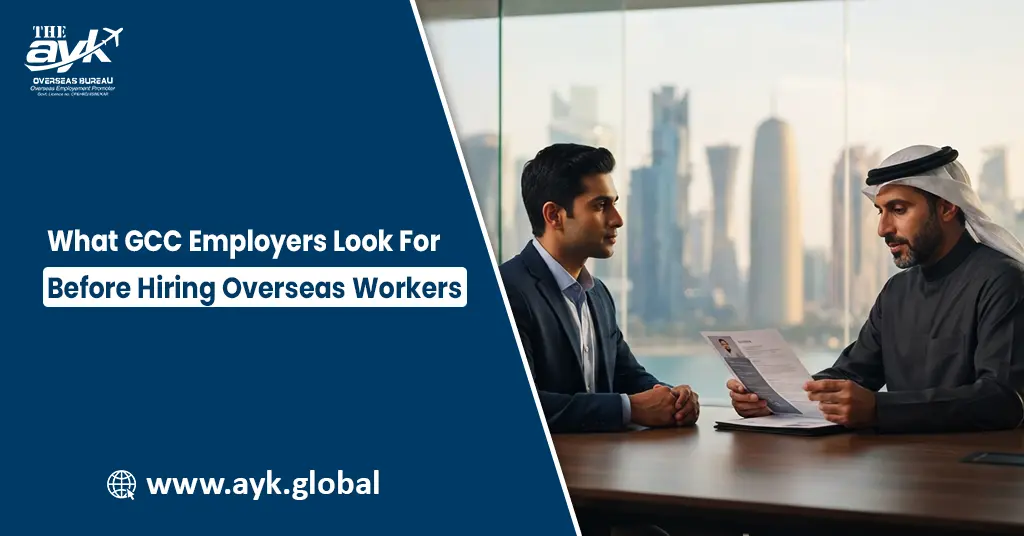 What GCC Employers Look for Before Hiring Overseas Workers
 KSA Recruitment
 UAE Recruitment
 Qatar Recruitment
 Oman Recruitment
 Kuwait Recruitment
 Libya Recruitment
 Bahrain Recruitment
 Iraq Recruitment
 Malaysia Recruitment
 Malta Recruitment
 Canada Recruitment
 USA Recruitment
 Europe Recruitment
 UK Recruitment
 Romania Recruitment
 Poland Recruitment
 Bulgaria Recruitment
 Albania Recruitment
 Serbia Recruitment
 Lithuania Recruitment
 Japan Recruitment
 Turkey Recruitment
 Kyrgyzstan Recruitment
 South Korea Recruitment