Pakistani Workers in Doha: A Complete Practical Guide
Published: July 04, 2026 | Views: 10
Introduction
Doha has emerged as one of the most significant Gulf employment destinations for Pakistani workers in recent years, combining Qatar's sustained post-World Cup infrastructure investment, genuinely improved labor reform implementation, competitive compensation packages in multiple sectors, and a Pakistani community presence that has grown substantially alongside the overall expansion of Pakistani worker participation in Qatar's ambitious economic development program. The practical realities of working and living in Doha differ in specific and important ways from both media representations that sometimes emphasize either extraordinary opportunity or extraordinary difficulty without accurately capturing the everyday experience of Pakistani workers who actually live and work in Qatar's dynamic capital city, making comprehensive, honest practical guidance genuinely valuable for workers considering Doha as their Gulf employment destination. AYK Overseas Recruitment & HR Manpower Agency, recognized as one of Pakistan's top manpower agencies, actively places Pakistani workers in Doha across construction, hospitality, and various other employment sectors, and this guide reflects our genuine practical knowledge of what working in Doha actually involves for Pakistani workers throughout their employment experience.
Doha's Employment Sectors and Pakistani Worker Demand
Doha's employment landscape for Pakistani workers centers primarily on the construction sector whose activity has been sustained beyond the World Cup completion by Qatar's National Vision 2030 development ambitions across commercial real estate, tourism infrastructure, transportation network expansion, and various institutional building programs that collectively maintain construction employment demand at substantial levels. Hospitality represents the second major Pakistani worker employment category in Doha, with Qatar's expanding hotel sector serving business travelers and the growing leisure tourism market that post-World Cup investment continues developing through new resort, entertainment, and cultural facility construction that requires both construction workers during development and hospitality staff during operations. Technical employment across logistics, maintenance, and facility management provides additional Doha employment pathways for Pakistani workers with relevant technical trade backgrounds, while healthcare employment increasingly creates demand for qualified Pakistani nursing and allied health professionals whose clinical credentials meet Qatar's professional licensing requirements for international healthcare workers seeking to practice within Qatar's expanding medical infrastructure.
Qatar's Labor Reforms and Their Practical Meaning for Pakistani Workers
Qatar's labor reforms implemented primarily between 2020 and 2024, including the abolition of the exit permit requirement, the establishment of a minimum wage applicable to all workers including domestic workers, enhanced worker accommodation standards, improved wage protection system implementation, and the creation of the Workers' Support and Insurance Fund, have genuinely changed the practical employment experience of Pakistani workers in ways that the international attention these reforms received appropriately reflects. Workers who have worked in Qatar before and after these reforms consistently describe meaningful practical differences in their day-to-day experience, with particular appreciation for the exit permit abolition that restored workers' freedom of movement and the minimum wage establishment that created a documented floor below which employer wage offers cannot legally fall. Workers considering Qatar employment in 2026 benefit from understanding these reforms as genuinely implemented rather than purely theoretical policy announcements, while also recognizing that reform implementation varies between different employers and that maintaining personal awareness of legal rights remains important even within an improved regulatory environment.
Wage Protection and Salary Payment in Qatar
Qatar's Wage Protection System provides meaningful practical protection for Pakistani workers by requiring salary payment through monitored bank transfer within specified regulatory timeframes, creating enforcement visibility that automatic monitoring provides alongside the individual complaint mechanisms that workers can activate when payment delays or non-payment occurs despite WPS monitoring. Workers should specifically ensure their salary payment occurs through the WPS-monitored banking channels that Qatar's system requires rather than cash payment arrangements that circumvent WPS monitoring and eliminate the automatic enforcement visibility that the system provides as an important additional protection layer. The combination of WPS monitoring, minimum wage provisions, and the Workers' Support and Insurance Fund creates a more comprehensive wage protection infrastructure than Qatar maintained in earlier periods, providing Pakistani workers with meaningful formal protection mechanisms alongside the need for individual awareness of these rights and willingness to use available complaint channels when employers fail to meet their payment obligations despite the protective regulatory framework.
Accommodation Standards and Living Conditions
Qatar's enhanced worker accommodation standards represent one of the most practically significant reform dimensions for Pakistani workers in construction and industrial employment, with regulations requiring minimum space per worker, adequate ventilation, proper sanitation facilities, and various other basic living standard provisions that employer-provided accommodation must meet rather than the substandard housing that characterized some Qatar construction worker accommodation in earlier periods. Workers arriving in Qatar for construction employment in 2026 should find accommodation that genuinely meets improved standards compared to historical accounts that some community discussions still reference despite their reflection of pre-reform conditions rather than current regulatory requirements. Workers who observe accommodation that falls below stated regulatory standards should report this through appropriate labor authority channels rather than accepting substandard living conditions as unavoidable, recognizing that accommodation standards enforcement represents an important worker welfare protection that complaint reporting helps maintain through the accountability that individual reporting creates for employers who might otherwise allow standards to slip without regulatory pressure.
The Kafala Transition and Job Mobility
Qatar's progressive modification of the kafala sponsorship system, including the worker exit permit abolition and the creation of more accessible job mobility provisions, has meaningfully expanded Pakistani workers' practical ability to change employers when their employment situation warrants this change without the prohibitive obstacles that the previous system imposed on workers who discovered employment mismatches or rights violations they wished to address through employer transfer rather than endurance. Workers who signed employment contracts they are now experiencing as materially different from what was represented, or who face clear employer rights violations, have more accessible mobility options than Qatar's pre-reform framework provided, though specific procedural requirements and eligibility conditions still apply that workers should research through current official sources rather than assuming unlimited mobility without procedural compliance requirements. The practical implications of improved job mobility extend beyond individual worker benefit to create accountability pressure on all Qatar employers who recognize that workers are less captive than previously, creating some incentive for maintained employment standard quality that serves the retention-oriented employers who genuinely compete for quality workers rather than simply retaining them through legal immobility.
Doha's Pakistani Community and Social Life
Doha's Pakistani community has developed meaningful social and cultural infrastructure including Pakistani restaurants across different cuisine regional styles, Pakistani grocery stores offering familiar ingredients and products, active mosque communities with strong Pakistani congregation presence, Pakistani cultural organizations that organize events and provide community connection, and extensive informal community networks through which Pakistani workers share practical guidance, employment information, and social support that newly arriving workers benefit enormously from accessing. The Pakistani community in Doha concentrates in specific residential and commercial areas that newly arriving workers can identify through community organization contact or through existing connections to workers already in Qatar who can provide specific guidance about community resource locations relevant to the worker's employment location. Workers who actively engage with Doha's Pakistani community during their initial weeks in Qatar typically establish practical routines, community relationships, and social support networks more quickly than those who remain isolated from available community resources during the critical adjustment period when community guidance and connection provide particularly important practical and emotional support.
Transportation and Getting Around Doha
Doha's transportation infrastructure has improved significantly with the completion of the Doha Metro system that provides efficient rail connectivity between major urban areas including key employment and residential zones, supplementing the previously car-dependent transportation situation with a more accessible public transit option that workers without personal vehicles can utilize effectively for daily commuting between accommodation and workplace locations served by the metro network. Workers whose employment locations are near metro stations benefit from significantly improved transportation options compared to pre-metro Doha, while workers in more peripheral locations continue relying on bus services, shared taxis, and ride-sharing applications that provide varying levels of convenience and cost-effectiveness depending on specific location combinations. Newly arriving Pakistani workers should specifically research the transportation connectivity between their offered accommodation location and their workplace before arrival, confirming that practically viable transportation options exist and understanding associated transportation costs that affect their overall net financial situation beyond the gross salary and accommodation cost calculations that employment financial assessments should comprehensively address.
Healthcare Access and Insurance for Pakistani Workers in Qatar
Qatar's healthcare system provides Pakistani workers with access to medical facilities of generally reasonable quality through the employer-provided health insurance that Qatar labor law requires employers to maintain, with the specific coverage scope, approved facility networks, and access procedures varying between different employer insurance arrangements that workers should specifically understand before health needs arise rather than discovering coverage limitations during stressful health situations. Qatar's public hospital system alongside private medical facilities provides Pakistani workers with meaningful healthcare infrastructure that compares favorably with some Gulf alternatives, though specific facility quality and service availability varies across different areas of Doha in ways that workers near major hospital campuses experience more favorably than those in more peripheral locations with less immediate access to comprehensive medical services. Workers with specific ongoing health conditions or regular medication requirements should research medication availability and specialist access specific to Doha before accepting employment, ensuring that any ongoing health management needs can be adequately addressed within Qatar's healthcare infrastructure rather than discovering access limitations only after having committed to employment that their health management requirements may make problematic.
Financial Management and Savings in Doha
Doha's cost of living for Pakistani workers compares reasonably favorably against Dubai, with accommodation costs for workers arranging their own housing typically somewhat lower than Dubai equivalents while general consumption costs for food, transportation, and daily necessities are broadly similar across both UAE and Qatar. Workers in Qatar whose employers provide comprehensive compensation packages including accommodation, food, and transportation can achieve genuinely strong savings rates that make Qatar employment financially productive relative to the overseas employment investment it requires, while workers managing their own accommodation and all personal expenses should develop detailed specific budget planning rather than relying on general Qatar employment financial assumptions that may not reflect their individual cost situation. Remittance service comparison represents an important financial management discipline for Qatar-based Pakistani workers, with the regular transfers that family support requires benefiting from service selection based on genuine total cost comparison including both transfer fees and exchange rates rather than convenience-based default to whichever service is most accessible without systematic cost comparison.
How AYK Overseas Supports Pakistani Workers in Doha
As a government-licensed international recruitment and HR manpower firm with offices in Karachi and Islamabad, AYK Overseas Recruitment & HR Manpower Agency actively places Pakistani workers across Doha employment sectors including construction, hospitality, healthcare, and technical maintenance, maintaining verified employer relationships that provide legitimate employment access alongside the pre-departure guidance and ongoing support that help workers navigate their Doha employment experience effectively. Being recognized as one of Pakistan's top manpower agencies, we provide Qatar-specific preparation guidance covering labor reforms, accommodation standards, wage protection mechanisms, community resources, and practical daily life information that equips workers with the comprehensive practical knowledge that genuine Doha employment success requires beyond simply the documentation and employment technical preparation that minimum placement services provide.
Conclusion
Working in Doha offers Pakistani workers genuinely positive employment opportunities within a Qatar that has meaningfully reformed its labor framework while sustaining substantial employment demand across construction, hospitality, technical, and professional sectors that collectively create real career and financial development opportunities. Workers who prepare with accurate knowledge of Qatar's reformed labor environment, realistic compensation expectations, practical daily life understanding, community resource awareness, and proper financial planning for their specific employment package situation are well positioned to make Doha employment a genuinely productive overseas experience that achieves the financial and professional objectives that motivated their decision to pursue Gulf employment.
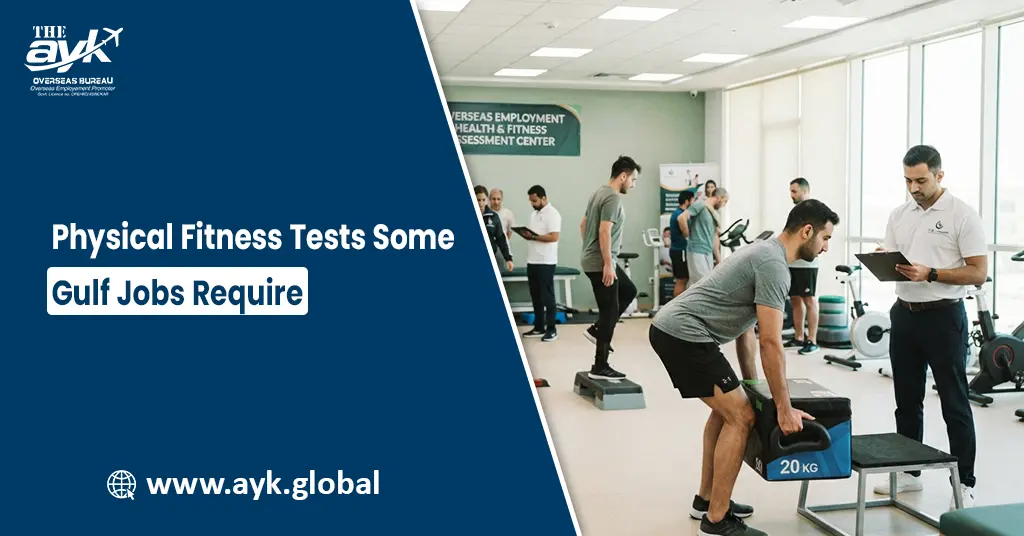 Physical Fitness Tests Some Gulf Jobs Require
 Complete Guide: Work Visa Process
 Skills That Increase Your Chances of Getting a Job in Europe
 KSA Recruitment
 UAE Recruitment
 Qatar Recruitment
 Oman Recruitment
 Kuwait Recruitment
 Libya Recruitment
 Bahrain Recruitment
 Iraq Recruitment
 Malaysia Recruitment
 Malta Recruitment
 Canada Recruitment
 USA Recruitment
 Europe Recruitment
 UK Recruitment
 Romania Recruitment
 Poland Recruitment
 Bulgaria Recruitment
 Albania Recruitment
 Serbia Recruitment
 Lithuania Recruitment
 Japan Recruitment
 Turkey Recruitment
 Kyrgyzstan Recruitment
 South Korea Recruitment