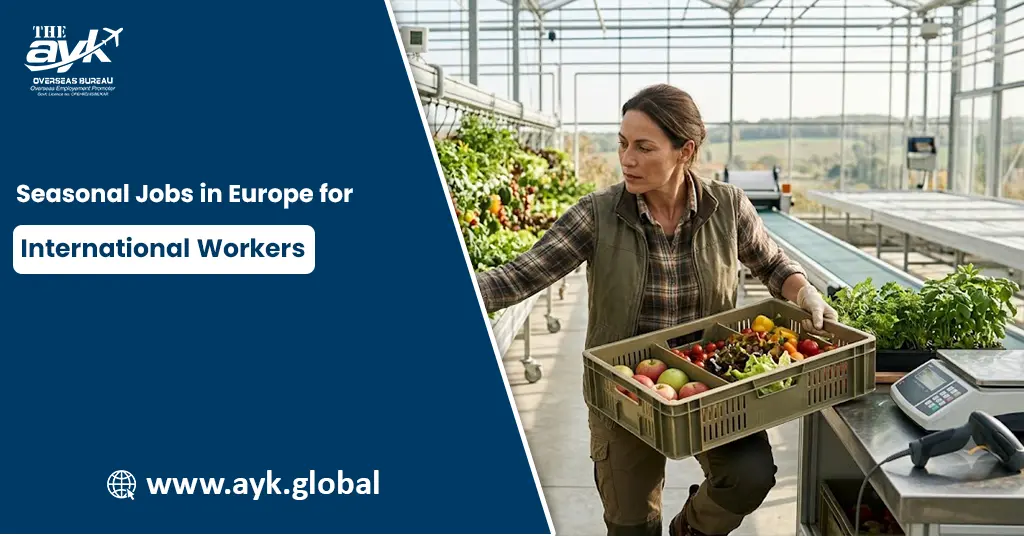
Seasonal Jobs in Europe for International Workers
Published: July 06, 2026 | Views: 68
Seasonal Jobs in Europe for International Workers
Seasonal jobs in Europe are temporary employment opportunities that are available during specific times of the year when industries experience high demand for workers. In 2026, many European countries such as Germany, Poland, Italy, Spain, France, Netherlands, and Sweden are actively hiring international workers for seasonal roles due to labor shortages in agriculture, tourism, hospitality, and logistics sectors. These jobs are especially popular among foreign workers from countries like Pakistan, India, Bangladesh, Nepal, and others because they often require lower qualifications compared to permanent skilled jobs. Seasonal employment usually lasts from a few weeks to several months depending on the industry and contract type. Workers are hired during peak seasons such as harvest time, summer tourism, and holiday periods. Many employers provide accommodation, meals, and sometimes transportation. Seasonal jobs also serve as a gateway for workers to gain international experience and later apply for long-term employment opportunities in Europe.
What Are Seasonal Jobs in Europe?
Seasonal jobs in Europe are short-term employment roles that are available during specific periods of high demand. These jobs are not permanent and usually last between 2 to 9 months depending on the country and industry. The most common seasonal sectors include agriculture, hospitality, tourism, and food processing. For example, during harvest season, farms require extra workers for picking fruits and vegetables, while during summer and holidays, hotels and resorts need additional staff to manage increased tourist activity. Seasonal jobs are an important part of Europe’s labor market because they help industries manage temporary workforce shortages. These jobs are open to both local and international workers, making them a great opportunity for foreigners who want to work abroad legally for a limited time. They also provide valuable international work experience and income opportunities.
Types of Seasonal Jobs Available in Europe
There are many types of seasonal jobs available across Europe depending on industry demand. Agricultural jobs are the most common and include fruit picking, vegetable harvesting, planting, and packing. Hospitality and tourism jobs include hotel staff, cleaners, kitchen assistants, waiters, and reception workers. Food processing jobs involve packaging, sorting, and factory work in food production companies. In some countries, winter seasonal jobs include ski resort staff, hotel workers, and maintenance assistants. Summer seasonal jobs are heavily focused on tourism-related roles such as beach resorts, restaurants, and entertainment services. Logistics and warehouse companies also hire seasonal workers during peak shopping seasons like Christmas and Black Friday sales. These jobs do not always require high qualifications, but physical fitness and basic communication skills are important. Seasonal work offers a wide range of opportunities for foreign workers looking for short-term employment in Europe.
Best Countries for Seasonal Jobs in Europe
Several European countries are well known for offering seasonal job opportunities to international workers. Germany is one of the top destinations for agricultural and factory seasonal work due to strong demand for labor. Italy and Spain are famous for fruit picking, farming, and tourism-related seasonal jobs. France also offers agricultural work, especially in vineyards and farms. Netherlands hires seasonal workers for greenhouse farming and flower production. Poland and Czech Republic provide factory and warehouse seasonal jobs with relatively easier visa processes. Sweden and Finland offer seasonal roles in agriculture and forestry, especially during summer. Each country has different requirements and salary levels, but most provide accommodation and basic support to foreign workers. Seasonal jobs in these countries are often managed through recruitment agencies or employer sponsorship programs.
Requirements for Seasonal Jobs in Europe
The requirements for seasonal jobs in Europe are generally simpler compared to permanent skilled jobs. Most employers require a valid passport and basic identification documents. Some jobs may require prior experience in agriculture, hospitality, or factory work, but many entry-level positions are open to beginners. Physical fitness is important because many seasonal jobs involve manual labor such as farming, packing, or cleaning. Basic communication skills in English or the local language can be helpful but are not always mandatory. In some cases, a medical fitness certificate and police clearance certificate may be required for visa approval. Employers may also require a signed contract before issuing a work permit. Overall, seasonal jobs are designed to be accessible for foreign workers with minimal qualifications but a willingness to work in physically demanding environments.
Salary and Benefits of Seasonal Jobs
Salaries for seasonal jobs in Europe vary depending on country, industry, and job type. On average, workers can earn moderate hourly wages, which may increase with overtime or peak-season demand. Agricultural jobs often pay per hour or per task completed, while hospitality and factory jobs usually offer fixed hourly wages. Many employers provide additional benefits such as free or subsidized accommodation, meals, and transportation. In some cases, workers also receive bonuses for completing full contracts or working during busy seasons. Although seasonal jobs may not offer high long-term salaries, they provide valuable income opportunities for short-term work abroad. These jobs also help workers save money due to reduced living costs provided by employers. Overall, seasonal employment is a good option for earning and gaining international work experience.
Visa Process for Seasonal Jobs in Europe
The visa process for seasonal jobs in Europe is usually simpler compared to long-term work visas. It starts with securing a job offer or contract from a European employer. The employer may then apply for a seasonal work permit on behalf of the worker. After approval, the worker applies for a visa at the embassy with required documents such as passport, job contract, medical certificate, and police clearance. Some countries have specific seasonal visa programs designed for agriculture and tourism workers. The visa is usually valid for a limited period, matching the job duration. In some cases, workers may be allowed to extend their stay if the employer requests it. After visa approval, workers can travel to Europe and begin their seasonal employment legally.
How to Apply for Seasonal Jobs in Europe
Applying for seasonal jobs in Europe usually starts with searching for job openings through recruitment agencies, online job portals, or direct employer websites. Many European employers also hire through seasonal recruitment programs, especially for agriculture and tourism sectors. After finding a suitable job, candidates submit their CV, passport copy, and basic documents to the employer or agency. If selected, the employer issues a contract or job offer letter, which is required for visa processing. The next step involves applying for a seasonal work permit or visa through the embassy. Applicants may need to provide additional documents such as medical certificates and police clearance. In some cases, interviews are conducted online to assess basic skills and communication ability. Once approved, the worker receives a visa and can travel to Europe to start the seasonal job legally.
Challenges of Seasonal Jobs in Europe
Although seasonal jobs in Europe offer good opportunities, they also come with certain challenges. One of the main challenges is physical workload, especially in agriculture and factory jobs where long hours of manual labor are required. Seasonal work is also temporary, meaning job security is limited and workers must return home after contract completion. Weather conditions can also affect working environments, particularly in farming and outdoor jobs. Language barriers may create communication difficulties in some workplaces. In peak seasons, workloads can be very intense due to high demand. Additionally, workers must carefully avoid fake recruitment agencies that may offer false job promises. Despite these challenges, seasonal jobs remain a valuable opportunity for earning income and gaining international experience in Europe.
Future Scope of Seasonal Jobs in Europe
The future of seasonal jobs in Europe is expected to remain strong due to continuous demand in agriculture, tourism, and hospitality sectors. Many European countries face labor shortages, especially during peak seasons, which increases the need for foreign workers. As populations age and local workers avoid manual labor, international recruitment will continue to grow. Governments are also supporting seasonal work visa programs to ensure industries operate smoothly during high-demand periods. Automation may reduce some jobs in the long term, but many seasonal roles such as farming, hospitality, and cleaning will still require human labor. This makes seasonal employment a stable opportunity for foreign workers looking for short-term work in Europe. Overall, the demand for seasonal workers is expected to remain consistent in the coming years.
Final Thoughts on Seasonal Jobs in Europe
Seasonal jobs in Europe provide an excellent opportunity for international workers who want to earn income and gain overseas experience in a short period. These jobs are widely available in agriculture, hospitality, tourism, and factory sectors across countries like Germany, Italy, Spain, France, and Poland. Although they are temporary and physically demanding, they offer benefits such as accommodation, meals, and legal work opportunities. The application process is relatively simple, especially when done through trusted recruitment agencies or employers. However, workers should always verify job offers and avoid scams. Seasonal employment is ideal for those who want short-term international work experience or a stepping stone toward long-term jobs in Europe. With proper planning and preparation, it can be a valuable and rewarding opportunity.
 Qatar vs UAE: Which Is Better for Overseas Workers
 KSA Recruitment
 UAE Recruitment
 Qatar Recruitment
 Oman Recruitment
 Kuwait Recruitment
 Libya Recruitment
 Bahrain Recruitment
 Iraq Recruitment
 Malaysia Recruitment
 Malta Recruitment
 Canada Recruitment
 USA Recruitment
 Europe Recruitment
 UK Recruitment
 Romania Recruitment
 Poland Recruitment
 Bulgaria Recruitment
 Albania Recruitment
 Serbia Recruitment
 Lithuania Recruitment
 Japan Recruitment
 Turkey Recruitment
 Kyrgyzstan Recruitment
 South Korea Recruitment