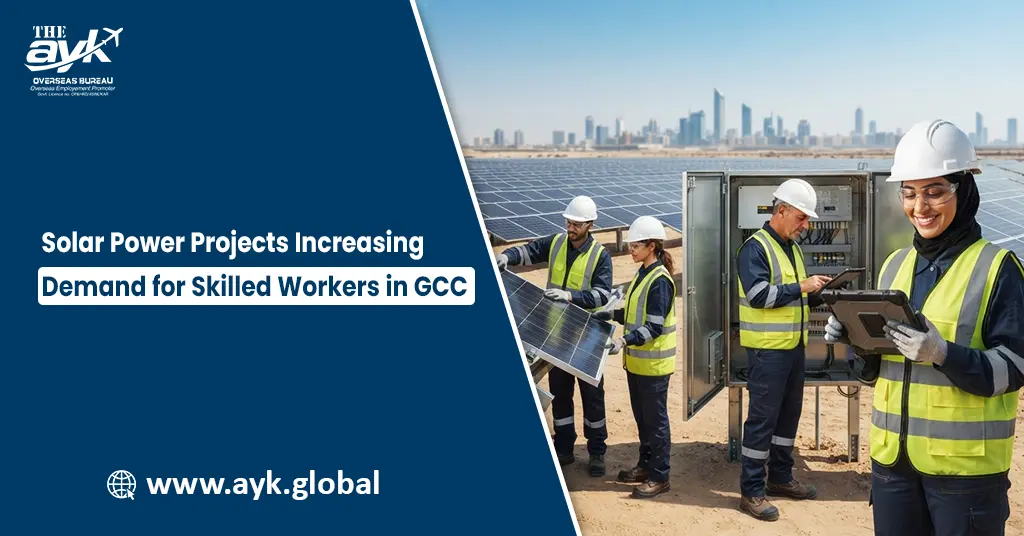
Solar Power Projects Increasing Demand for Skilled Workers in GCC
Published: July 03, 2026 | Views: 16
Introduction
GCC countries including Saudi Arabia, United Arab Emirates, Qatar, Kuwait, Oman, and Bahrain—are rapidly investing in solar energy as part of their long-term renewable energy and sustainability goals. With vast desert areas, high solar exposure, and government-backed energy diversification plans, solar power has become one of the fastest-growing industries in the region.
Large-scale solar farms, photovoltaic (PV) plants, and hybrid energy projects are being developed across the GCC. These projects require a significant workforce of skilled engineers, technicians, and semi-skilled laborers to handle installation, operation, and maintenance activities.
This guide explains how solar power projects are increasing demand for skilled workers and shaping recruitment trends in the GCC.
Massive Expansion of Solar Energy Infrastructure
Solar energy projects in GCC countries are expanding at an unprecedented pace. Governments and private energy companies are investing in utility-scale solar farms, rooftop solar installations, and industrial solar systems to reduce dependence on fossil fuels.
These large projects require thousands of workers during construction and commissioning phases. From laying foundations to installing solar panels and connecting electrical systems, every stage demands trained manpower.
Key infrastructure developments include:
- Large-scale solar farms in desert regions
- Industrial and commercial solar installations
- Hybrid solar and grid energy systems
- Solar-powered smart city projects
- Expansion of photovoltaic manufacturing plants
Rising Demand for Skilled Technical Workforce
The complexity of solar power systems has created strong demand for skilled technicians and engineers in GCC countries. Unlike traditional labor jobs, solar projects require technical understanding of electrical systems, wiring, and energy conversion technologies.
Skilled workers are needed for both installation and long-term maintenance of solar systems to ensure efficiency and performance.
Key in-demand roles include:
- Solar panel installation technicians
- Electrical engineers and site supervisors
- PV system maintenance technicians
- Quality control inspectors
- HVAC and electrical support staff
Employment Opportunities for Semi-Skilled and Labor Workforce
In addition to skilled professionals, solar projects also create large-scale employment for semi-skilled and labor workers. These workers support installation teams, handle material transportation, and assist in construction activities.
This makes solar projects one of the largest job creators in GCC renewable energy sector, especially for foreign workers from countries like Pakistan, India, Bangladesh, Nepal, and Egypt.
Common roles include:
- General laborers and helpers
- Panel mounting assistants
- Cable laying workers
- Equipment handling staff
- Site cleaning and support teams
Recruitment Strategies for Solar Power Projects
Recruitment for solar power projects in GCC countries is typically large-scale and project-driven. Employers rely on licensed recruitment agencies to source both skilled engineers and semi-skilled labor from manpower-rich countries.
Because solar projects often operate under strict deadlines, companies prefer pre-screened candidates who can be deployed quickly. Bulk hiring is common during construction phases, while smaller teams are retained for maintenance and operations.
Key recruitment strategies include:
- Bulk hiring for large solar farm construction
- Pre-screened technical and labor workforce
- Priority hiring of EPC and energy project experience candidates
- Fast-track mobilization for project deadlines
Technical Skills and Qualification Requirements
Solar energy projects require workers with a combination of electrical knowledge, field experience, and safety awareness. Skilled technicians and engineers must understand photovoltaic systems, wiring, inverters, and grid integration.
Employers often prefer candidates with experience in power plants, electrical installations, or large-scale infrastructure projects.
Key requirements include:
- Knowledge of PV solar systems
- Electrical installation and wiring skills
- Ability to work in extreme outdoor conditions
- Understanding of safety and hazard protocols
- Experience in energy or construction projects
Documentation and Visa Processing
Proper documentation is essential for hiring solar project workers in GCC countries. Employers must verify educational qualifications, work experience, and medical fitness before initiating visa applications.
Visa processing is often faster for labor roles but may require additional verification for engineers and technicians due to technical qualifications.
Required documents include:
- Valid passport
- Technical certificates or engineering degrees
- Experience letters from previous projects
- Medical fitness report
- Employment contract
Salary Trends and Cost Considerations
Salary packages in solar energy projects vary based on skill level, experience, and job role. Skilled engineers and technicians typically earn higher salaries, while labor workers receive competitive wages based on project demands.
Although recruitment costs can be significant, solar projects offer long-term savings due to efficient energy production and reduced operational costs over time.
Key cost factors include:
- Skill-based salary differences
- Training and onboarding expenses
- Visa and relocation costs
- Bulk recruitment efficiencies
Future Growth of Solar Energy Workforce in GCC
The future of solar energy employment in GCC countries is extremely promising. Governments are heavily investing in renewable energy to reduce oil dependency and achieve sustainability targets.
This will continue to generate strong demand for engineers, technicians, and labor workforce over the next decade, making solar energy one of the most stable employment sectors in the region.
Conclusion
Solar power projects in GCC countries are significantly increasing demand for skilled and semi-skilled workers. With large-scale investments in renewable energy, the sector offers long-term employment opportunities across engineering, technical, and labor categories.
By following structured recruitment strategies, GCC employers can build a reliable workforce that supports the region’s clean energy goals.
 GCC Work Visa Process for Pakistani Job Seekers
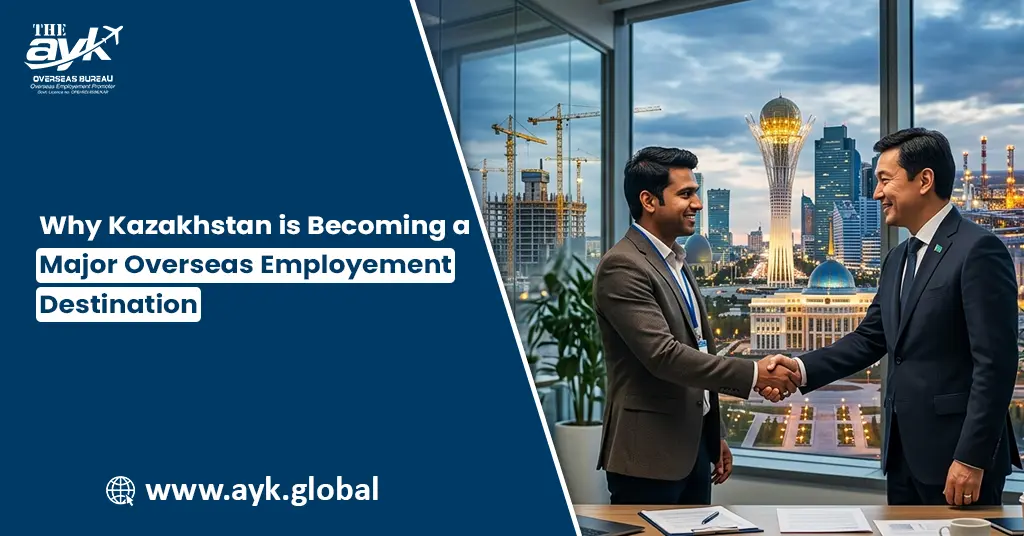 Why Kazakhstan Is Becoming a Major Overseas Employment Destination
 Hire Pakistani Workers for Singapore, A Complete Guide for Employers
 KSA Recruitment
 UAE Recruitment
 Qatar Recruitment
 Oman Recruitment
 Kuwait Recruitment
 Libya Recruitment
 Bahrain Recruitment
 Iraq Recruitment
 Malaysia Recruitment
 Malta Recruitment
 Canada Recruitment
 USA Recruitment
 Europe Recruitment
 UK Recruitment
 Romania Recruitment
 Poland Recruitment
 Bulgaria Recruitment
 Albania Recruitment
 Serbia Recruitment
 Lithuania Recruitment
 Japan Recruitment
 Turkey Recruitment
 Kyrgyzstan Recruitment
 South Korea Recruitment