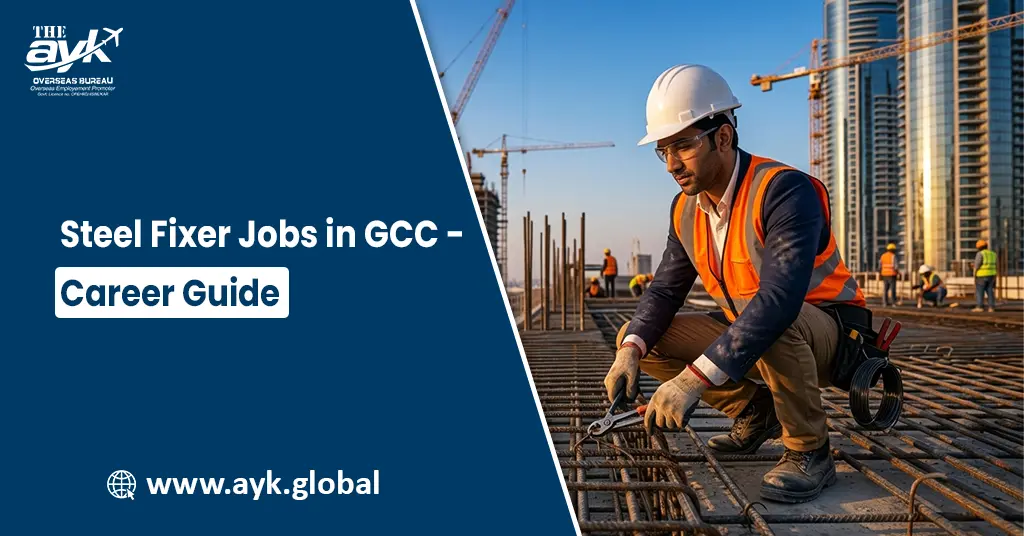
Steel Fixer Jobs in GCC – Career Guide
Published: July 02, 2026 | Views: 53
Introduction
Steel fixer jobs in GCC countries such as Saudi Arabia, United Arab Emirates (UAE), Qatar, Kuwait, Oman, and Bahrain are among the most essential skilled construction trades in 2026. Steel fixers play a critical role in building strong concrete structures by cutting, bending, and fixing steel bars (rebar) used in foundations, columns, beams, bridges, highways, and high-rise buildings.
Without steel fixers, no construction project can achieve structural strength or safety. This makes the job one of the most important roles in all major infrastructure and real estate developments across GCC countries.
For Pakistani workers, steel fixer jobs are highly attractive because they offer stable employment, overtime income, free accommodation, and long-term job security in the booming GCC construction sector.
Paragraph 1: Demand for Steel Fixers in GCC Construction Sector
The demand for steel fixers in GCC countries is consistently high due to ongoing mega construction projects. Saudi Arabia’s Vision 2030 initiatives, UAE’s urban expansion, Qatar’s infrastructure upgrades, and Oman’s industrial development all require large-scale construction work.
Every building, bridge, highway, and industrial structure depends on reinforced concrete, which requires skilled steel fixers to install rebar accurately. Because of this, steel fixers are always in demand across all major construction companies.
As GCC countries continue investing in infrastructure and smart city projects, the need for experienced steel fixers is expected to remain strong for many years.
Paragraph 2: Role and Responsibilities of Steel Fixers
Steel fixers are responsible for preparing and installing steel reinforcement bars inside concrete structures. Their work ensures that buildings and infrastructure are strong and durable.
Their responsibilities include reading construction drawings, cutting steel bars according to measurements, bending rebar using machines or tools, tying steel bars together using wire, and placing reinforcement structures correctly before concrete pouring.
Accuracy is extremely important in this job because even a small mistake in steel placement can affect the strength and safety of the entire structure.
Paragraph 3: Skills Required for Steel Fixer Jobs
Steel fixer jobs require strong technical skills, physical strength, and attention to detail. Workers must understand construction drawings and be able to follow instructions from engineers and supervisors.
Important skills include rebar cutting and bending techniques, knowledge of binding tools, understanding structural layouts, teamwork coordination, and safety awareness.
Physical fitness is also important because the job involves lifting heavy steel bars and working in outdoor construction environments.
Paragraph 4: Experience Requirements
Most GCC employers require steel fixers to have at least 2 to 5 years of experience in construction work. Experienced workers are preferred for large infrastructure projects such as bridges, high-rise buildings, and industrial plants.
However, some companies also hire helpers or semi-skilled workers for training purposes, especially when large manpower is needed for ongoing projects.
Experienced steel fixers have better chances of selection and higher salary packages compared to fresh workers.
Paragraph 5: Salary and Benefits
Steel fixer salaries in GCC countries vary depending on experience, project type, and employer. Entry-level workers earn lower salaries, while experienced steel fixers earn higher income.
In addition to basic salary, workers usually receive overtime pay, free accommodation, transport facilities, medical insurance, and end-of-service benefits.
Overtime work is common in construction projects, which significantly increases total monthly earnings for skilled workers.
Paragraph 6: Work Environment and Conditions
Steel fixers usually work on outdoor construction sites where they are exposed to heat, dust, and physically demanding tasks. The job involves lifting heavy materials and working in coordination with other construction teams.
Working hours are typically long and may include shifts depending on project deadlines. Despite challenges, GCC construction companies maintain safety standards and provide protective equipment such as helmets, gloves, and safety boots.
Discipline and teamwork are very important in this profession.
Paragraph 7: Safety Importance in Steel Fixing Work
Safety is a major priority in steel fixing jobs because workers deal with heavy materials and construction environments. Employers in GCC countries enforce strict safety rules to prevent accidents.
Workers must use protective gear, follow supervisor instructions, avoid unsafe handling of materials, and ensure proper placement of steel structures.
Regular safety training is provided on large construction sites to reduce risks and maintain workplace safety.
Paragraph 8: Career Growth Opportunities
Steel fixer jobs offer strong career growth in GCC construction industries. Workers can start as helpers and gradually become skilled steel fixers and later supervisors.
With experience, workers can move into roles such as foreman, site supervisor, or construction coordinator. Experienced steel fixers are also valued in international construction markets, which opens further overseas job opportunities.
Continuous experience in large projects improves career stability and income levels.
Paragraph 9: Why Pakistani Workers Are Preferred
Pakistani workers are widely preferred for steel fixer jobs in GCC countries due to their strong work ethic, construction experience, physical strength, and ability to work in challenging environments.
Many Pakistani workers already have experience in similar construction roles, making them suitable for GCC infrastructure projects. Their discipline and adaptability make them reliable workers for contractors.
Paragraph 10: How to Apply for Steel Fixer Jobs
Pakistani workers can apply for steel fixer jobs in GCC countries through licensed recruitment agencies, verified job portals, or direct employer hiring.
The process includes CV submission, experience verification, trade testing, interview, and visa processing. It is important to apply through authorized agencies to avoid fraud and ensure genuine job placement.
Conclusion
Steel fixer jobs in GCC countries are a highly stable and essential career option for Pakistani workers in 2026. With continuous infrastructure development, construction of highways, bridges, buildings, and industrial projects, demand for skilled steel fixers remains strong.
These jobs offer good salaries, overtime income, accommodation, and long-term career growth opportunities. For workers with construction experience and physical strength, steel fixing is one of the most reliable overseas job paths in GCC countries.
 How to Choose the Right Manpower Agency for Your Company
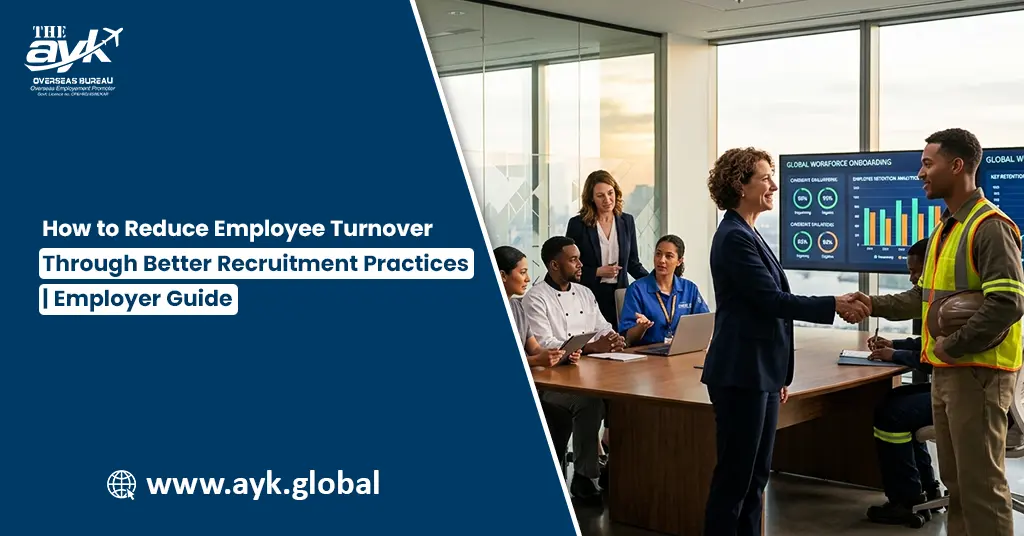 Employer-Focused Retention Strategy, Smart Hiring Systems & Workforce Stability Guide
 KSA Recruitment
 UAE Recruitment
 Qatar Recruitment
 Oman Recruitment
 Kuwait Recruitment
 Libya Recruitment
 Bahrain Recruitment
 Iraq Recruitment
 Malaysia Recruitment
 Malta Recruitment
 Canada Recruitment
 USA Recruitment
 Europe Recruitment
 UK Recruitment
 Romania Recruitment
 Poland Recruitment
 Bulgaria Recruitment
 Albania Recruitment
 Serbia Recruitment
 Lithuania Recruitment
 Japan Recruitment
 Turkey Recruitment
 Kyrgyzstan Recruitment
 South Korea Recruitment