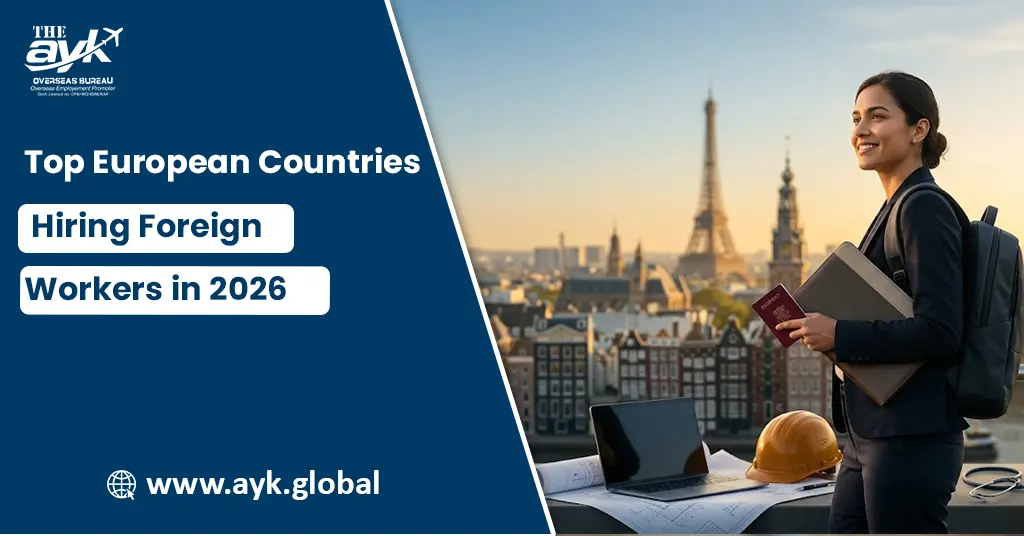
Top European Countries Hiring Foreign Workers in 2026
Published: July 06, 2026 | Views: 8
Europe continues to be one of the world's leading destinations for foreign workers seeking better employment opportunities, competitive salaries, and long-term career growth. In 2026, many European countries are actively recruiting international employees due to ongoing labor shortages caused by aging populations, economic expansion, and increasing demand across multiple industries. Skilled professionals, technical workers, healthcare staff, factory employees, agricultural laborers, drivers, hospitality workers, and IT specialists are all finding excellent opportunities throughout Europe. Governments have introduced work permit programs and immigration policies to help employers fill vacant positions with qualified foreign talent. Workers benefit from legal employment contracts, healthcare coverage, paid leave, pension contributions, workplace protections, and opportunities for permanent residency in several countries. However, choosing the right destination requires careful consideration of visa requirements, salary expectations, living costs, language requirements, and career prospects. This comprehensive guide explains the top European countries hiring foreign workers in 2026, the industries with the highest demand, eligibility requirements, and practical advice for securing legal employment abroad.
Why European Countries Need Foreign Workers in 2026
European countries are facing significant labor shortages across numerous industries due to demographic changes, low birth rates, and an aging workforce. Many local employers struggle to find enough qualified employees to meet growing business demands, creating excellent opportunities for international workers. Governments are encouraging businesses to recruit foreign talent to maintain economic growth and support essential services such as healthcare, transportation, construction, agriculture, manufacturing, and technology. As industries continue expanding, employers require both skilled and unskilled workers to fill vacant positions that cannot be covered by the domestic labor force alone. Foreign workers also contribute to economic development by bringing diverse skills, professional experience, and cultural perspectives. Many European governments have simplified work permit procedures and expanded skilled migration programs to attract international applicants. These initiatives have made Europe an increasingly attractive destination for workers seeking higher salaries, stable employment, and better living standards. For many foreign employees, Europe offers not only immediate financial benefits but also long-term opportunities for career advancement, family reunification, and permanent residency depending on national immigration policies.
Germany – Europe's Largest Job Market for Foreign Workers
Germany remains the leading destination for foreign workers in Europe because of its strong economy, advanced industries, and continuous labor shortages across multiple sectors. Employers actively recruit international professionals in engineering, healthcare, information technology, logistics, construction, manufacturing, skilled trades, and transportation. The country has introduced several immigration reforms designed to simplify the hiring of qualified foreign employees, making it easier for companies to sponsor international talent. Nurses, electricians, welders, mechanics, software developers, truck drivers, and engineers are among the most sought-after professionals. Germany also offers attractive salaries, comprehensive employee benefits, regulated working hours, paid annual leave, health insurance, pension contributions, and strong labor protections. While German language skills are beneficial for many occupations, some international companies and technology firms operate primarily in English, particularly for highly skilled positions. Workers who maintain continuous legal employment may eventually qualify for long-term residence and other immigration benefits. Germany's stable economy, modern infrastructure, and excellent quality of life continue to make it one of the best countries for foreign workers in 2026.
Poland – A Fast-Growing Destination for International Workers
Poland has become one of Europe's fastest-growing employment markets for foreign workers, particularly in manufacturing, logistics, agriculture, construction, and warehouse operations. The country's expanding economy has created consistent demand for employees across both skilled and entry-level positions. Many employers recruit workers from Asia, including Pakistan, to address labor shortages in factories, food processing plants, distribution centers, and industrial facilities. Compared with several Western European countries, Poland often offers relatively straightforward work permit procedures and lower living expenses, making it an attractive option for first-time international workers. Employees receive legal contracts, regulated working hours, social security benefits, and workplace protections under Polish labor laws. Skilled workers such as welders, electricians, machine operators, mechanics, and technicians also enjoy strong employment prospects with competitive salaries. As workers gain experience, they may find opportunities for career advancement or relocation within the European Union depending on applicable regulations. Poland continues investing heavily in industrial development, ensuring that foreign workers remain an essential part of its growing labor market throughout 2026.
Romania and Hungary – Rising Employment Opportunities
Romania and Hungary have emerged as important destinations for foreign workers because of rapid industrial growth and increasing labor shortages across various sectors. Employers in both countries actively recruit international employees for construction, manufacturing, agriculture, hospitality, logistics, food processing, and warehouse operations. These countries have experienced steady economic development, creating thousands of vacancies that local labor markets cannot fully satisfy. Foreign workers often find opportunities in factories, production facilities, transportation companies, hotels, restaurants, and infrastructure projects. Salaries continue improving while living costs generally remain lower than in many Western European countries, allowing workers to save a larger portion of their income. Legal employment provides access to labor protections, healthcare systems, regulated working conditions, and social security benefits. Employers frequently assist with work permits, accommodation arrangements, and relocation support for international recruits. Although learning the local language can improve long-term career opportunities, many entry-level positions require only basic communication skills. Romania and Hungary continue expanding their recruitment of foreign workers to support economic growth and industrial productivity.
The Netherlands and Ireland – High-Paying Careers for Skilled Professionals
The Netherlands and Ireland are among the most attractive European destinations for highly skilled foreign professionals seeking competitive salaries and excellent working conditions. The Netherlands has strong demand for engineers, IT specialists, logistics experts, agricultural professionals, technicians, and skilled manufacturing employees. Ireland continues experiencing growth in technology, finance, healthcare, pharmaceuticals, and business services, attracting qualified workers from around the world. Many multinational companies operate regional headquarters in these countries, creating opportunities for English-speaking professionals with specialized skills and international experience. Employees benefit from generous salaries, modern workplaces, comprehensive healthcare systems, pension contributions, paid vacations, and excellent work-life balance. Both countries also maintain transparent labor regulations that protect employee rights and encourage professional development. While competition for skilled positions can be strong, candidates with recognized qualifications, relevant work experience, and strong communication skills often enjoy excellent career prospects. For professionals seeking long-term international careers, the Netherlands and Ireland remain among Europe's most rewarding employment destinations in 2026.
Portugal and Spain – Seasonal and Permanent Job Opportunities
Portugal and Spain continue to attract thousands of foreign workers every year because of their growing demand for employees in agriculture, tourism, hospitality, construction, food production, and logistics. Seasonal agricultural work remains one of the most accessible options for international workers, particularly during fruit and vegetable harvesting seasons. Hotels, restaurants, resorts, and tourism-related businesses also recruit foreign staff to meet increased demand during peak travel periods. In addition to seasonal employment, both countries offer permanent opportunities for skilled workers in healthcare, engineering, information technology, manufacturing, and construction. Employees working legally receive employment contracts, regulated working hours, paid leave, healthcare benefits, and protection under national labor laws. The pleasant climate, high quality of life, and welcoming culture make Portugal and Spain attractive destinations for workers seeking both career growth and comfortable living conditions. Learning Portuguese or Spanish can improve communication and increase long-term employment opportunities, although some international employers also hire English-speaking professionals in specialized industries.
Norway, Sweden, and Finland – Excellent Careers with High Living Standards
The Nordic countries, including Norway, Sweden, and Finland, are known for offering some of the highest living standards and strongest employee protections in Europe. These countries regularly recruit skilled foreign workers in healthcare, engineering, information technology, construction, manufacturing, renewable energy, and specialized technical fields. Due to aging populations and increasing demand for qualified professionals, employers actively seek experienced international candidates who possess the necessary education and technical expertise. Salaries in Nordic countries are among the highest in Europe, but living costs are also relatively expensive. Employees benefit from comprehensive healthcare systems, generous paid leave, parental benefits, pension contributions, workplace safety standards, and excellent work-life balance. Many employers provide relocation assistance, language training, and professional development programs to help foreign workers integrate successfully. Although local language skills can improve career advancement, many multinational companies and technology firms operate in English, making these countries attractive for international professionals seeking long-term career growth and financial stability.
Eligibility Requirements for Foreign Workers in Europe
While immigration requirements differ across European countries, most employers follow similar hiring procedures for international workers. Applicants generally need a valid passport, an official job offer from a registered employer, educational qualifications, work experience documents, and any required vocational certifications. Many countries require employers to obtain work permit approval before the worker applies for an employment visa. Additional documents often include police clearance certificates, medical examination reports, passport photographs, completed visa application forms, and proof of accommodation if required. Certain professions such as nursing, engineering, and healthcare may require recognition of foreign qualifications or professional licensing before employment begins. Language requirements vary depending on the country and occupation, with some positions requiring English proficiency while others expect knowledge of the local language. Providing accurate documents, meeting all legal requirements, and following official immigration procedures significantly improve the chances of receiving visa approval and beginning employment without unnecessary delays or legal complications.
How to Apply for Jobs in European Countries Successfully
Applying for jobs in Europe requires careful planning, professional preparation, and attention to detail. The first step is creating a well-structured CV that follows international standards and clearly highlights education, work experience, technical skills, certifications, and language abilities. Applicants should also prepare a customized cover letter explaining why they are suitable for the position. Job seekers should focus on official company websites, government employment portals, licensed recruitment agencies, and internationally recognized job boards instead of relying on unverified advertisements. Before accepting any offer, candidates should verify the employer's legitimacy and carefully review the employment contract, salary package, working conditions, and visa sponsorship details. Many employers conduct online interviews to evaluate qualifications and communication skills before issuing formal job offers. Once selected, applicants must complete the work permit and visa process according to the destination country's immigration requirements. Maintaining professional communication, submitting complete documents on time, and preparing financially for relocation can greatly improve the chances of a successful international career.
Final Thoughts on the Best European Countries for Foreign Workers
Europe remains one of the best regions in the world for foreign workers seeking stable employment, higher salaries, valuable international experience, and long-term career opportunities. Countries such as Germany, Poland, the Netherlands, Ireland, Portugal, Spain, Romania, Hungary, Norway, Sweden, and Finland continue expanding their recruitment efforts to address labor shortages across essential industries. Whether an applicant is a skilled engineer, healthcare professional, IT specialist, construction worker, factory employee, driver, or agricultural laborer, numerous opportunities are available through legal employment channels. Success depends on choosing the right destination, understanding visa requirements, preparing professional application documents, and applying through verified employers or licensed recruitment agencies. Workers should always avoid fraudulent job offers and ensure that every stage of the recruitment process complies with official immigration regulations. With proper planning, continuous skill development, and determination, foreign workers can build rewarding careers while enjoying the financial and personal benefits of living and working in Europe.
 Verified Overseas Jobs from Pakistan – Apply via AYK Overseas Recruitment
 How to Choose the Best Overseas Recruitment Agency in Pakistan for International Hiring (2026 Guide)
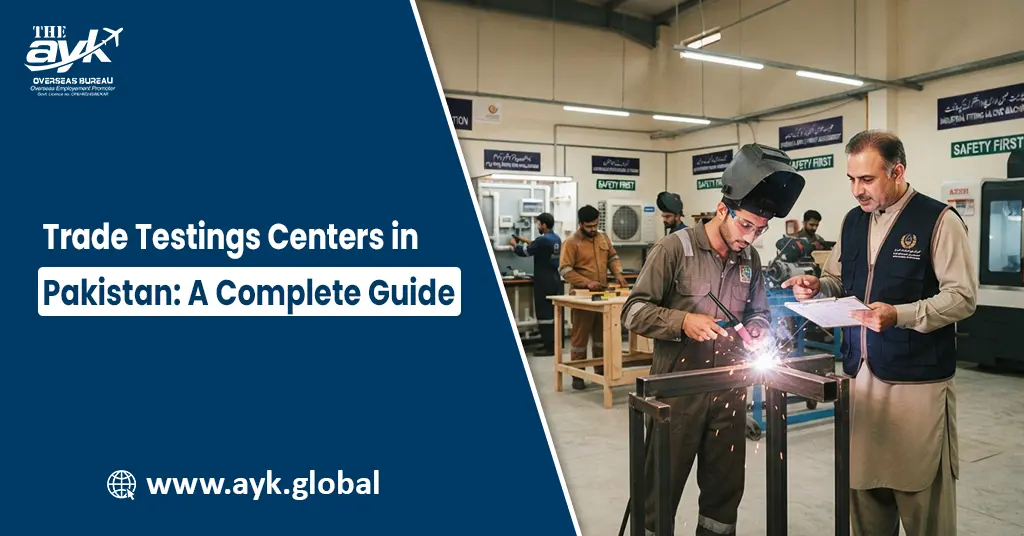 Trade Testing Centers in Pakistan: A Complete Guide
 KSA Recruitment
 UAE Recruitment
 Qatar Recruitment
 Oman Recruitment
 Kuwait Recruitment
 Libya Recruitment
 Bahrain Recruitment
 Iraq Recruitment
 Malaysia Recruitment
 Malta Recruitment
 Canada Recruitment
 USA Recruitment
 Europe Recruitment
 UK Recruitment
 Romania Recruitment
 Poland Recruitment
 Bulgaria Recruitment
 Albania Recruitment
 Serbia Recruitment
 Lithuania Recruitment
 Japan Recruitment
 Turkey Recruitment
 Kyrgyzstan Recruitment
 South Korea Recruitment