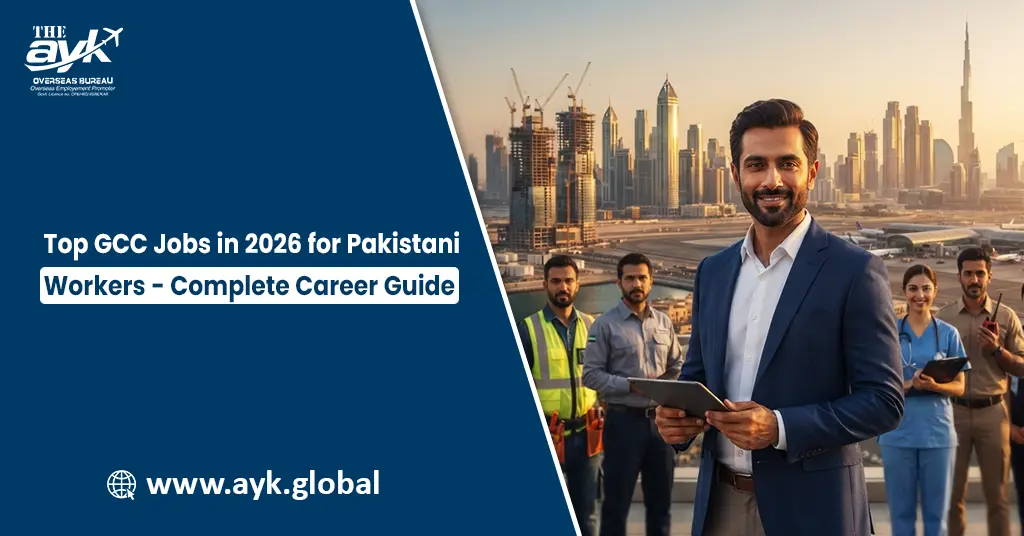
Top GCC Jobs in 2026 for Pakistani Workers – Complete Career Guide
Published: July 02, 2026 | Views: 11
Introduction
The Gulf Cooperation Council (GCC) countries continue to be among the most attractive destinations for Pakistani workers seeking better salaries, career growth, and international work experience. In 2026, countries including Saudi Arabia, the United Arab Emirates (UAE), Qatar, Kuwait, Oman, and Bahrain are investing billions of dollars in infrastructure, tourism, healthcare, renewable energy, logistics, technology, and smart city projects. These developments are creating thousands of employment opportunities for both skilled and unskilled workers. Pakistani professionals have earned a strong reputation in the Gulf because of their dedication, technical expertise, and ability to work in diverse environments. This reputation continues to make them one of the preferred workforces for GCC employers.
Whether you are an engineer, doctor, nurse, IT professional, electrician, driver, welder, accountant, teacher, or construction worker, the GCC job market in 2026 offers excellent opportunities across multiple industries. However, understanding which jobs are in demand, what qualifications employers expect, how much you can earn, and how to apply through legal channels is essential before making your move. This comprehensive career guide explains everything Pakistani workers need to know about finding high-paying jobs in GCC countries and building a successful international career.
Why GCC Countries Are Hiring Pakistani Workers in 2026
The GCC region is experiencing rapid economic growth because governments are diversifying their economies beyond oil and gas. Massive national development plans such as Saudi Arabia's Vision 2030, the UAE's digital transformation initiatives, Qatar's infrastructure expansion, and Oman’s industrial growth are creating continuous demand for skilled professionals and experienced workers. New airports, hotels, hospitals, entertainment cities, ports, industrial parks, renewable energy projects, and smart cities require millions of workers across engineering, construction, healthcare, hospitality, logistics, finance, and information technology. Pakistani workers remain among the preferred choices because they are known for their technical knowledge, strong work ethic, adaptability, and cost-effective expertise.
Another important reason behind increased hiring is the shortage of experienced local workers in specialized industries. GCC employers are actively recruiting professionals from Pakistan because many possess internationally recognized qualifications, practical field experience, and the ability to work efficiently in multicultural workplaces. Pakistani engineers, electricians, plumbers, welders, drivers, healthcare professionals, software developers, accountants, and project managers have built long-standing reputations throughout the Gulf. Many companies also appreciate the willingness of Pakistani workers to upgrade their skills and contribute to long-term organizational growth, making them valuable assets in an increasingly competitive labor market.
Best GCC Countries for Pakistani Workers
Saudi Arabia remains one of the largest employment destinations for Pakistanis in 2026 due to its ongoing mega projects, including smart cities, tourism developments, industrial zones, transportation networks, and healthcare expansion. The country is recruiting thousands of engineers, construction workers, healthcare professionals, IT specialists, technicians, electricians, plumbers, drivers, machine operators, and hospitality employees. Attractive salaries, tax-free income, accommodation benefits, transportation allowances, and career advancement opportunities continue to make Saudi Arabia one of the most popular choices for overseas employment.
The United Arab Emirates also remains a leading destination because of its diverse economy, international companies, and world-class infrastructure. Dubai and Abu Dhabi offer outstanding opportunities in information technology, finance, hospitality, aviation, logistics, retail, and digital marketing. Qatar continues to expand its energy, transportation, and tourism sectors, while Kuwait, Oman, and Bahrain offer stable employment opportunities in healthcare, manufacturing, oil and gas, education, and customer service. Each GCC country has unique advantages, and choosing the right destination depends on your qualifications, work experience, career goals, salary expectations, and preferred lifestyle.
Highest Paying Jobs in GCC for Pakistani Workers
Highly qualified professionals continue to enjoy excellent earning potential throughout the GCC region. Civil engineers, mechanical engineers, electrical engineers, petroleum engineers, project managers, architects, and quantity surveyors receive competitive salary packages because infrastructure development remains a top priority across Gulf countries. Similarly, healthcare professionals including doctors, registered nurses, dentists, pharmacists, physiotherapists, radiologists, and medical laboratory technologists are in constant demand due to expanding healthcare facilities and medical tourism initiatives. These professions often include additional benefits such as housing allowances, annual airfare, health insurance, paid leave, and end-of-service gratuity.
Technology has become another high-income sector in the GCC job market. Software engineers, cybersecurity analysts, cloud architects, artificial intelligence specialists, machine learning engineers, data scientists, DevOps engineers, and blockchain developers are among the highest-paid professionals in 2026. Companies are investing heavily in digital transformation and require experts who can implement secure, scalable, and innovative technology solutions. Finance managers, chartered accountants, auditors, compliance specialists, and investment professionals are also earning impressive salaries due to increasing business activities across multinational corporations operating in the Gulf.
Most In-Demand Skilled Jobs in GCC
Skilled trade workers continue to form the backbone of GCC infrastructure and industrial development. Electricians, plumbers, HVAC technicians, welders, steel fixers, carpenters, painters, tile installers, scaffolding specialists, heavy equipment operators, crane operators, and industrial mechanics are consistently recruited for residential, commercial, and industrial construction projects. Because these professionals possess hands-on technical expertise, employers frequently offer overtime opportunities, accommodation, transportation, medical insurance, annual vacations, and performance bonuses in addition to monthly salaries. Workers with internationally recognized certifications often receive better compensation and greater job security.
Apart from construction-related trades, industrial sectors are also hiring automotive mechanics, diesel technicians, forklift operators, warehouse supervisors, logistics coordinators, manufacturing technicians, machine operators, quality inspectors, and maintenance specialists. As automation and industrial modernization continue across GCC countries, employers increasingly seek workers who can operate advanced machinery, troubleshoot technical systems, and maintain productivity standards. Pakistani skilled workers who continuously upgrade their technical knowledge and obtain additional certifications have excellent opportunities to secure long-term employment and build financially rewarding careers throughout the Gulf region.
Healthcare Jobs in GCC for Pakistani Workers
The healthcare sector across GCC countries is expanding rapidly due to population growth, increased healthcare spending, medical tourism, and government initiatives to improve public health services. Hospitals, private clinics, rehabilitation centers, diagnostic laboratories, and specialized medical facilities are actively recruiting qualified healthcare professionals from Pakistan. Doctors, registered nurses, pharmacists, dentists, physiotherapists, radiographers, medical laboratory technologists, and healthcare administrators continue to be among the most sought-after professionals in Saudi Arabia, the UAE, Qatar, Kuwait, Oman, and Bahrain. Candidates with recognized degrees, relevant work experience, and valid professional licenses often receive priority during recruitment.
Healthcare professionals working in GCC countries enjoy attractive salary packages along with numerous employment benefits. Many employers provide free accommodation or housing allowances, annual airfare, comprehensive health insurance, paid annual leave, end-of-service gratuity, and opportunities for professional training and career advancement. Pakistani nurses and doctors who obtain the required licensing certifications and maintain strong clinical skills can build long-term careers in the Gulf while significantly improving their financial stability. As healthcare infrastructure continues to grow in 2026, demand for experienced medical professionals is expected to remain exceptionally strong.
IT and Digital Careers in GCC
Technology has become one of the fastest-growing employment sectors across the GCC region. Governments and private organizations are investing heavily in digital transformation, cloud computing, cybersecurity, artificial intelligence, data analytics, blockchain, and smart city technologies. As a result, companies are actively searching for software developers, full-stack engineers, cloud architects, cybersecurity analysts, DevOps engineers, AI specialists, machine learning engineers, UI/UX designers, database administrators, and network engineers. Pakistani IT professionals with strong technical expertise and internationally recognized certifications are increasingly finding excellent career opportunities throughout the Gulf.
Besides competitive salaries, IT professionals benefit from continuous learning opportunities, flexible work environments, international exposure, and rapid career progression. Employers highly value certifications such as AWS, Microsoft Azure, Google Cloud, Cisco, CompTIA Security+, Certified Ethical Hacker (CEH), PMP, and Scrum Master credentials. Professionals who remain updated with the latest programming languages, cloud platforms, cybersecurity frameworks, and software development methodologies enjoy greater employability and higher earning potential. As digital innovation accelerates across GCC countries, the technology sector is expected to remain one of the most rewarding career choices for Pakistani workers in 2026.
Salary Expectations in GCC Countries
Salary packages in GCC countries vary depending on the industry, job role, employer, country, qualifications, certifications, and years of experience. Entry-level workers generally receive competitive monthly salaries along with free accommodation, transportation, overtime pay, and medical insurance. Skilled workers such as electricians, plumbers, technicians, welders, drivers, and machine operators often earn higher incomes through overtime opportunities and performance bonuses. Experienced professionals in engineering, healthcare, finance, aviation, project management, and information technology can command significantly higher salaries due to their specialized knowledge and industry expertise.
One of the biggest financial advantages of working in many GCC countries is the opportunity to earn tax-free income, allowing workers to save a substantial portion of their earnings. In addition to monthly salaries, employers frequently provide housing allowances, annual flight tickets, children's education assistance, paid annual vacations, end-of-service gratuity, retirement benefits, and professional development programs. Before accepting any job offer, Pakistani workers should carefully review the complete employment package rather than focusing solely on the monthly salary, as additional benefits can considerably increase the overall value of the compensation package.
Qualifications and Skills Required for GCC Jobs
Employers across GCC countries increasingly prefer candidates who possess recognized academic qualifications, relevant technical certifications, practical work experience, and excellent communication skills. Degrees from accredited universities, vocational diplomas, trade certifications, and professional licenses significantly improve employment prospects. Depending on the profession, additional certifications such as PMP for project managers, NEBOSH for safety professionals, AWS for cloud engineers, Cisco certifications for networking professionals, or nursing and medical licensing exams may be required before employment. English language proficiency is essential for most professional positions, while knowledge of Arabic can provide an additional competitive advantage.
In addition to technical qualifications, employers highly value soft skills that contribute to workplace productivity and teamwork. Strong communication, leadership, problem-solving abilities, adaptability, time management, customer service skills, and a willingness to learn are essential qualities that employers seek during recruitment. Candidates who continuously invest in professional development through online courses, workshops, certifications, and industry training remain competitive in the evolving GCC job market. Pakistani workers who combine technical expertise with strong interpersonal skills are more likely to secure higher-paying positions and achieve long-term career growth across Gulf countries.
How to Apply for GCC Jobs from Pakistan
Finding a genuine job in GCC countries requires careful planning and following the correct recruitment process. The first step is preparing a professional CV that highlights your education, work experience, technical skills, certifications, and achievements. Your resume should be clear, well-organized, and tailored to the specific position you are applying for. Along with your CV, keep your passport, educational certificates, experience letters, professional licenses, and recent photographs ready. Many employers also require attested documents before issuing an employment offer, so completing this process in advance can save valuable time. Candidates should regularly apply through trusted recruitment agencies, licensed overseas employment promoters, and official company career portals to increase their chances of receiving genuine job offers.
Preparing for interviews is equally important. Research the company, understand the job description, and practice answering common interview questions related to your profession. Demonstrating confidence, professionalism, and good communication skills can significantly improve your chances of selection. Before accepting any job offer, carefully review the employment contract, including salary, accommodation, working hours, overtime policy, annual leave, medical insurance, and other benefits. Never pay large amounts of money to unauthorized agents promising guaranteed employment, and always verify the authenticity of the employer and visa before traveling abroad. Taking these precautions helps protect workers from fraud and ensures a safe and successful overseas career.
GCC Work Visa Process
Every GCC country follows its own employment visa procedures, but the overall process is generally similar. Once an employer selects a candidate, they begin the visa sponsorship process by obtaining government approval and issuing an official employment contract. The applicant is then required to complete medical examinations, police clearance certificates, passport verification, and document attestation according to the destination country's immigration requirements. After all approvals are completed, the employment visa is issued, allowing the worker to travel legally and begin employment in the host country.
Medical fitness is an important requirement for almost all GCC work visas. Workers must successfully pass health screenings to confirm they meet the country's medical standards. Upon arrival, employees may also complete biometric registration, residence permit processing, and labor card issuance depending on local regulations. It is essential to keep copies of all important documents, including the employment contract, visa, passport, medical reports, and educational certificates. Following the legal immigration process not only protects workers' rights but also ensures compliance with labor laws and reduces the risk of future legal complications.
Tips to Get a High-Paying GCC Job
Securing a high-paying job in the GCC requires more than simply submitting applications. Candidates who continuously improve their qualifications, technical knowledge, and professional certifications stand out in a competitive job market. Obtaining internationally recognized certifications such as PMP, AWS, Microsoft Azure, Cisco, NEBOSH, IELTS, or industry-specific licenses can significantly increase your earning potential. Building a professional online profile, networking with industry experts, and staying informed about market trends also improve visibility among recruiters. Updating your resume regularly and customizing it for each job application demonstrates professionalism and increases interview opportunities.
Professional behavior throughout the recruitment process plays a major role in career success. Arriving prepared for interviews, communicating confidently, and demonstrating a positive attitude leave a lasting impression on employers. Candidates should also research average salaries for their profession before negotiating employment offers. Patience, honesty, continuous learning, and commitment to professional growth help workers secure better opportunities over time. Pakistani professionals who remain dedicated to upgrading their skills and adapting to changing industry requirements can build highly successful and financially rewarding careers across GCC countries.
Conclusion
The GCC job market in 2026 continues to offer exceptional opportunities for Pakistani workers across engineering, healthcare, information technology, construction, hospitality, logistics, finance, manufacturing, and skilled trades. Ongoing economic diversification, smart city development, healthcare expansion, renewable energy investments, and digital transformation have created strong demand for qualified professionals and experienced workers. Whether you are starting your career or looking for better international opportunities, the Gulf region provides competitive salaries, valuable work experience, tax-free income in many countries, and long-term career growth for individuals who possess the right skills and qualifications.
Success in the GCC depends on careful preparation, continuous learning, and applying through legitimate recruitment channels. Workers who invest in professional certifications, improve their communication skills, understand visa procedures, and remain updated with industry trends are better positioned to secure high-paying jobs and advance their careers. By planning strategically and following legal employment processes, Pakistani workers can achieve financial stability, gain international experience, and build successful careers in some of the world's fastest-growing economies.
 How to Pass GCC Employer Interviews Successfully
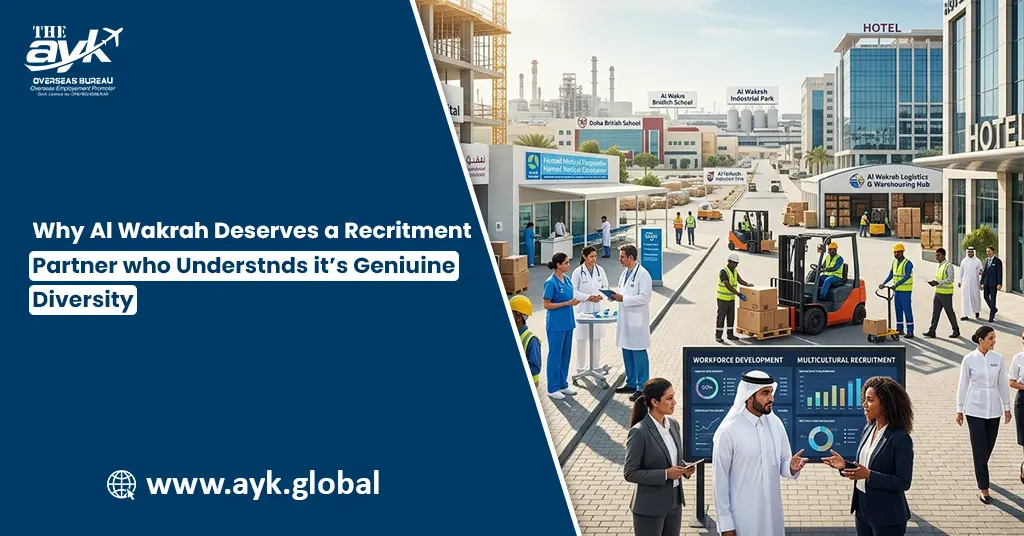 Why Al Wakrah Deserves a Recruitment Partner Who Understands Its Genuine Diversity
 KSA Recruitment
 UAE Recruitment
 Qatar Recruitment
 Oman Recruitment
 Kuwait Recruitment
 Libya Recruitment
 Bahrain Recruitment
 Iraq Recruitment
 Malaysia Recruitment
 Malta Recruitment
 Canada Recruitment
 USA Recruitment
 Europe Recruitment
 UK Recruitment
 Romania Recruitment
 Poland Recruitment
 Bulgaria Recruitment
 Albania Recruitment
 Serbia Recruitment
 Lithuania Recruitment
 Japan Recruitment
 Turkey Recruitment
 Kyrgyzstan Recruitment
 South Korea Recruitment