Best Workforce Management Strategies for Employers
Published: July 07, 2026 | Views: 4
Best Workforce Management Strategies for Employers
Introduction
Effective workforce management is one of the most important factors that determines the success and stability of a business. Employees are the foundation of every organization, and managing them efficiently helps companies improve productivity, reduce costs, enhance employee satisfaction, and achieve long-term goals. Modern employers face many workforce challenges, including talent shortages, changing employee expectations, remote work trends, skill gaps, high turnover rates, and increasing competition for qualified professionals. Without proper workforce management strategies, businesses may struggle with inefficient operations, poor communication, and reduced employee performance. Professional workforce management focuses on planning, organizing, developing, and optimizing employees to ensure the right people are working in the right roles at the right time. By implementing effective strategies related to workforce planning, employee engagement, performance management, training, and technology adoption, employers can create productive workplaces and build stronger teams. Understanding the best workforce management strategies allows organizations to improve operational efficiency while supporting employee growth and business success.
1. Developing a Strategic Workforce Planning Approach
Strategic workforce planning is the foundation of effective workforce management because it helps employers prepare for current and future staffing needs. This process involves analyzing business goals, identifying required skills, forecasting employee requirements, and developing plans to address workforce gaps. Employers need to understand how many employees are needed, what skills are required, and how workforce demands may change as the business grows. Professional workforce planning helps organizations avoid sudden staffing shortages, improve resource allocation, and make better hiring decisions. It also supports succession planning by identifying potential leaders and preparing employees for future responsibilities. By connecting workforce strategies with business objectives, employers can create a flexible and prepared workforce capable of adapting to changing market conditions.
2. Hiring the Right Talent Through Effective Recruitment
Successful workforce management begins with attracting and selecting the right employees. Hiring individuals who have the necessary skills, experience, and cultural compatibility improves productivity and reduces future workforce challenges. Employers can improve recruitment by creating accurate job descriptions, using multiple talent sourcing channels, conducting structured interviews, and evaluating candidates based on clear criteria. Professional HR support helps businesses develop recruitment strategies that attract high-quality professionals while reducing hiring time and costs. Selecting the right employees from the beginning creates stronger teams and improves long-term retention. Effective recruitment is not only about filling vacancies; it is about building a workforce that supports organizational growth and success.
3. Creating Effective Employee Onboarding Programs
A strong onboarding process helps new employees transition smoothly into their roles and understand company expectations. Effective workforce management requires employers to provide proper introductions, role-specific training, workplace policies, team connections, and necessary resources from the beginning. A structured onboarding program improves employee confidence, reduces confusion, and helps new hires become productive faster. Employers should focus on creating positive first experiences that make employees feel welcomed and valued. Regular communication, mentorship opportunities, and early feedback also contribute to successful onboarding. When employees receive proper support during their initial stages, they are more likely to remain engaged and committed to the organization.
4. Improving Employee Engagement and Workplace Culture
Employee engagement is a key component of successful workforce management because engaged employees are more productive, motivated, and loyal. Employers can improve engagement by creating a positive workplace culture based on trust, communication, recognition, and respect. Effective workforce strategies include employee feedback systems, recognition programs, team-building activities, career growth opportunities, and open communication channels. A strong workplace culture encourages employees to contribute ideas, collaborate effectively, and feel connected to organizational goals. Employers who prioritize employee engagement often experience better performance, lower turnover, and stronger workplace relationships. Building a supportive culture is not only beneficial for employees but also creates a competitive advantage for businesses.
5. Implementing Performance Management Systems
Performance management helps employers measure employee contributions, identify improvement opportunities, and support professional development. A successful performance management system includes clear goals, regular feedback, performance evaluations, coaching, and recognition of achievements. Employers should ensure employees understand expectations and have the resources needed to succeed in their roles. HR professionals help design performance frameworks that align individual goals with business objectives. Continuous feedback allows employees to improve their skills and maintain high performance levels. Effective performance management creates accountability while encouraging growth, motivation, and productivity across the organization.
6. Investing in Employee Training and Skill Development
Continuous learning and skill development are essential parts of effective workforce management. As industries evolve and technology advances, employees need opportunities to improve their knowledge and adapt to new challenges. Employers can strengthen their workforce by providing professional training programs, workshops, mentorship opportunities, leadership development, and career growth pathways. HR teams help identify skill gaps and create learning strategies that align employee development with business objectives. Investing in employee development improves productivity, increases confidence, and prepares workers for future responsibilities. Employees who receive growth opportunities are more likely to remain engaged and committed to the organization. A strong learning culture also helps businesses build internal talent pipelines and reduce dependence on external hiring.
7. Using Technology for Better Workforce Management
Modern workforce management relies heavily on technology to improve efficiency, accuracy, and decision-making. Employers can use HR technology solutions such as workforce management software, employee management systems, payroll platforms, scheduling tools, and performance tracking systems to streamline daily operations. These tools help organizations manage employee information, monitor productivity, automate administrative tasks, and analyze workforce trends. Technology also supports remote and hybrid work models by improving communication and collaboration between teams. Data-driven workforce management allows employers to make informed decisions regarding hiring, staffing, employee performance, and resource allocation. By adopting the right technology, businesses can reduce administrative workload and create more efficient workforce processes.
8. Creating Effective Employee Retention Strategies
Employee retention is a major challenge for many organizations, especially in competitive industries where skilled professionals have multiple career opportunities. Effective workforce management requires employers to understand why employees leave and develop strategies to encourage long-term commitment. Retention strategies may include competitive compensation, employee recognition, career advancement opportunities, flexible work options, wellness programs, and improved workplace communication. Employers should regularly collect employee feedback to identify concerns and address issues before they lead to resignations. Strong retention strategies help businesses preserve valuable knowledge, reduce recruitment costs, and maintain stable teams. When employees feel appreciated, supported, and connected to the organization, they are more likely to contribute positively for the long term.
9. Promoting Effective Communication and Collaboration
Clear communication is essential for maintaining an organized and productive workforce. Employers should establish communication systems that allow employees and managers to share information, provide feedback, and collaborate effectively. Workforce management strategies should include regular meetings, transparent policies, digital communication tools, and open channels for employee suggestions. Good communication reduces misunderstandings, improves teamwork, and creates stronger relationships between employees and leadership. In remote and multicultural workplaces, effective communication becomes even more important because teams may work across different locations and backgrounds. Employers who prioritize communication create more connected workplaces where employees understand their responsibilities and work together toward common goals.
10. Building a Flexible and Future-Ready Workforce Strategy
The modern business environment changes quickly, requiring employers to create workforce strategies that are adaptable and future-focused. A flexible workforce approach allows organizations to respond to market changes, technological developments, and evolving employee expectations. Employers can build future-ready teams by supporting flexible work arrangements, developing leadership pipelines, encouraging innovation, and regularly reviewing workforce needs. Strategic workforce management also involves preparing employees for future roles through training, succession planning, and continuous improvement initiatives. Organizations that remain flexible are better equipped to handle uncertainty and maintain productivity during periods of change. A future-ready workforce strategy ensures businesses remain competitive while creating opportunities for employees to grow and succeed.
Conclusion
Effective workforce management is essential for building successful and sustainable organizations. By implementing strategic workforce planning, improving recruitment, investing in employee development, using technology, strengthening communication, and focusing on retention, employers can create productive and engaged teams. Modern businesses must move beyond traditional employee management and adopt flexible strategies that support both organizational goals and employee needs. A well-managed workforce provides companies with greater efficiency, stronger performance, and the ability to compete successfully in a changing business environment. Investing in professional workforce management strategies allows employers to develop talented teams and achieve long-term business success.
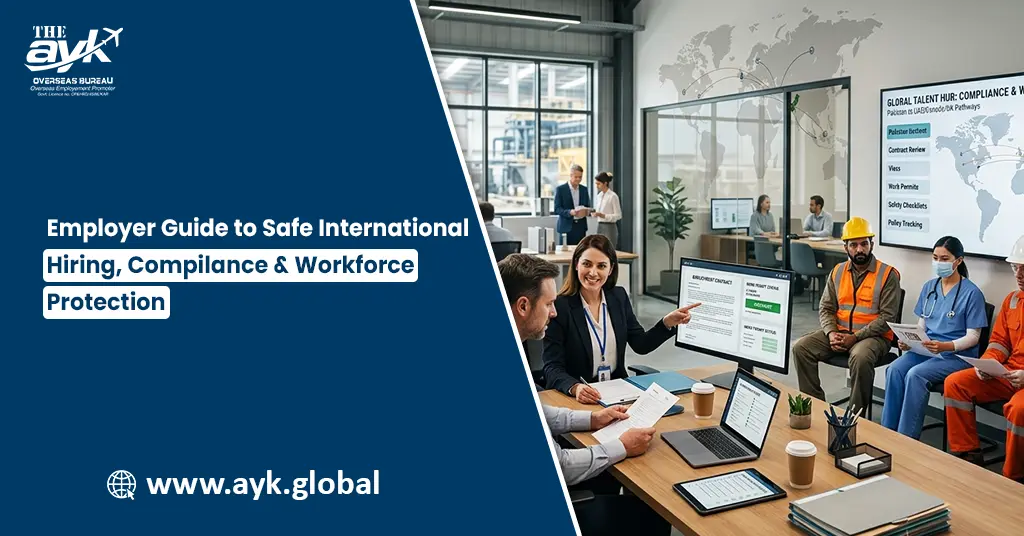 Employer Guide to Safe International Hiring, Compliance & Workforce Protection
 How to Pass GCC Employer Interviews Successfully
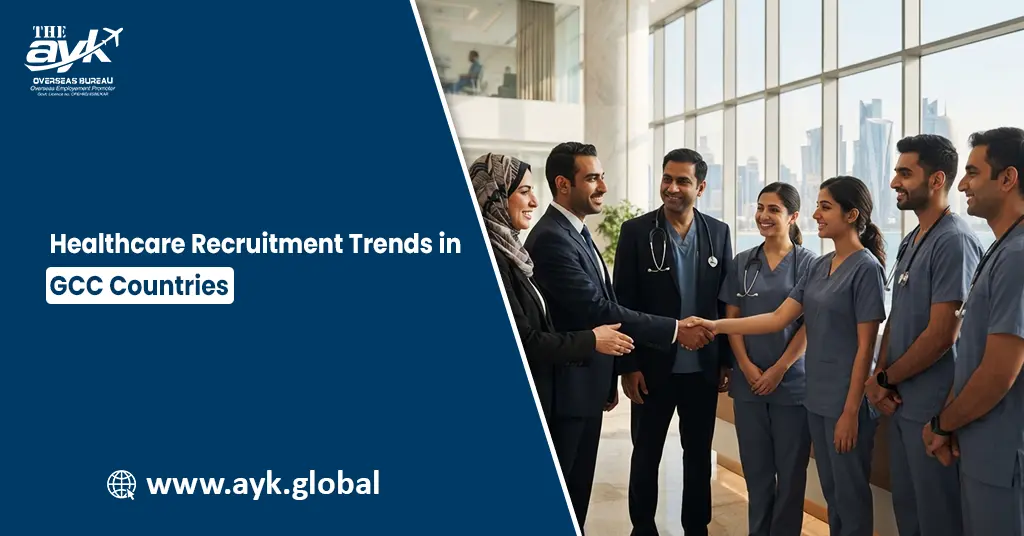 Healthcare Recruitment Trends in GCC Countries
 KSA Recruitment
 UAE Recruitment
 Qatar Recruitment
 Oman Recruitment
 Kuwait Recruitment
 Libya Recruitment
 Bahrain Recruitment
 Iraq Recruitment
 Malaysia Recruitment
 Malta Recruitment
 Canada Recruitment
 USA Recruitment
 Europe Recruitment
 UK Recruitment
 Romania Recruitment
 Poland Recruitment
 Bulgaria Recruitment
 Albania Recruitment
 Serbia Recruitment
 Lithuania Recruitment
 Japan Recruitment
 Turkey Recruitment
 Kyrgyzstan Recruitment
 South Korea Recruitment