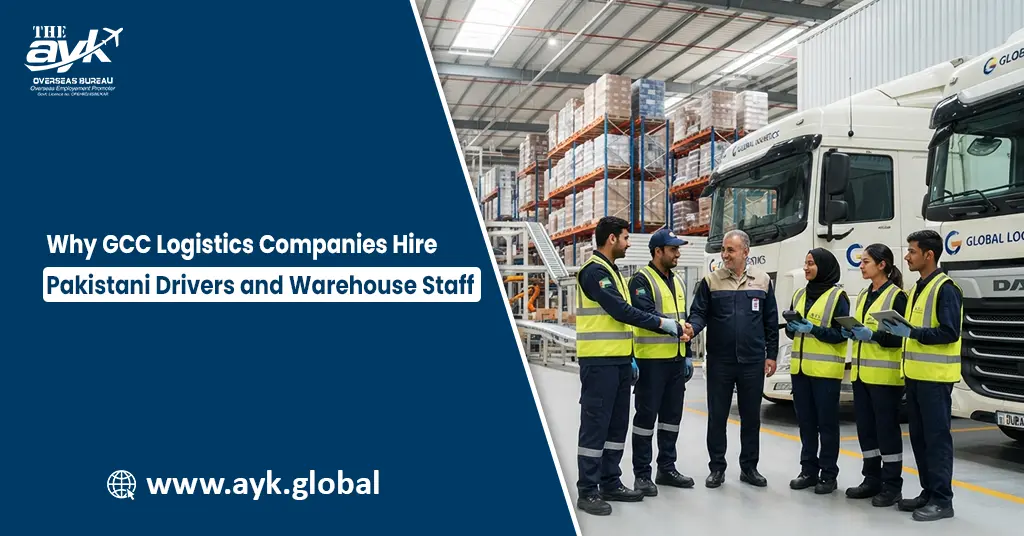
Why GCC Logistics Companies Hire Pakistani Drivers and Warehouse Staff
Published: July 03, 2026 | Views: 11
Introduction
The logistics sector in GCC countries—Saudi Arabia, United Arab Emirates, Qatar, Kuwait, Oman, and Bahrain—is growing rapidly due to expanding trade, e-commerce, retail distribution, construction supply chains, and industrial imports/exports. As a result, logistics companies are under constant pressure to maintain fast, reliable, and cost-efficient operations.
To meet this demand, GCC logistics companies heavily rely on foreign manpower, and Pakistani drivers and warehouse staff are among the most preferred workforce groups. Their experience, discipline, and adaptability make them a strong fit for demanding logistics environments.
This guide explains why Pakistani drivers and warehouse workers are highly valued in GCC logistics operations.
Strong Driving Experience and Road Discipline
One of the main reasons GCC logistics companies prefer Pakistani drivers is their strong hands-on driving experience, especially in long-distance and heavy vehicle operations. Many drivers from Pakistan have prior experience handling trucks, trailers, and delivery vehicles in both local and international routes.
GCC logistics environments require drivers who can manage long shifts, high-value cargo, and strict delivery schedules. Pakistani drivers are known for their ability to adapt to highway driving, desert routes, and urban delivery systems, making them highly reliable for logistics operations.
Key strengths include:
- Experience with heavy trucks and trailers
- Long-distance driving capability
- Familiarity with cargo transport procedures
- Ability to handle tight delivery schedules
- Adaptability to GCC road systems
Availability of Skilled Warehouse Workforce
Warehouse operations in GCC countries require large numbers of workers for loading, unloading, sorting, packaging, and inventory management. Pakistani workers are widely recruited due to their prior experience in warehouse environments and industrial labor markets.
They are generally familiar with physical workload, shift-based systems, and teamwork-based operations, which are essential in fast-moving logistics hubs like ports, distribution centers, and retail warehouses.
Common roles include:
- Warehouse helpers
- Loaders and unloaders
- Inventory assistants
- Packing staff
- Forklift helpers
Adaptability to GCC Work Environments
Pakistani logistics workers are highly adaptable to GCC working conditions, which often include long working hours, hot climates, and high-pressure delivery schedules. This adaptability is a key factor for logistics companies that operate under strict timelines.
Their ability to adjust quickly to new systems, supervisors, and operational procedures makes them a preferred choice for employers who need stable and flexible manpower.
Advantages include:
- Quick adaptation to new environments
- Ability to work in hot climates
- Flexibility in shift schedules
- Strong teamwork mindset
- High job retention in logistics roles
Cost Efficiency for GCC Logistics Companies
One of the major reasons GCC logistics companies prefer Pakistani drivers and warehouse staff is cost efficiency. Hiring from Pakistan allows companies to maintain competitive labor costs without compromising operational quality.
Pakistani workers generally offer a strong balance between skill level and salary expectations compared to many other labor markets. This helps logistics companies reduce overall operational expenses, especially in high-volume distribution centers and transport fleets.
Cost advantages include:
- Competitive salary expectations
- Lower training and onboarding costs
- Reduced turnover-related expenses
- Efficient workforce for large-scale operations
Reliable Recruitment and Trade Testing Process
GCC logistics companies often rely on structured recruitment systems to ensure they hire the right candidates. Recruitment agencies conduct screening, interviews, and sometimes trade testing for drivers and warehouse staff.
Drivers may be tested on road knowledge, vehicle handling, and safety awareness, while warehouse staff may be evaluated on loading speed, accuracy, and physical capability.
This process ensures:
- Hiring of job-ready workers
- Reduced operational risks
- Better performance from day one
- Fewer errors in logistics operations
Documentation and Visa Processing
Proper documentation is essential for hiring Pakistani logistics workers in GCC countries. Companies must verify identity documents, driving licenses (for drivers), work experience, and medical fitness reports.
Visa processing is handled through recruitment agencies and must comply with GCC labor regulations. Any mismatch in job title or documents can delay deployment.
Key requirements include:
- Valid passport
- Driving license (for drivers)
- Experience certificates
- Medical fitness report
- Employment contract
Safety Awareness and Compliance Standards
Logistics operations in GCC countries require strict adherence to safety rules, especially for drivers handling heavy vehicles and warehouse staff working with machinery.
Pakistani workers are often trained in basic safety practices, which helps reduce workplace accidents and improves operational compliance.
Safety benefits include:
- Reduced accident rates
- Better handling of cargo
- Compliance with GCC transport laws
- Safer warehouse operations
Retention and Workforce Stability
Retention is crucial in logistics operations because frequent worker turnover can disrupt supply chain efficiency. Pakistani workers are known for relatively stable job tenure in GCC logistics roles.
Companies improve retention through competitive salaries, overtime opportunities, accommodation facilities, and stable shift systems.
Retention advantages include:
- Stable workforce availability
- Reduced recruitment frequency
- Higher operational consistency
- Better long-term planning
Conclusion
GCC logistics companies hire Pakistani drivers and warehouse staff due to their cost efficiency, reliable recruitment process, safety awareness, and strong adaptability to demanding logistics environments. Their contribution plays a key role in keeping supply chains efficient and operational across the Gulf region.
 GCC Jobs with Overtime Benefits and Higher Earnings
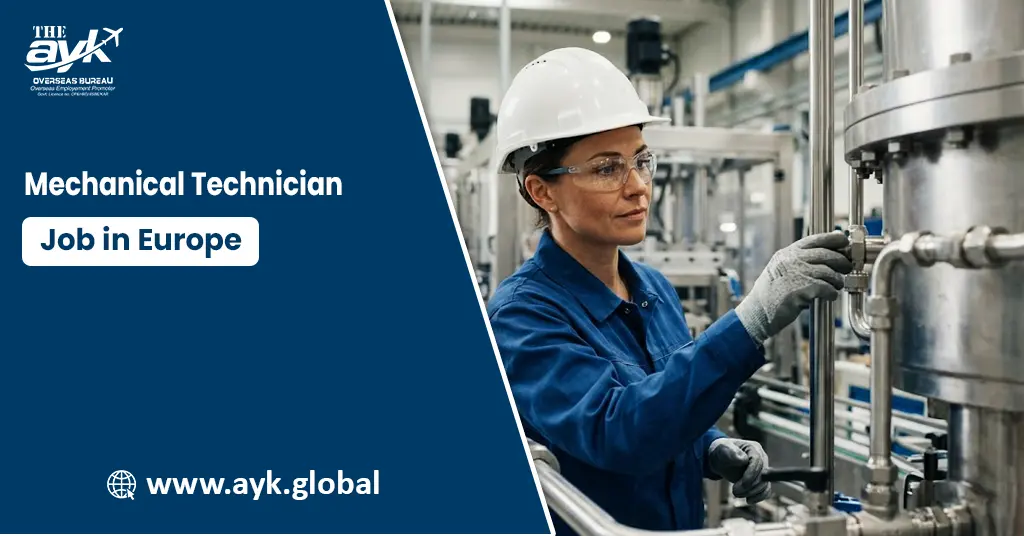 Mechanical Technician Jobs in Europe
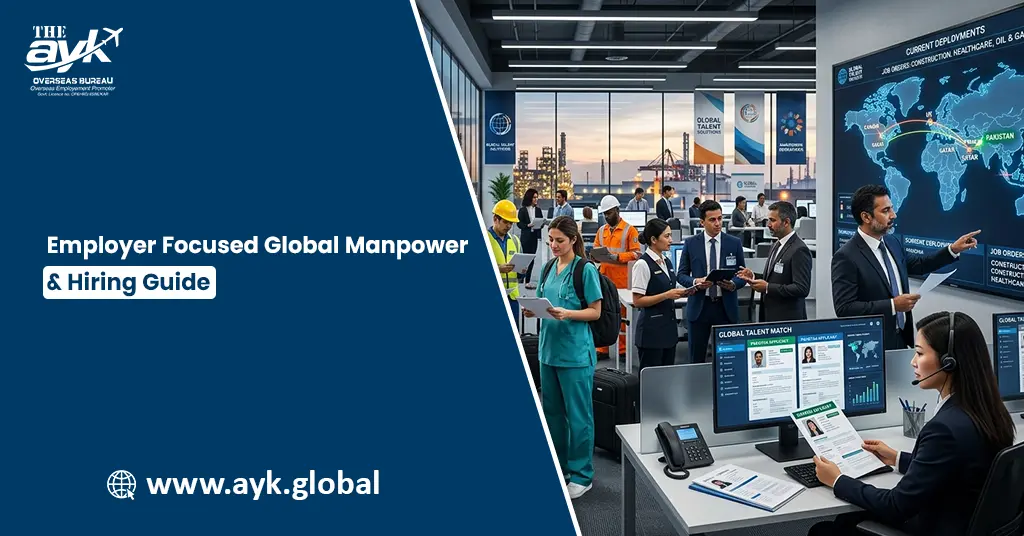 Employer-Focused Global Manpower & Hiring Guide
 KSA Recruitment
 UAE Recruitment
 Qatar Recruitment
 Oman Recruitment
 Kuwait Recruitment
 Libya Recruitment
 Bahrain Recruitment
 Iraq Recruitment
 Malaysia Recruitment
 Malta Recruitment
 Canada Recruitment
 USA Recruitment
 Europe Recruitment
 UK Recruitment
 Romania Recruitment
 Poland Recruitment
 Bulgaria Recruitment
 Albania Recruitment
 Serbia Recruitment
 Lithuania Recruitment
 Japan Recruitment
 Turkey Recruitment
 Kyrgyzstan Recruitment
 South Korea Recruitment