Workforce Planning Strategies for Growing Organizations
Published: July 07, 2026 | Views: 2
Workforce Planning Strategies for Growing Organizations
Introduction
As organizations expand, managing people effectively becomes just as important as increasing sales, developing new products, or entering new markets. Growth creates new opportunities, but it also introduces workforce challenges such as talent shortages, changing skill requirements, leadership gaps, and increased operational complexity. Without a structured workforce planning strategy, businesses may struggle with overstaffing, understaffing, rising labor costs, and reduced productivity. Workforce planning is a strategic process that ensures an organization has the right people, with the right skills, in the right roles, at the right time. It aligns human resources with long-term business objectives, enabling companies to respond proactively to market changes while maintaining operational efficiency. By implementing effective workforce planning strategies, growing organizations can improve employee performance, reduce recruitment risks, strengthen succession planning, and build a workforce capable of supporting sustainable business growth for years to come.
1. Understanding the Importance of Workforce Planning
Workforce planning is far more than forecasting future hiring needs. It is a comprehensive strategy that evaluates current workforce capabilities, identifies future business objectives, predicts talent requirements, and develops action plans to close skill gaps before they affect operations. As organizations grow, workforce planning helps leaders make informed decisions regarding recruitment, employee development, promotions, and resource allocation. Instead of reacting to staffing shortages after they occur, businesses become proactive by preparing for future workforce demands. This approach improves productivity, reduces recruitment costs, minimizes operational disruptions, and ensures every department has access to qualified professionals when needed. Effective workforce planning provides organizations with the flexibility and stability required to compete successfully in rapidly changing business environments.
2. Aligning Workforce Planning with Business Goals
Successful workforce planning begins with a clear understanding of an organization's long-term vision and strategic objectives. HR professionals collaborate closely with business leaders to analyze expansion plans, financial forecasts, operational priorities, and future market opportunities. By aligning workforce planning with business goals, organizations ensure their hiring decisions directly support company growth rather than simply replacing employees who leave. For example, businesses entering new markets may require multilingual professionals, while organizations adopting new technologies may need employees with specialized technical expertise. Strategic alignment allows companies to anticipate workforce needs well in advance, ensuring they possess the necessary talent to execute business plans efficiently while maintaining competitiveness in their industry.
3. Analyzing the Current Workforce
Before planning for the future, organizations must thoroughly understand their existing workforce. HR teams evaluate employee skills, qualifications, experience levels, performance records, productivity, demographics, retirement projections, and organizational structure. This comprehensive assessment identifies strengths, weaknesses, high-performing employees, leadership potential, and areas where additional talent is needed. Workforce analysis also reveals departments experiencing high turnover or skill shortages that may hinder future growth. By maintaining accurate workforce data, organizations can make evidence-based decisions regarding recruitment, promotions, training, and succession planning. A detailed understanding of the current workforce provides the foundation for every successful workforce planning strategy.
4. Forecasting Future Talent Requirements
Growing organizations must accurately predict the number and type of employees they will require in the future. Workforce forecasting considers business expansion plans, projected sales growth, technological advancements, market trends, customer demand, and economic conditions to estimate future staffing needs. HR professionals work with department managers to identify positions that may become critical as the organization evolves. Forecasting also accounts for expected retirements, employee turnover, internal promotions, and emerging skill requirements. By anticipating workforce demands early, businesses avoid last-minute recruitment challenges, reduce hiring costs, and ensure qualified professionals are available when expansion opportunities arise. Accurate forecasting enables organizations to grow confidently while maintaining operational continuity.
5. Identifying Skills Gaps and Workforce Development Needs
As industries continue to evolve, many organizations discover that existing employees require new skills to support changing business requirements. Workforce planning involves identifying gaps between current workforce capabilities and the skills needed for future success. HR professionals conduct competency assessments, performance evaluations, employee surveys, and departmental reviews to determine where additional training or recruitment is necessary. Rather than relying exclusively on external hiring, organizations often invest in employee development programs that strengthen existing talent through technical training, leadership development, mentoring, certifications, and continuous learning opportunities. Addressing skill gaps proactively helps businesses remain competitive while improving employee engagement, career progression, and long-term retention.
6. Building a Strong Talent Pipeline
A growing organization cannot afford to wait until a position becomes vacant before beginning the hiring process. One of the most effective workforce planning strategies is developing a strong talent pipeline that provides access to qualified candidates whenever new opportunities arise. HR teams build talent pipelines by maintaining relationships with previous applicants, engaging with university graduates, participating in industry events, strengthening employee referral programs, and connecting with professionals through networking platforms. A well-developed talent pipeline reduces recruitment time, lowers hiring costs, and minimizes operational disruptions caused by unexpected vacancies. It also allows businesses to compete more effectively for top talent because potential candidates are already familiar with the organization and its values. By continuously nurturing relationships with skilled professionals, companies ensure they have access to the right people as the business continues to expand.
7. Developing Leadership Through Succession Planning
Long-term organizational growth depends not only on hiring new employees but also on preparing future leaders from within the company. Succession planning is an essential workforce planning strategy that identifies high-potential employees and prepares them for leadership positions through mentoring, coaching, job rotations, and leadership development programs. HR professionals work closely with senior management to identify critical positions that may become vacant due to retirement, promotions, or business expansion. Instead of scrambling to fill leadership roles when vacancies occur, organizations with effective succession plans have qualified internal candidates ready to step into key positions. This approach preserves organizational knowledge, maintains business continuity, boosts employee motivation, and demonstrates clear career advancement opportunities that improve long-term employee retention.
8. Leveraging Technology and Workforce Analytics
Technology has transformed workforce planning by enabling organizations to make accurate, data-driven decisions. Modern Human Resource Information Systems (HRIS), workforce management software, artificial intelligence, and predictive analytics provide valuable insights into employee performance, turnover trends, productivity, hiring patterns, and future workforce requirements. HR professionals use these tools to identify staffing shortages, monitor workforce costs, evaluate recruitment effectiveness, and forecast future labor demands with greater accuracy. Workforce analytics also helps organizations measure the success of training programs, identify high-performing employees, and optimize resource allocation across departments. By integrating technology into workforce planning, businesses improve decision-making, reduce uncertainty, and develop more effective strategies for managing organizational growth.
9. Creating Flexible Workforce Strategies
Business environments constantly evolve due to technological innovation, economic changes, seasonal demand, and shifting customer expectations. Growing organizations benefit from workforce planning strategies that provide flexibility in responding to these changes. HR professionals develop workforce models that combine permanent employees with temporary staff, contract professionals, freelancers, remote workers, and part-time employees when appropriate. Flexible workforce planning allows organizations to scale operations efficiently without overcommitting resources during periods of uncertainty. HR teams also implement cross-training programs that enable employees to perform multiple roles when business needs change. A flexible workforce improves resilience, supports operational continuity, and ensures organizations can respond quickly to both opportunities and unexpected challenges while maintaining productivity and service quality.
10. Continuously Reviewing and Improving Workforce Plans
Workforce planning should never be viewed as a one-time activity. As organizations grow, business priorities, market conditions, workforce demographics, and technology continue to change. HR professionals regularly review workforce plans by analyzing hiring performance, employee retention, productivity, training outcomes, labor costs, and future business objectives. Regular evaluations help identify emerging skill shortages, changing workforce expectations, and opportunities for process improvement. Organizations also gather feedback from managers and employees to ensure workforce strategies remain practical and effective. Continuous improvement allows businesses to adjust staffing plans, update training initiatives, and refine recruitment strategies before challenges affect operations. Companies that consistently evaluate and improve their workforce planning processes remain agile, competitive, and well-prepared for long-term growth.
Conclusion
Workforce planning is a critical business strategy that enables growing organizations to build a strong, skilled, and adaptable workforce capable of supporting long-term success. By aligning workforce strategies with business goals, analyzing current talent, forecasting future staffing needs, addressing skill gaps, building talent pipelines, developing future leaders, leveraging technology, and maintaining flexible staffing models, organizations can confidently manage growth while minimizing workforce challenges. Continuous evaluation and improvement ensure workforce planning remains relevant in an ever-changing business environment. Companies that invest in strategic workforce planning are better positioned to improve productivity, strengthen employee engagement, reduce recruitment risks, and achieve sustainable growth in an increasingly competitive marketplace.
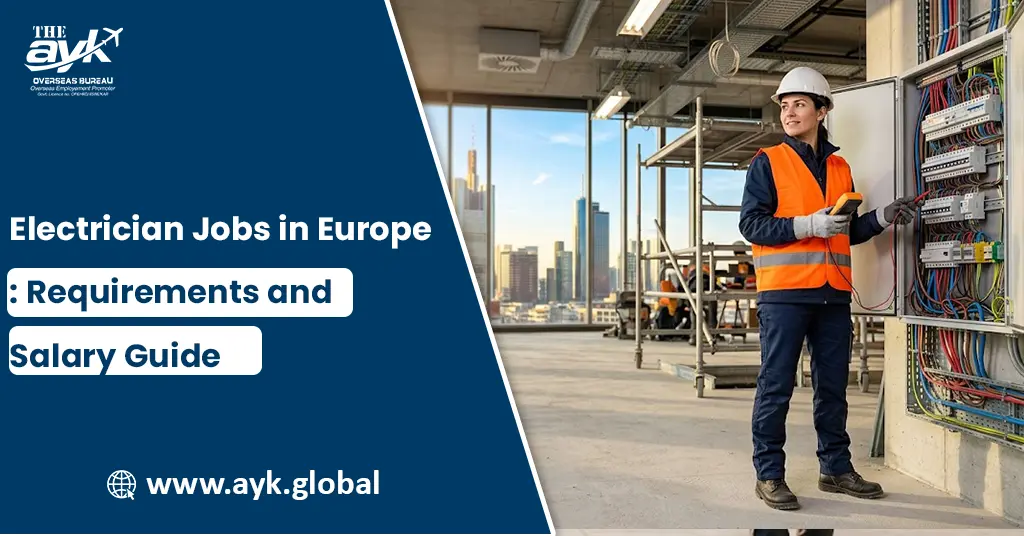 Electrician Jobs in Europe: Requirements and Salary Guide
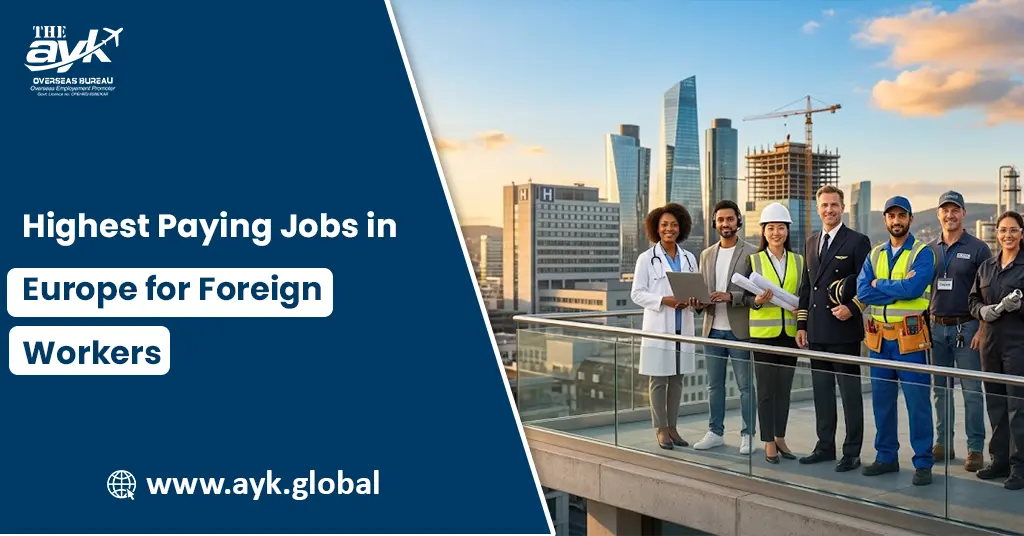 Highest Paying Jobs in Europe for Foreign Workers
 Europe Jobs Without IELTS: What You Need to Know
 KSA Recruitment
 UAE Recruitment
 Qatar Recruitment
 Oman Recruitment
 Kuwait Recruitment
 Libya Recruitment
 Bahrain Recruitment
 Iraq Recruitment
 Malaysia Recruitment
 Malta Recruitment
 Canada Recruitment
 USA Recruitment
 Europe Recruitment
 UK Recruitment
 Romania Recruitment
 Poland Recruitment
 Bulgaria Recruitment
 Albania Recruitment
 Serbia Recruitment
 Lithuania Recruitment
 Japan Recruitment
 Turkey Recruitment
 Kyrgyzstan Recruitment
 South Korea Recruitment