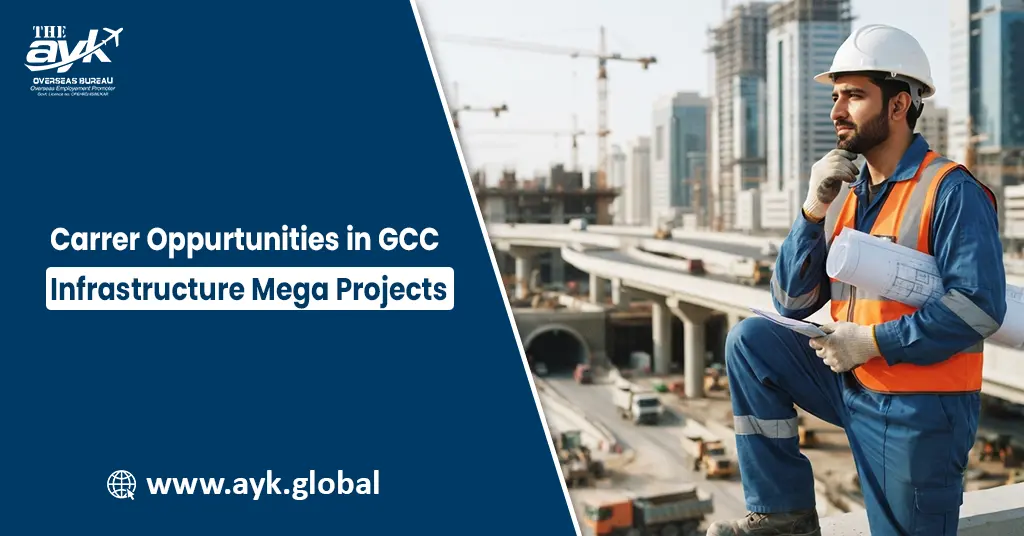
Career Opportunities in GCC Infrastructure Mega Projects
Published: July 02, 2026 | Views: 21
Introduction
The Gulf Cooperation Council (GCC) region is undergoing one of the largest infrastructure transformations in the world in 2026. Countries such as Saudi Arabia, United Arab Emirates (UAE), Qatar, Kuwait, Oman, and Bahrain are investing billions of dollars into mega projects focused on smart cities, transportation networks, industrial zones, tourism developments, airports, ports, and energy infrastructure.
These large-scale developments are creating massive employment opportunities for overseas workers, especially from Pakistan, India, Bangladesh, Nepal, and other labor-supplying countries. Pakistani workers are particularly in demand due to their experience, technical skills, and adaptability in construction and industrial sectors.
Infrastructure mega projects in GCC countries are not just limited to basic construction work; they include advanced engineering, project management, automation systems, and high-tech development work. This creates opportunities for both skilled and semi-skilled workers.
This guide explains in detail the career opportunities available in GCC infrastructure mega projects and how Pakistani workers can benefit from them.
Growth of Infrastructure Mega Projects in GCC
GCC countries are currently experiencing rapid infrastructure expansion driven by long-term economic visions such as Saudi Vision 2030 and UAE development strategies. These initiatives aim to diversify economies beyond oil dependency by investing heavily in construction, tourism, technology, and urban development.
Massive projects include smart cities, high-speed rail networks, industrial zones, entertainment hubs, and renewable energy plants. These projects require a large workforce at every level, from laborers to engineers and project managers.
Due to the scale of these developments, demand for foreign workers continues to grow, creating stable and long-term job opportunities.
Construction Sector Job Opportunities
The construction sector is the backbone of GCC infrastructure development. Thousands of workers are needed for ongoing and upcoming projects.
Common job roles include:
- General laborers
- Masons and bricklayers
- Steel fixers
- Carpenters
- Site helpers
Skilled construction workers are involved in structural development, building foundations, and finishing work.
This sector offers consistent employment opportunities and overtime benefits, making it highly attractive for Pakistani workers.
Engineering and Technical Roles
Engineering plays a key role in infrastructure mega projects. Civil, mechanical, electrical, and structural engineers are in high demand.
Key roles include:
- Civil engineers for project design and supervision
- Electrical engineers for power systems
- Mechanical engineers for machinery and equipment
- Site engineers for project coordination
Engineers are responsible for planning, execution, and quality control of large-scale projects.
These roles offer high salaries and long-term career growth opportunities in GCC countries.
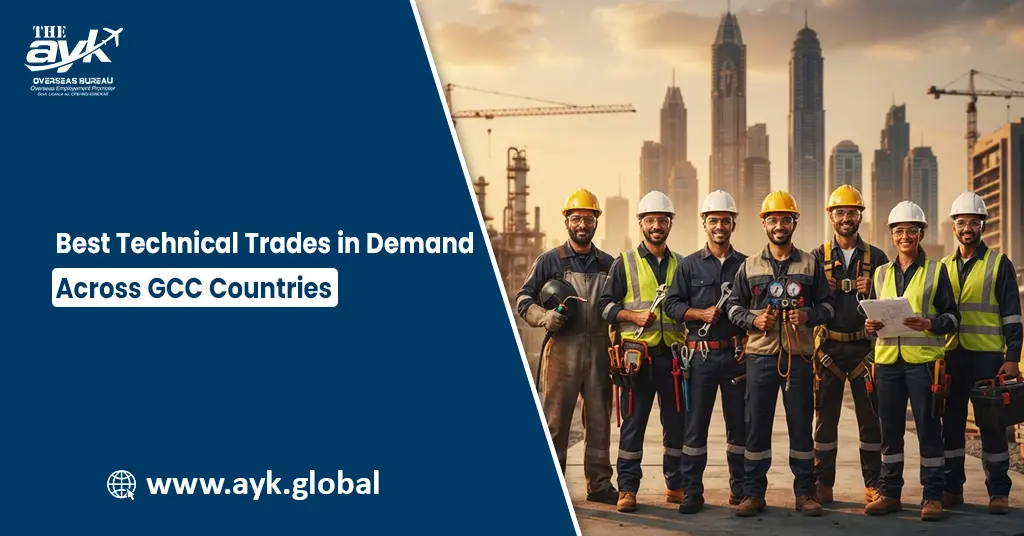
Skilled Trades in Infrastructure Projects
Skilled trades are essential for completing technical aspects of infrastructure projects.
In-demand skilled jobs include:
- Electricians
- Welders
- HVAC technicians
- Plumbers
- Pipe fitters
These workers handle installation, maintenance, and technical systems in construction sites.
Skilled trades are highly valued due to their practical importance in project execution.
Heavy Equipment and Machinery Operations
Infrastructure mega projects rely heavily on advanced machinery and heavy equipment.
Key roles include:
- Crane operators
- Excavator operators
- Bulldozer operators
- Forklift drivers
These operators are responsible for handling construction machinery safely and efficiently.
Certified operators with experience in large projects are offered higher salaries and better job stability.
Logistics and Supply Chain Jobs
Large infrastructure projects require strong logistics and supply chain systems to manage materials, tools, and equipment.
Job roles include:
- Warehouse supervisors
- Inventory controllers
- Material handlers
- Transport coordinators
These roles ensure smooth project operations and timely delivery of materials.
Logistics jobs offer stable income and continuous employment opportunities.
Safety and Site Management Roles
Safety is a top priority in GCC infrastructure projects. Employers require trained safety officers and supervisors to ensure compliance with regulations.
Key roles include:
- Safety officers
- Site supervisors
- Quality inspectors
- Compliance officers
These professionals monitor workplace safety, enforce regulations, and reduce risks on construction sites.
Safety-certified workers are highly valued in GCC projects.
Oil & Gas Infrastructure Projects
Oil and gas infrastructure remains one of the most important sectors in GCC countries, especially in Saudi Arabia and Kuwait.
Job opportunities include:
- Pipeline workers
- Refinery technicians
- Mechanical maintenance staff
- Electrical technicians
- Instrumentation specialists
These projects offer high salaries and long-term contracts due to their critical importance in the economy.
Transportation and Smart Mobility Projects
GCC countries are investing heavily in modern transportation systems such as highways, railways, metro systems, and airports.
Job roles include:
- Rail construction workers
- Electrical system installers
- Traffic management staff
- Airport construction workers
These projects are creating long-term employment opportunities for both skilled and semi-skilled workers.
Renewable Energy and Smart City Projects
In recent years, GCC countries have started investing in renewable energy and smart city development.
Job opportunities include:
- Solar panel technicians
- Smart system installers
- Electrical automation workers
- IT support technicians
These modern projects require workers with updated technical knowledge and digital skills.
Salary and Benefits in Mega Projects
Infrastructure mega projects in GCC countries offer competitive salaries and additional benefits such as:
- Free accommodation
- Transport facilities
- Medical insurance
- Overtime pay
- End-of-service benefits
Skilled workers and engineers receive higher salaries compared to unskilled laborers.
These benefits make GCC infrastructure projects highly attractive for overseas workers.
Career Growth Opportunities
Working in GCC infrastructure mega projects provides strong career growth opportunities. Workers can start in entry-level positions and gradually move into supervisory or technical roles.
Experienced workers often get promoted to:
- Foreman
- Site supervisor
- Project coordinator
- Technical specialist
GCC experience is highly valued internationally, opening doors for future global opportunities.
Conclusion
GCC infrastructure mega projects offer some of the best career opportunities for Pakistani workers in 2026. With massive investments in construction, engineering, transportation, energy, and smart city development, demand for skilled and semi-skilled workers continues to grow.
These projects provide stable employment, attractive salaries, and long-term career growth in Saudi Arabia, UAE, Qatar, Kuwait, Oman, and Bahrain.
Workers who develop technical skills and gain experience in large-scale projects can build successful international careers.
 Gulf Nationalization Policies: What Saudization Means for You
 Best Technical Trades in Demand Across GCC Countries
 Why Skilled Workforce Recruitment Improves Productivity
 KSA Recruitment
 UAE Recruitment
 Qatar Recruitment
 Oman Recruitment
 Kuwait Recruitment
 Libya Recruitment
 Bahrain Recruitment
 Iraq Recruitment
 Malaysia Recruitment
 Malta Recruitment
 Canada Recruitment
 USA Recruitment
 Europe Recruitment
 UK Recruitment
 Romania Recruitment
 Poland Recruitment
 Bulgaria Recruitment
 Albania Recruitment
 Serbia Recruitment
 Lithuania Recruitment
 Japan Recruitment
 Turkey Recruitment
 Kyrgyzstan Recruitment
 South Korea Recruitment