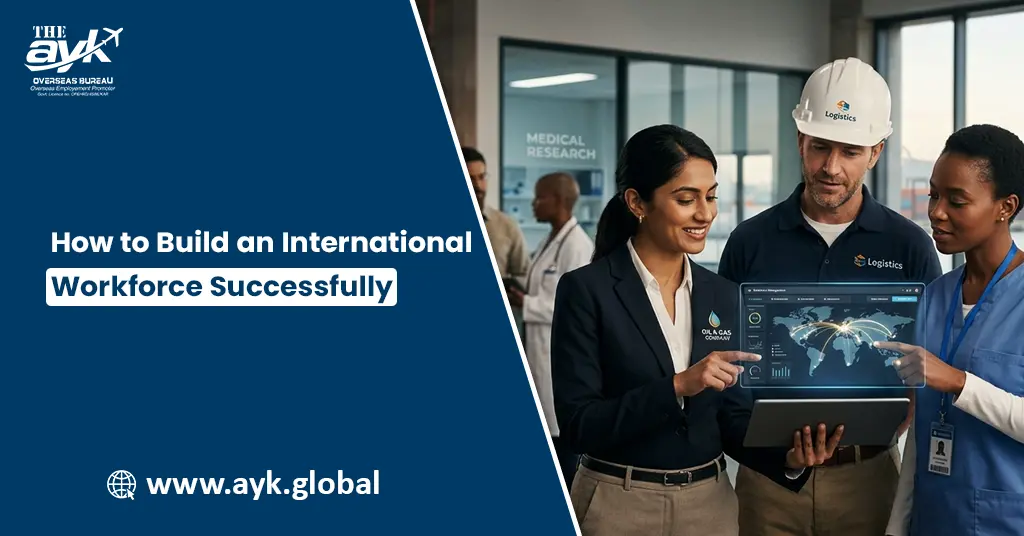
How to Build an International Workforce Successfully
Published: June 24, 2026 | Views: 26
Introduction
Building an international workforce has become a strategic priority for employers across construction, healthcare, manufacturing, logistics, hospitality, engineering, transportation, facilities management, oil and gas, and industrial sectors. As labor shortages continue affecting domestic labor markets, organizations increasingly rely on international recruitment to secure the talent needed for growth and operational success.
An international workforce provides access to broader talent pools, specialized skills, workforce flexibility, and improved scalability. Companies that successfully recruit and integrate international workers often gain significant competitive advantages through stronger productivity, workforce stability, and business expansion opportunities.
However, building an international workforce requires more than simply hiring employees from different countries. Employers must develop workforce strategies that address planning, sourcing, candidate verification, onboarding, workforce integration, retention, compliance, and long-term workforce development.
Organizations that approach international recruitment strategically are generally more successful than those relying on short-term hiring solutions. A structured workforce strategy helps businesses attract qualified talent, improve workforce quality, and reduce recruitment risks.
As global labor mobility continues increasing, international workforce development is becoming an essential component of modern business operations. Employers that establish strong workforce foundations today will be better positioned to navigate future labor market challenges.
This guide explains how employers can build an international workforce successfully and create sustainable workforce solutions that support long-term growth.
1. Start with Strategic Workforce Planning
Every successful international workforce begins with workforce planning. Employers should clearly define staffing requirements, workforce objectives, project timelines, and operational needs before launching recruitment activities.
Workforce planning helps organizations determine how many employees are required, what skills are needed, and which workforce categories should be prioritized. Employers can also identify future workforce requirements and develop recruitment strategies that support long-term growth.
Without proper planning, businesses may encounter staffing shortages, recruitment inefficiencies, and operational disruptions. International recruitment often requires additional time for sourcing, screening, compliance, and mobilization activities.
Organizations that invest in workforce planning generally achieve stronger hiring outcomes and greater workforce stability.
Workforce Planning Benefits
Staffing requirements become clearer.
Recruitment activities become more effective.
Long-term workforce stability improves.
2. Identify Workforce Gaps Early
Understanding workforce gaps is essential for effective international recruitment. Employers should evaluate current staffing levels and identify areas where workforce shortages affect productivity, service delivery, or business growth.
Workforce gap analysis helps organizations determine which positions are difficult to fill locally and where international recruitment can provide the greatest value. This process also supports more accurate workforce forecasting.
Employers that identify workforce gaps early are better positioned to launch recruitment initiatives before staffing shortages become critical. Proactive hiring improves workforce readiness and operational performance.
Strategic workforce assessments help businesses build stronger recruitment plans and improve hiring efficiency.
Workforce Gap Benefits
Recruitment priorities become more focused.
Future workforce shortages are reduced.
Operational readiness improves.
3. Develop a Global Recruitment Strategy
A successful international workforce requires a clear recruitment strategy. Employers should identify target labor markets, workforce categories, recruitment channels, and candidate sourcing methods before beginning hiring activities.
Global recruitment strategies help organizations access qualified workers more efficiently and improve workforce quality. Employers can evaluate different labor markets and determine where talent availability aligns with business needs.
A structured recruitment strategy also improves scalability because organizations can expand workforce sourcing efforts as staffing requirements grow.
Businesses that develop long-term global recruitment strategies often achieve stronger workforce outcomes and improved hiring consistency.
Recruitment Strategy Benefits
Candidate sourcing becomes more effective.
Workforce quality improves significantly.
Hiring processes become scalable.
4. Prioritize Candidate Quality
Building a successful workforce depends on workforce quality rather than workforce quantity alone. Employers should focus on recruiting individuals who possess the skills, experience, certifications, and competencies required for success.
Candidate quality directly affects productivity, safety, customer satisfaction, operational efficiency, and profitability. Hiring decisions should therefore be based on verified information rather than assumptions.
Organizations should implement structured screening processes that include interviews, qualification verification, reference checks, and workforce assessments. These activities improve recruitment accuracy and reduce workforce risks.
Employers that prioritize workforce quality generally experience stronger operational performance and lower turnover rates.
Workforce Quality Benefits
Employees perform more effectively.
Productivity improves significantly.
Recruitment risks decrease.
5. Verify Skills Through Trade Testing
For many workforce categories, practical skills are just as important as qualifications and experience. Trade testing allows employers to verify competencies before candidates are deployed.
Electricians, welders, plumbers, technicians, machine operators, maintenance specialists, and other skilled workers can demonstrate practical abilities through structured assessments. Employers gain direct evidence regarding workforce readiness.
Trade testing improves hiring confidence and reduces uncertainty. Workforce quality increases because candidates are evaluated according to real-world performance standards.
Organizations that incorporate trade testing into recruitment processes often achieve stronger productivity and operational outcomes.
Trade Testing Benefits
Practical skills are verified directly.
Hiring confidence increases.
Workforce readiness improves.
6. Ensure Compliance from the Beginning
Compliance should be integrated into every stage of international recruitment. Employers must understand labor regulations, visa requirements, work permit procedures, employment standards, and workforce documentation obligations.
Compliance failures can result in delays, financial penalties, workforce deployment issues, and reputational risks. Employers should therefore establish structured compliance processes and maintain accurate records.
International hiring often involves multiple jurisdictions and regulatory frameworks. Compliance expertise helps organizations manage complexity and reduce recruitment risks.
Businesses that prioritize compliance generally experience smoother workforce mobilization and stronger hiring outcomes.
Compliance Benefits
Legal requirements are managed effectively.
Recruitment risks are reduced.
Workforce deployment becomes smoother.
7. Create a Structured Onboarding Process
Recruitment success does not end when a worker arrives at the workplace. A structured onboarding process is essential for helping international employees understand their responsibilities, workplace expectations, safety requirements, company policies, and organizational culture.
Many employers underestimate the importance of onboarding. Without proper guidance, new employees may struggle to adapt to their roles, which can affect productivity and workforce engagement. Effective onboarding programs help workers become productive more quickly while reducing confusion and workplace errors.
Organizations should provide orientation sessions, workplace training, safety briefings, role-specific guidance, and support resources. Clear communication helps international employees integrate successfully into their new environment.
Companies that invest in onboarding often experience stronger workforce performance, improved employee satisfaction, and better retention outcomes.
Onboarding Benefits
Employees become productive faster.
Workplace integration improves significantly.
Employee confidence increases.
8. Focus on Workforce Retention
Building an international workforce requires significant investment in recruitment, compliance, documentation, mobilization, and onboarding. Retaining skilled employees helps employers maximize the value of these investments.
High turnover rates can create workforce instability, increase recruitment expenses, and disrupt operations. Employers should therefore focus on creating workplace environments that encourage long-term employee commitment.
Retention strategies may include competitive compensation, career development opportunities, employee recognition programs, supportive management practices, and workforce engagement initiatives. International employees are more likely to remain with organizations that provide growth opportunities and professional support.
Organizations that prioritize retention generally experience stronger workforce stability and improved operational continuity.
Retention Benefits
Turnover rates decrease significantly.
Recruitment costs are reduced.
Workforce continuity improves.
9. Build an Inclusive Company Culture
An international workforce often includes employees from diverse cultural, educational, and professional backgrounds. Building an inclusive company culture helps organizations maximize the benefits of workforce diversity.
Employees who feel respected, supported, and valued are generally more engaged and productive. Inclusive workplaces encourage collaboration, communication, innovation, and workforce stability.
Employers should promote equal opportunities, encourage teamwork, and provide support systems that help international workers integrate successfully. Respect for diversity strengthens workplace relationships and organizational performance.
Businesses that develop inclusive cultures often achieve stronger employee satisfaction and long-term workforce success.
Culture Benefits
Workforce engagement improves.
Collaboration becomes stronger.
Employee satisfaction increases.
10. Invest in Workforce Development
Successful international workforce strategies extend beyond recruitment. Employers should invest in workforce development programs that help employees improve skills, expand competencies, and advance professionally.
Training initiatives, certification programs, leadership development opportunities, and technical education activities all contribute to workforce growth. Continuous development helps employees remain productive and adaptable as business requirements evolve.
Workforce development also improves retention because employees often value opportunities for learning and career advancement. Organizations benefit through stronger workforce capabilities and improved operational performance.
Employers that invest in workforce development generally build more resilient and competitive teams.
Workforce Development Benefits
Employee skills continue improving.
Career growth opportunities increase retention.
Business performance strengthens.
11. Recruitment Agencies Help Build Strong International Teams
Managing international recruitment independently can be challenging. Employers must source candidates, verify qualifications, manage compliance requirements, coordinate documentation, and support workforce mobilization.
Professional recruitment agencies simplify these activities by providing expertise, candidate networks, workforce planning support, trade testing assistance, and international hiring capabilities. Their services improve workforce quality while reducing recruitment risks.
Recruitment agencies also help organizations build scalable workforce solutions by maintaining access to talent pools across multiple labor markets. Employers gain flexibility and improve workforce readiness.
Organizations that work with experienced recruitment agencies often achieve stronger workforce outcomes and more efficient hiring processes.
Recruitment Agency Benefits
Candidate sourcing becomes more effective.
Workforce quality improves significantly.
International hiring becomes easier to manage.
12. Why AYK Overseas Helps Build International Workforces
Building a successful international workforce requires expertise in workforce planning, candidate sourcing, screening, trade testing, compliance management, workforce mobilization, and long-term recruitment support.
AYK Overseas Recruitment & HR Manpower Agency
License No. GL-4586-KAR
helps employers recruit skilled and unskilled manpower across construction, healthcare, logistics, manufacturing, hospitality, engineering, transportation, facilities management, oil and gas, and industrial sectors. The agency provides workforce planning support, candidate sourcing, screening, trade testing assistance, qualification verification, documentation management, compliance coordination, workforce mobilization, and international recruitment services.
AYK Overseas supports organizations seeking electricians, welders, plumbers, technicians, engineers, nurses, drivers, machine operators, supervisors, healthcare professionals, hospitality staff, and other workforce categories required for business growth.
By connecting employers with qualified international talent and supporting every stage of the recruitment process, AYK Overseas helps organizations build workforce solutions that support productivity, stability, and long-term success.
Workforce Building Solutions
Access to qualified international talent.
Professional screening and workforce verification.
Reliable support for workforce growth.
Conclusion
Building an international workforce successfully requires careful planning, structured recruitment processes, workforce verification, onboarding support, retention strategies, and long-term workforce development initiatives. Organizations that approach international hiring strategically are generally better positioned to secure qualified talent and maintain workforce stability.
International workforces provide access to broader talent pools, improve workforce flexibility, and support business growth. However, success depends on creating systems that help employees integrate, develop, and contribute effectively within the organization.
As labor markets continue evolving, international workforce development will remain one of the most important strategies for employers seeking sustainable growth and competitive advantages.
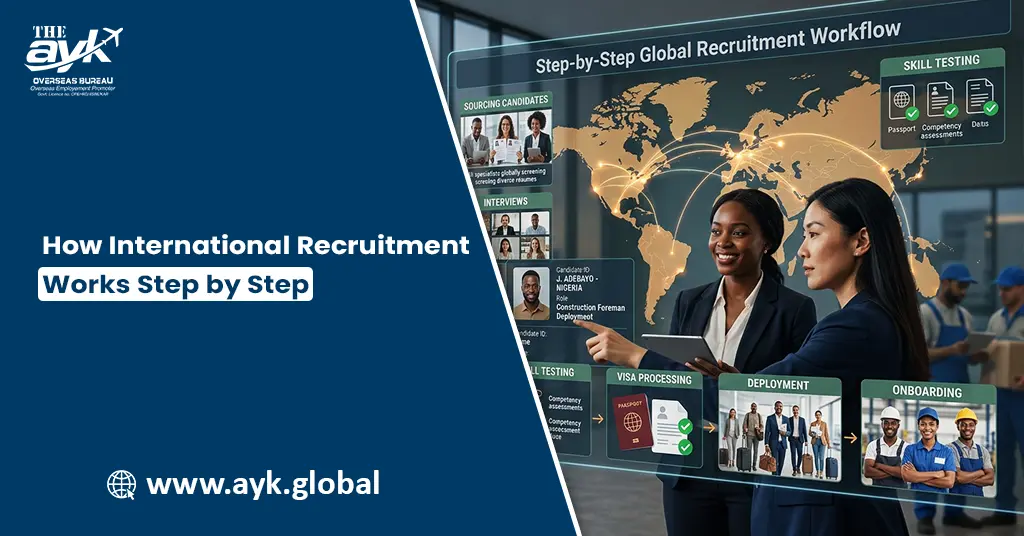 How International Recruitment Works Step by Step
 Best Source of Skilled Manpower for International Projects
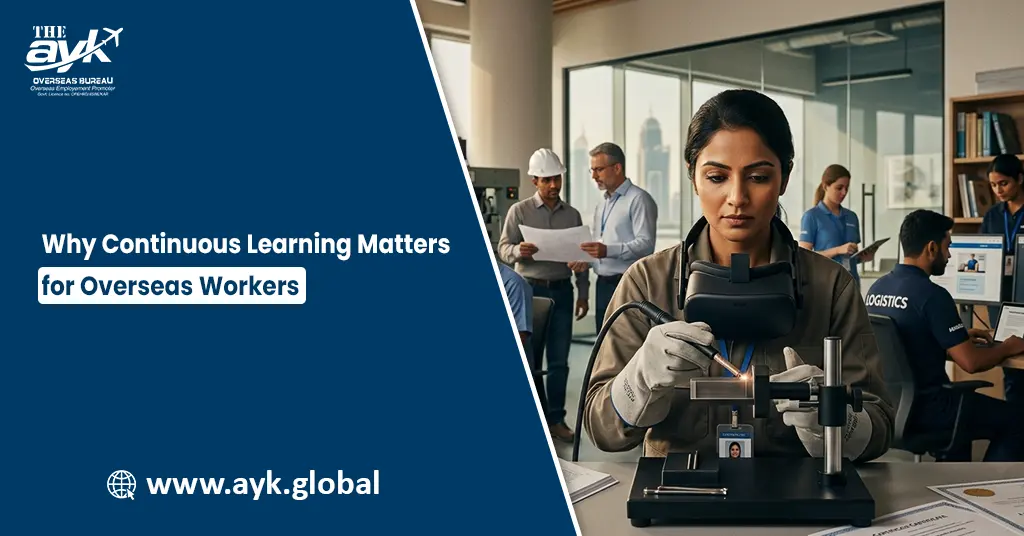 Why Continuous Learning Matters for Overseas Workers
 KSA Recruitment
 UAE Recruitment
 Qatar Recruitment
 Oman Recruitment
 Kuwait Recruitment
 Libya Recruitment
 Bahrain Recruitment
 Iraq Recruitment
 Malaysia Recruitment
 Malta Recruitment
 Canada Recruitment
 USA Recruitment
 Europe Recruitment
 UK Recruitment
 Romania Recruitment
 Poland Recruitment
 Bulgaria Recruitment
 Albania Recruitment
 Serbia Recruitment
 Lithuania Recruitment
 Japan Recruitment
 Turkey Recruitment
 Kyrgyzstan Recruitment
 South Korea Recruitment