
How to Get a High Paying Job in GCC Countries from Pakistan
Published: July 02, 2026 | Views: 14
Introduction
Every year, thousands of Pakistanis travel to Gulf Cooperation Council (GCC) countries in search of better employment opportunities, higher salaries, and improved living standards. Countries such as Saudi Arabia, the United Arab Emirates (UAE), Qatar, Kuwait, Oman, and Bahrain continue to attract skilled and semi-skilled workers because of their expanding economies, tax-free salaries in many sectors, and continuous investment in infrastructure, healthcare, technology, tourism, and manufacturing. In 2026, the demand for qualified professionals is expected to grow even further as GCC governments continue implementing large-scale development projects and economic diversification plans.
However, securing a high-paying job in the GCC is no longer just about having experience. Employers now look for candidates with professional qualifications, technical certifications, excellent communication skills, and relevant industry knowledge. Pakistani workers who prepare strategically and follow the correct recruitment process have a much better chance of receiving competitive salary packages and long-term career opportunities. This complete guide explains everything you need to know about getting a high-paying job in GCC countries from Pakistan, including qualifications, skills, job search methods, visa procedures, and practical career advice
Understand the GCC Job Market Before Applying
One of the biggest mistakes job seekers make is applying for positions without understanding the Gulf job market. Every GCC country has different labor demands depending on its economy and development priorities. Saudi Arabia continues to recruit professionals for Vision 2030 projects, while the UAE focuses heavily on technology, finance, aviation, hospitality, logistics, and digital transformation. Qatar remains a strong destination for energy, engineering, and infrastructure careers, whereas Kuwait, Oman, and Bahrain provide opportunities in healthcare, manufacturing, education, retail, and oil and gas. Understanding which industries are expanding allows applicants to target jobs with higher salaries and stronger career growth.
Researching the labor market also helps candidates understand employer expectations, salary ranges, visa requirements, and required qualifications. Instead of sending the same resume to hundreds of companies, focus on industries that match your education and experience. Reading job descriptions carefully helps identify the skills employers are seeking so you can improve your qualifications before applying. Candidates who understand market trends and align their skills with employer demand are much more likely to secure interviews and receive attractive employment offers.
Choose High-Demand and High-Paying Career Fields
Selecting the right profession plays a major role in determining your salary and career growth in the GCC. Industries such as engineering, healthcare, information technology, cybersecurity, artificial intelligence, finance, aviation, construction management, logistics, renewable energy, and project management consistently offer higher salaries because qualified professionals are in short supply. Skilled trades such as electricians, plumbers, welders, HVAC technicians, heavy equipment operators, industrial mechanics, and crane operators are also highly valued due to ongoing infrastructure development across Gulf countries.
Before applying for overseas jobs, evaluate your current qualifications and identify opportunities to specialize in high-demand fields. If your profession is not currently in demand, consider upgrading your skills through internationally recognized certifications or vocational training programs. Employers generally pay more to workers who possess specialized expertise rather than general knowledge. Choosing a career path that matches future market demand significantly increases your chances of obtaining a high-paying job and long-term employment stability in the GCC.
Improve Your Education and Professional Qualifications
Educational qualifications remain one of the most important factors employers consider during recruitment. Candidates holding bachelor's degrees, master's degrees, engineering diplomas, nursing qualifications, technical certificates, or vocational diplomas from recognized institutions often receive priority over applicants with limited education. Depending on your profession, additional licensing examinations or professional registrations may also be required before employment. Investing in higher education demonstrates commitment to professional development and increases your competitiveness in the international job market.
Professional certifications provide an additional advantage when applying for high-paying positions. Certifications such as PMP for project management, AWS and Microsoft Azure for cloud computing, Cisco certifications for networking, NEBOSH for occupational safety, ACCA for accounting, and CompTIA Security+ for cybersecurity are highly respected by GCC employers. These certifications validate your expertise according to international standards and often result in higher salaries, better job roles, and faster career progression compared to candidates without specialized credentials.
Develop Skills That GCC Employers Value
Modern employers evaluate candidates based on both technical knowledge and soft skills. Technical expertise allows employees to perform their duties efficiently, while communication, teamwork, leadership, adaptability, and problem-solving abilities contribute to overall workplace success. Strong English language skills are essential because English is the primary language used in multinational companies throughout the GCC. Learning basic Arabic phrases can also improve communication with local colleagues and customers, providing an additional competitive advantage during recruitment.
Digital skills are becoming increasingly valuable across almost every industry. Even traditional professions now require familiarity with computer software, digital reporting systems, online communication platforms, and productivity tools. Professionals who understand data analysis, cloud computing, cybersecurity, artificial intelligence, automation, or digital marketing enjoy significantly better career prospects. Continuous learning through online courses, workshops, webinars, and industry training ensures that your skills remain relevant as employer expectations continue to evolve in the competitive GCC employment market.
Create a Professional GCC-Style CV
Your CV is the first impression an employer has of you, so it must be professional, well-structured, and tailored to the GCC job market. Many Pakistani job seekers make the mistake of using a generic resume for every application, which often leads to rejection. Instead, create a CV that highlights your education, work experience, technical skills, certifications, achievements, and language proficiency in a clear and organized format. Use a professional font, avoid unnecessary graphics, and ensure there are no spelling or grammatical mistakes. Your resume should focus on measurable accomplishments, such as projects completed, sales achieved, teams managed, or technical systems maintained, rather than simply listing job responsibilities.
Every job application should include a customized CV based on the employer's requirements. Carefully read the job description and naturally include relevant keywords that match your qualifications. This improves your chances of passing Applicant Tracking Systems (ATS), which many GCC companies use to filter applications before they reach recruiters. Include your updated contact information, passport status, nationality, professional certifications, and LinkedIn profile if available. A well-written GCC-style CV not only increases interview opportunities but also demonstrates professionalism and attention to detail, two qualities highly valued by employers across the Gulf region.
Gain Relevant Work Experience Before Applying
Although some entry-level opportunities exist, most high-paying GCC jobs require practical work experience. Employers generally prefer candidates who have demonstrated their skills in real workplace environments and can begin contributing with minimal training. If you are a fresh graduate, consider gaining one to three years of relevant experience in Pakistan before applying for overseas positions. Working with reputable local companies helps you build technical expertise, strengthen your resume, and develop professional confidence. Even internships, apprenticeships, and contract-based roles can provide valuable practical knowledge that improves your employability.
Experienced professionals often receive better salary packages because employers view them as lower-risk hires. During your employment in Pakistan, focus on building achievements that can strengthen your CV, such as leading projects, improving productivity, reducing operational costs, or earning employee recognition. Keep detailed records of your employment history, experience certificates, recommendation letters, and performance evaluations. These documents may be requested during the recruitment process and can increase your credibility with GCC employers. The combination of solid experience and updated technical skills significantly improves your chances of securing a high-paying international job.
Apply Through Trusted Recruitment Channels
Finding legitimate job opportunities is one of the most important steps in building a successful GCC career. Pakistani workers should prioritize applying through official company career pages, licensed overseas employment promoters, reputable recruitment agencies, and internationally recognized job portals. These sources typically publish verified vacancies and provide transparent recruitment procedures. Before submitting your application, research the employer's background, understand the job requirements, and ensure the recruitment process follows legal employment regulations. Applying through trusted channels reduces the risk of fraud and increases the likelihood of receiving genuine interview invitations.
Unfortunately, fake recruitment agencies and fraudulent job offers remain a challenge for overseas job seekers. Be cautious of individuals who promise guaranteed visas or ask for large upfront payments without providing official documentation. Always verify employment contracts, company registration details, visa sponsorship information, and recruiter credentials before making financial commitments. Reading online company reviews and confirming employer legitimacy through official sources can help you avoid scams. A careful and informed approach protects your finances while ensuring that your overseas employment journey begins safely and professionally.
Prepare Effectively for GCC Job Interviews
Receiving an interview invitation is a major step toward securing a high-paying job, but success depends on proper preparation. Employers evaluate not only your technical knowledge but also your communication skills, confidence, professionalism, and ability to solve workplace challenges. Before the interview, thoroughly research the company, its services, recent projects, organizational values, and the specific role you are applying for. Review common interview questions related to your profession and prepare clear, structured answers supported by examples from your previous work experience. Dressing professionally and joining online interviews on time also create a positive first impression.
During the interview, focus on communicating confidently while remaining honest about your qualifications and experience. Highlight your achievements, explain how your skills can benefit the organization, and demonstrate a willingness to learn and adapt to new environments. Employers appreciate candidates who show enthusiasm, professionalism, and long-term commitment. At the end of the interview, asking thoughtful questions about the role, training opportunities, career progression, and company culture shows genuine interest in the position. Strong interview preparation can make the difference between receiving an average offer and securing a high-paying job with excellent long-term career prospects.
Understand the GCC Work Visa Process
After receiving a job offer, the next important step is completing the work visa process. Every GCC country has its own immigration rules, but the general procedure is similar across Saudi Arabia, the UAE, Qatar, Kuwait, Oman, and Bahrain. Your employer usually acts as your sponsor and begins the visa application after both parties sign the employment contract. You may be required to submit a valid passport, passport-sized photographs, educational certificates, experience letters, medical fitness reports, police clearance certificates, and other supporting documents. In many cases, educational and professional documents must also be attested before they are accepted by the destination country.
Applicants should carefully read the employment contract before signing it and confirm all important details such as salary, working hours, overtime policy, accommodation, transportation, annual leave, health insurance, and end-of-service benefits. Never travel on the wrong type of visa for employment purposes, and always ensure your employer has completed the legal sponsorship process. Following the official visa procedure protects your legal rights and helps you avoid unnecessary complications after arriving in the GCC. Keeping copies of all important documents can also be helpful for future employment or immigration requirements.
Negotiate Salary and Benefits Professionally
Many job seekers accept the first salary offered without understanding the full value of their skills or the overall compensation package. Before negotiating, research average salaries for your profession in the specific GCC country where you will be working. Salary levels vary depending on qualifications, work experience, certifications, employer size, and industry demand. If your experience and technical skills match or exceed the job requirements, you can confidently discuss salary expectations while remaining professional and respectful throughout the conversation.
Salary negotiation should also include discussions about additional employment benefits rather than focusing only on monthly income. Housing allowance, free accommodation, transportation, medical insurance, annual airfare, paid leave, overtime payments, performance bonuses, family visa support, and end-of-service gratuity can significantly increase the total value of your employment package. Carefully reviewing every benefit allows you to make informed career decisions and avoid misunderstandings after joining the company. Professional negotiation demonstrates confidence and helps both the employer and employee establish clear expectations from the beginning.
Continue Learning and Building Your Career
Getting a job in the GCC should not be viewed as the final destination but rather the beginning of a long-term professional journey. Industries continue evolving because of technological advancements, automation, artificial intelligence, and changing business requirements. Employees who continuously improve their knowledge remain valuable to employers and enjoy better opportunities for promotions and salary increases. Enrolling in professional certification programs, attending industry workshops, participating in online training courses, and learning new software or technical skills can greatly enhance your long-term career prospects.
Building strong professional relationships is equally important for career growth. Networking with colleagues, managers, industry professionals, and business communities can open doors to better employment opportunities in the future. Maintaining a positive work attitude, meeting deadlines, demonstrating leadership, and consistently delivering high-quality work help build a strong professional reputation. Employers often promote individuals who show initiative, reliability, and commitment to continuous improvement. Investing in personal and professional development ensures sustainable career success and financial growth throughout your time in the GCC.
Conclusion
Getting a high-paying job in GCC countries from Pakistan requires careful planning, professional preparation, and continuous skill development. Understanding the Gulf job market, choosing high-demand industries, improving your qualifications, gaining practical experience, preparing a professional CV, applying through trusted recruitment channels, and performing well in interviews all contribute to increasing your chances of success. Workers who remain patient and committed to learning are more likely to secure rewarding employment opportunities with attractive salary packages and excellent career progression.
The GCC region continues to provide outstanding opportunities for Pakistani professionals and skilled workers across engineering, healthcare, information technology, construction, finance, logistics, hospitality, and many other sectors. By following legal recruitment procedures, verifying employment offers, and continuously upgrading your skills, you can build a stable and successful international career. With determination, professionalism, and the right strategy, working in the Gulf can provide financial security, global work experience, and a brighter future for you and your family.
 GCC Jobs Without Experience, Best Opportunities for Fresh Candidates
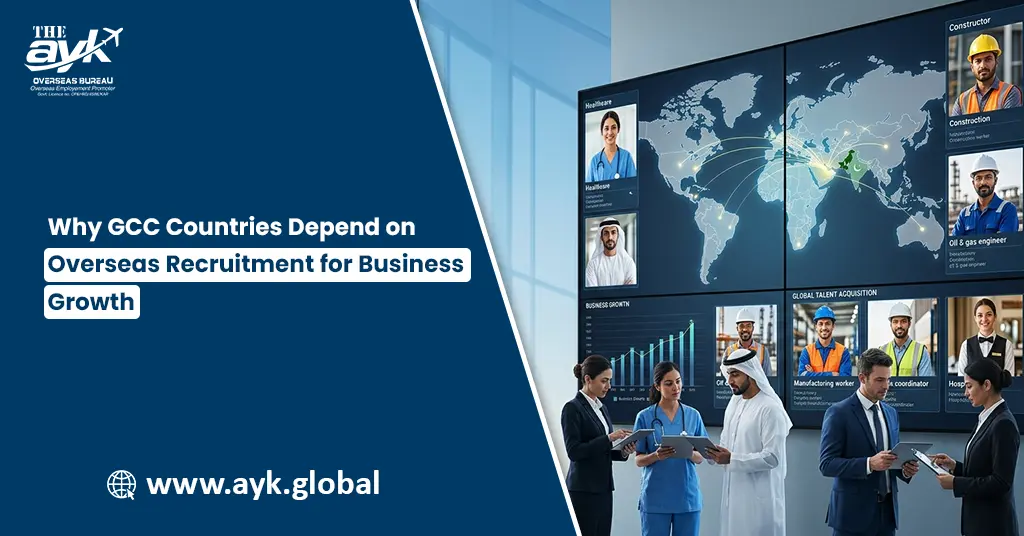 Why GCC Countries Depend on Overseas Recruitment for Business Growth
 KSA Recruitment
 UAE Recruitment
 Qatar Recruitment
 Oman Recruitment
 Kuwait Recruitment
 Libya Recruitment
 Bahrain Recruitment
 Iraq Recruitment
 Malaysia Recruitment
 Malta Recruitment
 Canada Recruitment
 USA Recruitment
 Europe Recruitment
 UK Recruitment
 Romania Recruitment
 Poland Recruitment
 Bulgaria Recruitment
 Albania Recruitment
 Serbia Recruitment
 Lithuania Recruitment
 Japan Recruitment
 Turkey Recruitment
 Kyrgyzstan Recruitment
 South Korea Recruitment