How Workforce Analytics Improve Recruitment Decisions
Published: July 07, 2026 | Views: 4
Introduction
Recruitment has become more complex as businesses compete for skilled professionals in a rapidly changing job market. Traditional hiring methods based only on experience and intuition are no longer enough to identify the best candidates and create effective workforce strategies. Workforce analytics provides businesses with valuable data and insights that help improve recruitment decisions, optimize hiring processes, and predict future talent needs. By analyzing information related to candidate performance, recruitment trends, employee skills, and workforce patterns, organizations can make smarter and more strategic hiring decisions. Workforce analytics enables HR teams to reduce recruitment challenges, improve efficiency, and build a workforce that supports long-term business growth.
Improving Talent Identification and Candidate Selection
Workforce analytics helps businesses identify the most suitable candidates by analyzing important recruitment data such as skills, experience, qualifications, and previous hiring outcomes. Instead of relying only on traditional screening methods, HR teams can use data-driven insights to understand which candidate profiles are more likely to succeed in specific roles. Analytics tools help compare applicants, identify skill matches, and improve the accuracy of selection decisions. This approach reduces the chances of poor hiring choices and allows companies to select employees who are better aligned with job requirements and organizational goals.
Reducing Time-to-Hire Through Data Insights
A lengthy recruitment process can slow down business operations and cause companies to lose talented candidates. Workforce analytics helps HR teams identify delays in the hiring process and find ways to improve efficiency. By analyzing recruitment timelines, application sources, interview stages, and candidate responses, businesses can understand where improvements are needed. Data insights allow organizations to optimize hiring workflows, remove unnecessary steps, and speed up decision-making. A faster recruitment process helps companies secure qualified professionals quickly while improving the overall experience for both recruiters and candidates.
Enhancing Recruitment Strategy Planning
Workforce analytics allows businesses to create more effective recruitment strategies based on real workforce data. HR teams can analyze trends such as hiring demand, skill shortages, candidate availability, and market conditions to develop better recruitment plans. Instead of making decisions based on assumptions, companies can use accurate information to determine where and how to attract talent. Analytics helps organizations choose the right recruitment channels, plan hiring campaigns, and prepare for future workforce requirements. This strategic approach improves recruitment performance and ensures businesses are prepared for changing talent needs.
Predicting Future Hiring Needs
One of the major benefits of workforce analytics is its ability to help businesses forecast future workforce requirements. By analyzing employee trends, business growth plans, turnover patterns, and skill demands, organizations can predict when and where new employees will be needed. This allows HR teams to create proactive hiring strategies instead of waiting for vacancies to occur. Predictive workforce analytics helps companies maintain the right balance of skills and employees while reducing disruptions caused by talent shortages. Forward-looking recruitment planning supports sustainable business growth and operational stability.
Improving Quality of Hire
Quality of hire is a critical factor in recruitment success, and workforce analytics helps businesses measure and improve it. By analyzing data from previous hiring decisions, employee performance records, retention rates, and productivity levels, HR teams can identify what characteristics lead to successful employees. These insights help recruiters focus on candidates who are more likely to perform well and stay with the organization. Improving quality of hire reduces employee turnover, lowers recruitment costs, and helps businesses build stronger teams. Data-driven hiring decisions create better long-term workforce outcomes.
Optimizing Recruitment Costs
Workforce analytics helps businesses understand how effectively they are spending their recruitment resources. By tracking metrics such as cost per hire, recruitment channel performance, advertising expenses, and hiring outcomes, organizations can identify the most valuable recruitment methods. This allows HR teams to invest their budgets in strategies that produce better results while reducing unnecessary expenses. Cost optimization through analytics ensures that businesses achieve efficient hiring without compromising candidate quality. A data-based approach helps companies maximize the return on their recruitment investments.
Improving Candidate Experience Through Analytics
Workforce analytics helps businesses understand and improve the candidate experience throughout the recruitment journey. By analyzing candidate feedback, application completion rates, response times, and communication patterns, HR teams can identify areas where applicants may face difficulties. A smooth and transparent recruitment experience creates a positive impression of the company and increases the chances of attracting skilled professionals. Analytics allows businesses to improve communication strategies, simplify application processes, and provide timely updates to candidates. A better candidate experience strengthens employer branding and helps organizations compete more effectively for top talent.
Identifying the Best Recruitment Channels
Different recruitment channels produce different results, and workforce analytics helps businesses determine which sources provide the highest-quality candidates. HR teams can analyze data from job boards, social media platforms, employee referrals, career websites, and recruitment agencies to understand which channels deliver better hiring outcomes. These insights help companies focus their time and budget on the most effective talent sources. By identifying successful recruitment channels, organizations can improve their hiring efficiency, attract better candidates, and reduce wasted recruitment efforts.
Reducing Employee Turnover Through Better Hiring Decisions
Workforce analytics helps businesses reduce employee turnover by identifying patterns related to employee retention and job satisfaction. By analyzing data from previous hires, HR teams can understand which factors influence long-term employee success, such as skills, experience, workplace fit, and career expectations. These insights allow recruiters to select candidates who are more likely to stay and grow within the organization. Better hiring decisions reduce replacement costs, improve team stability, and create a more engaged workforce. Analytics-driven recruitment helps businesses focus on long-term employee success rather than simply filling vacancies.
Supporting Diversity and Inclusion in Recruitment
Workforce analytics provides valuable insights that help businesses create fairer and more inclusive recruitment processes. By analyzing hiring data, organizations can identify potential gaps in candidate selection, representation, and advancement opportunities. HR teams can use these insights to develop strategies that encourage equal opportunities and reduce unconscious bias during hiring. Data-driven diversity initiatives help companies build teams with different perspectives and experiences, which can improve creativity and decision-making. Workforce analytics supports a more balanced recruitment approach that benefits both employees and organizations.
Enhancing Workforce Planning and Talent Management
Workforce analytics connects recruitment decisions with broader workforce planning and talent management strategies. By analyzing current employee skills, future business needs, and market trends, companies can determine what type of talent they need to hire and develop. This helps HR teams create long-term recruitment plans that support organizational objectives. Workforce analytics also helps identify skill gaps and opportunities for internal development. Effective workforce planning ensures that businesses have the right people with the right skills to achieve future goals.
Making Recruitment More Data-Driven and Strategic
Workforce analytics transforms recruitment from a traditional process into a strategic business function. Instead of depending only on assumptions, HR professionals can use accurate data to make informed decisions about hiring, budgeting, candidate selection, and workforce development. Data-driven recruitment improves efficiency, reduces risks, and helps businesses build stronger teams. As technology continues to advance, workforce analytics will become even more important for organizations that want to attract top talent and maintain a competitive advantage. Companies that adopt analytics-based recruitment strategies are better prepared to meet future workforce challenges.
 Industries in GCC with the Highest Demand for Pakistani Workers
 HVAC Technician Jobs in GCC Countries
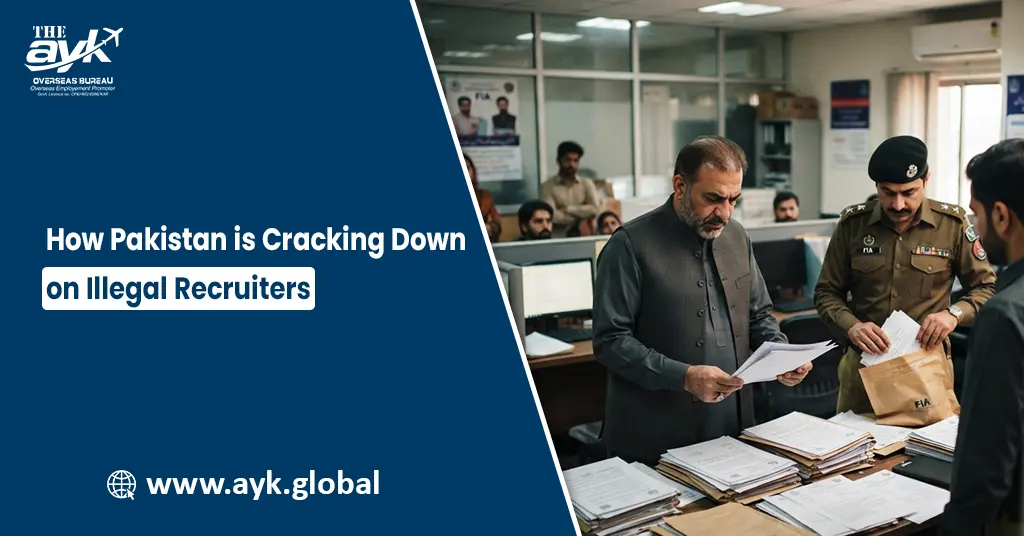 How Pakistan Is Cracking Down on Illegal Recruiters
 KSA Recruitment
 UAE Recruitment
 Qatar Recruitment
 Oman Recruitment
 Kuwait Recruitment
 Libya Recruitment
 Bahrain Recruitment
 Iraq Recruitment
 Malaysia Recruitment
 Malta Recruitment
 Canada Recruitment
 USA Recruitment
 Europe Recruitment
 UK Recruitment
 Romania Recruitment
 Poland Recruitment
 Bulgaria Recruitment
 Albania Recruitment
 Serbia Recruitment
 Lithuania Recruitment
 Japan Recruitment
 Turkey Recruitment
 Kyrgyzstan Recruitment
 South Korea Recruitment