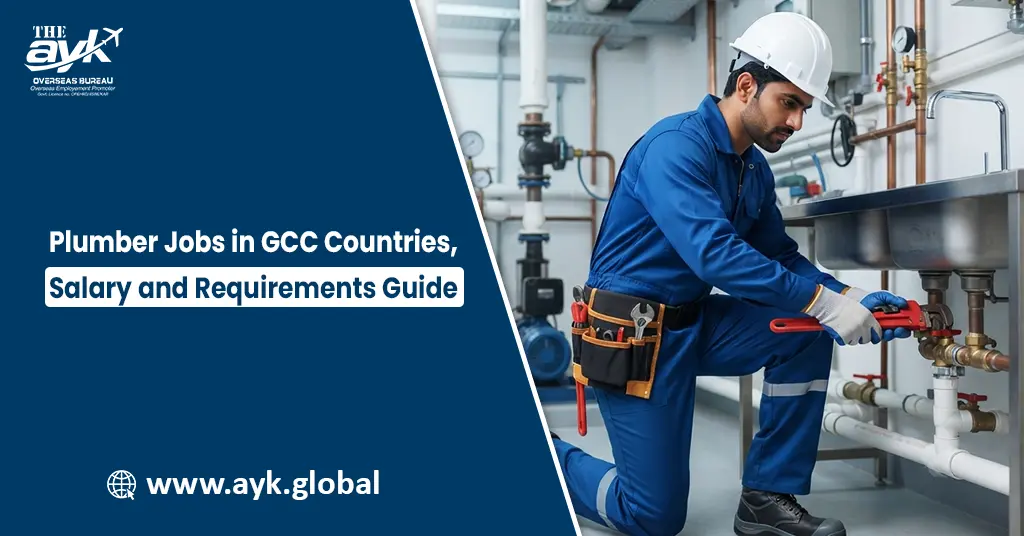
Plumber Jobs in GCC Countries, Salary and Recruitment Guide
Published: July 02, 2026 | Views: 15
Introduction
Plumber jobs in GCC countries are among the most stable and continuously in-demand skilled trade opportunities for Pakistani workers in 2026. As Saudi Arabia, United Arab Emirates (UAE), Qatar, Kuwait, Oman, and Bahrain continue to expand their urban infrastructure, residential housing projects, commercial buildings, hotels, hospitals, and industrial facilities, the need for skilled plumbers has grown significantly. Plumbing systems are essential in every type of construction project, including water supply networks, drainage systems, sewage management, heating systems, and sanitation infrastructure. Without plumbers, no modern building can function properly.
In recent years, GCC countries have invested heavily in mega development projects such as smart cities, tourism zones, industrial cities, and residential mega-compounds. These projects require thousands of plumbers for installation, maintenance, repair, and inspection work. Pakistani plumbers are highly preferred due to their strong practical experience, technical skills, and ability to work in demanding environments. Many workers from Pakistan secure jobs in GCC plumbing companies through licensed recruitment agencies, direct hiring, or construction contractors. These jobs provide stable income, overtime opportunities, accommodation, transport, and long-term employment contracts, making them highly attractive for skilled workers.
1. Types of Plumber Jobs in GCC Countries
Plumber jobs in GCC countries are divided into several categories based on work type and industry. The most common roles include residential plumbers, commercial plumbers, industrial plumbers, and maintenance plumbers. Residential plumbers work in houses, apartments, and villas, handling tasks such as installing water pipes, fixing leaks, repairing taps, and setting up bathroom and kitchen plumbing systems. These jobs require precision and basic technical knowledge.
Commercial plumbers work in large buildings such as malls, hotels, offices, and hospitals. Their work is more complex because commercial plumbing systems are larger and require proper planning and installation of water supply networks, drainage systems, and fire protection pipelines. Industrial plumbers work in factories, oil refineries, and manufacturing plants where high-pressure pipelines and specialized systems are used. Maintenance plumbers focus on repairing existing systems, troubleshooting leaks, and ensuring smooth water flow in buildings and industrial setups.
2. Demand for Plumbers in GCC Countries
The demand for plumbers in GCC countries remains consistently high due to continuous construction and infrastructure development. Saudi Arabia leads the region with massive housing projects, industrial cities, and Vision 2030 mega developments. UAE also has strong demand due to rapid expansion of luxury real estate, tourism infrastructure, and commercial buildings in cities like Dubai and Abu Dhabi.
Qatar requires plumbers for stadiums, hotels, residential complexes, and industrial projects. Kuwait has steady demand in residential and government construction projects, while Oman focuses on infrastructure development, water management systems, and industrial zones. Bahrain, though smaller in size, also offers consistent demand in residential and commercial sectors. As urban populations grow and new construction projects continue, the need for skilled plumbers will remain strong across all GCC countries.
3. Salary Structure for Plumber Jobs in GCC
Plumber salaries in GCC countries vary based on experience, job type, and country of employment. Entry-level plumbers typically earn moderate salaries, while experienced plumbers working in industrial or large-scale commercial projects earn higher wages. Countries like UAE and Qatar usually offer slightly higher salaries due to advanced infrastructure and international contractors.
In addition to basic salary, plumbers often receive overtime pay, which significantly increases monthly income. Many employers provide free accommodation, transportation, and medical insurance. Some companies also offer annual bonuses, end-of-service benefits, and salary increments based on performance and experience. Skilled plumbers working on specialized projects such as oil refineries or large commercial complexes generally earn more due to the complexity and risk involved in the work.
4. Skills Required for Plumber Jobs
Plumber jobs in GCC countries require a strong combination of technical skills, physical ability, and problem-solving capabilities. Plumbers must understand water supply systems, drainage systems, pipe installation techniques, and repair procedures. Knowledge of different materials such as PVC, copper, and steel pipes is essential for performing tasks effectively.
Problem-solving skills are extremely important because plumbers often face unexpected issues such as leaks, blockages, or system failures. Physical fitness is also necessary since plumbing work involves lifting heavy materials, working in confined spaces, and performing tasks in challenging conditions. Communication skills and teamwork are important because plumbers usually work alongside engineers, electricians, and construction workers on large projects.
5. Educational Requirements and Certifications
Most plumber jobs in GCC countries do not require higher education, making them accessible for many Pakistani workers. However, basic technical training or vocational certification in plumbing is highly preferred. Many employers value practical experience more than formal education, especially for skilled labor positions.
Some companies may require safety training certifications or prior experience in construction or maintenance work. International safety certifications can also improve job opportunities and salary packages. Employers in GCC countries often conduct skill tests or interviews before hiring plumbers to ensure they have the required technical knowledge and experience.
6. Recruitment Process for Plumber Jobs in GCC
The recruitment process for plumber jobs in GCC countries usually involves several steps. First, candidates apply through licensed recruitment agencies or direct company hiring channels. After shortlisting, candidates may be required to attend interviews or skill tests to evaluate their plumbing abilities. These tests often include practical demonstrations of pipe fitting, leak fixing, or system installation.
Once selected, candidates go through documentation verification, medical testing, and visa processing. Employers in GCC countries sponsor work visas, which legally allow workers to live and work in the country. It is important for candidates to avoid illegal agents and only apply through verified recruitment channels to prevent fraud or job scams.
7. Job Opportunities in Different GCC Countries
Each GCC country offers strong opportunities for plumbers depending on construction activity and infrastructure development. Saudi Arabia has the highest demand due to large-scale residential and industrial projects. UAE offers excellent opportunities in luxury construction, hotels, and commercial buildings.
Qatar provides strong demand in stadiums, residential complexes, and infrastructure projects. Kuwait has stable job opportunities in government and private construction projects, while Oman focuses on industrial and water management systems. Bahrain offers smaller but consistent opportunities in residential and commercial plumbing work. Overall, the GCC region provides continuous employment opportunities for skilled plumbers.
8. Career Growth and Future Scope
Plumber jobs in GCC countries offer strong long-term career growth opportunities for skilled workers. With experience, plumbers can advance to senior plumber, supervisor, foreman, or site manager roles. Skilled plumbers may also specialize in industrial plumbing, fire protection systems, or large-scale infrastructure projects.
The future scope of plumbing jobs in GCC is very strong due to continuous urban expansion, smart city development, and increasing demand for advanced water management systems. Modern construction projects require highly skilled plumbers who understand advanced systems and technologies. Workers who improve their technical skills and gain experience can achieve long-term financial stability and career growth in this field.
Conclusion
Plumber jobs in GCC countries provide excellent opportunities for Pakistani workers in 2026, offering stable income, strong demand, and long-term career growth. With ongoing construction, infrastructure expansion, and industrial development across Saudi Arabia, UAE, Qatar, Kuwait, Oman, and Bahrain, plumbers remain essential in every project.
Although the job requires physical effort and technical skills, it offers attractive salaries, overtime benefits, and accommodation facilities. Skilled plumbers who apply through legal recruitment channels and continuously improve their expertise can build successful and stable careers in the GCC job market.
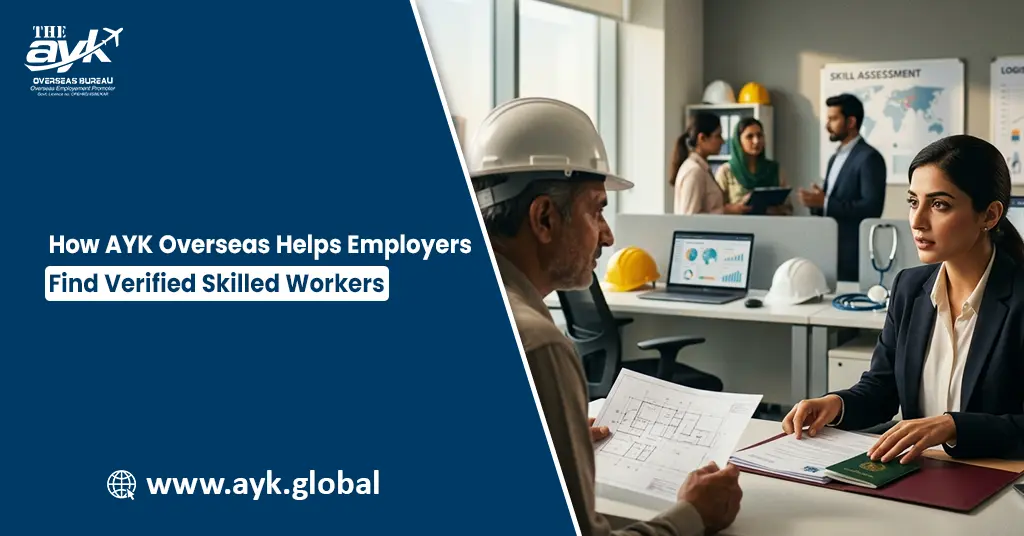 How AYK Overseas Helps Employers Find Verified Skilled Workers
 Why Workforce Planning Is Important for Business Growth
 KSA Recruitment
 UAE Recruitment
 Qatar Recruitment
 Oman Recruitment
 Kuwait Recruitment
 Libya Recruitment
 Bahrain Recruitment
 Iraq Recruitment
 Malaysia Recruitment
 Malta Recruitment
 Canada Recruitment
 USA Recruitment
 Europe Recruitment
 UK Recruitment
 Romania Recruitment
 Poland Recruitment
 Bulgaria Recruitment
 Albania Recruitment
 Serbia Recruitment
 Lithuania Recruitment
 Japan Recruitment
 Turkey Recruitment
 Kyrgyzstan Recruitment
 South Korea Recruitment