Employee Onboarding Best Practices for Business Success
Published: July 07, 2026 | Views: 4
Employee Onboarding Best Practices for Business Success
Introduction
Employee onboarding is one of the most important processes that determines how successfully new employees integrate into an organization. A well-designed onboarding experience helps employees understand their roles, connect with company culture, build relationships with colleagues, and become productive faster. Many businesses focus heavily on recruitment but overlook the importance of what happens after a candidate accepts a job offer. Without proper onboarding, new employees may experience confusion, low engagement, poor performance, and even leave the organization within a short period. Professional onboarding practices create a strong foundation for employee success by providing the necessary resources, guidance, training, and support from the beginning. Organizations that invest in effective onboarding programs benefit from higher employee satisfaction, improved retention rates, stronger workplace relationships, and increased productivity. Understanding and implementing employee onboarding best practices allows businesses to create positive first impressions and develop a workforce that contributes to long-term organizational success.
1. Understanding the Importance of Employee Onboarding
Employee onboarding is more than completing paperwork and introducing new hires to company policies. It is a strategic process that helps employees transition smoothly into their new roles while developing a connection with the organization. Effective onboarding provides clarity about job responsibilities, performance expectations, workplace culture, communication methods, and available resources. When employees feel supported from their first day, they become more confident, engaged, and motivated to contribute. Poor onboarding can create uncertainty, reduce productivity, and increase the likelihood of early employee turnover. A structured onboarding program demonstrates that the organization values its employees and is committed to helping them succeed. By treating onboarding as a long-term investment rather than a simple administrative task, businesses can improve employee experiences and build stronger teams.
2. Preparing Before the Employee’s First Day
Successful onboarding begins before the new employee officially joins the organization. Preboarding activities help create a smooth transition and ensure new hires feel welcomed and prepared from the beginning. HR teams can send welcome messages, provide necessary documents, share company information, arrange workspace setup, prepare equipment, and communicate first-day expectations before the employee arrives. Managers should also ensure team members are informed about the new hire and ready to provide support. A well-organized preboarding process reduces anxiety, eliminates confusion, and creates a positive first impression. When employees see that the organization has prepared for their arrival, they immediately develop greater confidence and trust in the company. Effective preparation sets the stage for a successful onboarding experience and helps new employees become comfortable more quickly.
3. Creating a Structured Onboarding Plan
A structured onboarding plan provides consistency and ensures every new employee receives the necessary information and support during their transition period. HR professionals develop onboarding schedules that include company introductions, role-specific training, workplace policies, technology setup, team meetings, performance expectations, and feedback sessions. A clear timeline helps employees understand what they should learn during their first days, weeks, and months within the organization. Structured onboarding also allows managers to track progress and identify areas where additional support may be needed. Without a proper plan, new employees may feel overwhelmed or uncertain about their responsibilities. A well-designed onboarding framework creates a more organized experience, improves productivity, and helps employees develop confidence in their roles.
4. Introducing Company Culture and Values
Understanding company culture is a crucial part of successful employee onboarding. New employees need to know not only what they are expected to do but also how the organization operates and what values guide workplace decisions. HR teams introduce company mission, vision, values, communication styles, teamwork expectations, leadership approaches, and organizational traditions during the onboarding process. This cultural introduction helps employees understand how their work contributes to broader business goals. When employees connect with company values, they develop a stronger sense of belonging and purpose. A clear understanding of workplace culture also improves collaboration because employees know how to communicate effectively and work successfully with their teams. Businesses that prioritize cultural integration during onboarding often experience stronger employee engagement and long-term loyalty.
5. Providing Role-Specific Training and Resources
Every new employee needs proper training and resources to perform their responsibilities effectively. Successful onboarding programs include role-specific learning that helps employees understand job duties, required skills, tools, systems, and performance expectations. HR teams work with managers to develop training plans that combine technical knowledge, practical guidance, and hands-on experience. Providing access to necessary resources, software, documentation, and support systems enables employees to become productive faster and reduces unnecessary frustration. Regular check-ins during the training period allow managers to answer questions, provide feedback, and address challenges early. When organizations invest in comprehensive role-based training, employees feel more capable and confident, leading to better performance and stronger commitment to the company.
6. Assigning Mentors and Providing Ongoing Support
A strong onboarding experience does not end after the first few days of employment. Providing continuous support through mentors, managers, and team members helps new employees adjust more effectively and build confidence in their roles. Many successful organizations assign experienced employees as mentors or onboarding buddies who can answer questions, explain workplace processes, and provide guidance during the early stages of employment. Mentorship helps new hires understand company expectations, build professional relationships, and feel connected to the organization. Regular meetings with managers also allow employees to discuss challenges, receive feedback, and clarify responsibilities. Ongoing support reduces uncertainty, improves engagement, and creates a sense of belonging. When employees know they have people available to support them, they become more comfortable, productive, and committed to their new workplace.
7. Encouraging Early Employee Engagement
Employee engagement should begin from the first day because early experiences strongly influence long-term commitment. Effective onboarding programs encourage new employees to participate in team activities, discussions, meetings, and company initiatives from the beginning. HR professionals create opportunities for employees to interact with colleagues, share ideas, ask questions, and understand how their work contributes to organizational goals. Early engagement helps employees develop emotional connections with the company and increases their motivation to perform well. Organizations can also use surveys and feedback sessions during onboarding to understand how new hires feel about their experience and identify areas for improvement. By focusing on engagement from the start, businesses create stronger relationships with employees and improve retention over time.
8. Setting Clear Goals and Performance Expectations
New employees perform better when they understand exactly what is expected from them. Setting clear goals during the onboarding process helps employees understand their responsibilities, priorities, performance standards, and contribution to business objectives. Managers should establish realistic short-term and long-term goals while explaining how success will be measured. Regular performance discussions during the early months allow employees to track progress, receive guidance, and adjust their approach when necessary. Clear expectations reduce confusion and help employees focus their efforts effectively. HR teams support this process by creating performance frameworks, feedback systems, and development plans that align individual goals with organizational objectives. When employees have clarity about their roles, they become more confident, productive, and engaged.
9. Using Technology to Improve the Onboarding Experience
Technology has transformed the way organizations manage employee onboarding by making processes faster, more organized, and accessible. Digital onboarding platforms, HR management systems, online training portals, electronic document signing, and employee self-service tools simplify administrative tasks and improve communication. New employees can complete paperwork, access training materials, review company policies, and receive important information before or during their first days. Technology also allows HR teams to track onboarding progress, identify delays, and ensure consistent experiences across different departments or locations. For remote and hybrid employees, digital onboarding tools are especially valuable because they help create connection and support without requiring physical presence. By using technology effectively, businesses can deliver efficient onboarding experiences that improve employee satisfaction and productivity.
10. Measuring and Improving the Onboarding Process
Successful organizations continuously evaluate their onboarding programs to ensure they meet employee and business needs. HR teams measure onboarding effectiveness through employee feedback surveys, retention rates, productivity levels, completion rates, manager feedback, and new hire performance results. These insights help identify strengths and weaknesses within the onboarding process and allow businesses to make necessary improvements. Regular evaluation ensures onboarding remains relevant as company goals, workplace practices, and employee expectations change. Organizations can improve their programs by updating training materials, enhancing communication, improving support systems, and addressing common challenges faced by new employees. A continuously improved onboarding process creates better employee experiences, strengthens organizational culture, and supports long-term workforce success.
Conclusion
Employee onboarding is a critical business process that directly influences employee performance, engagement, and long-term retention. A successful onboarding strategy goes beyond basic introductions by providing structured guidance, role-specific training, cultural integration, mentorship, clear expectations, and continuous support. Organizations that invest in effective onboarding create positive employee experiences and build stronger relationships from the beginning. By using technology, measuring results, and continuously improving onboarding practices, businesses can develop a motivated workforce that contributes to long-term success. In today's competitive business environment, effective employee onboarding is not just an HR responsibility—it is a strategic advantage that helps organizations attract, retain, and develop top talent.
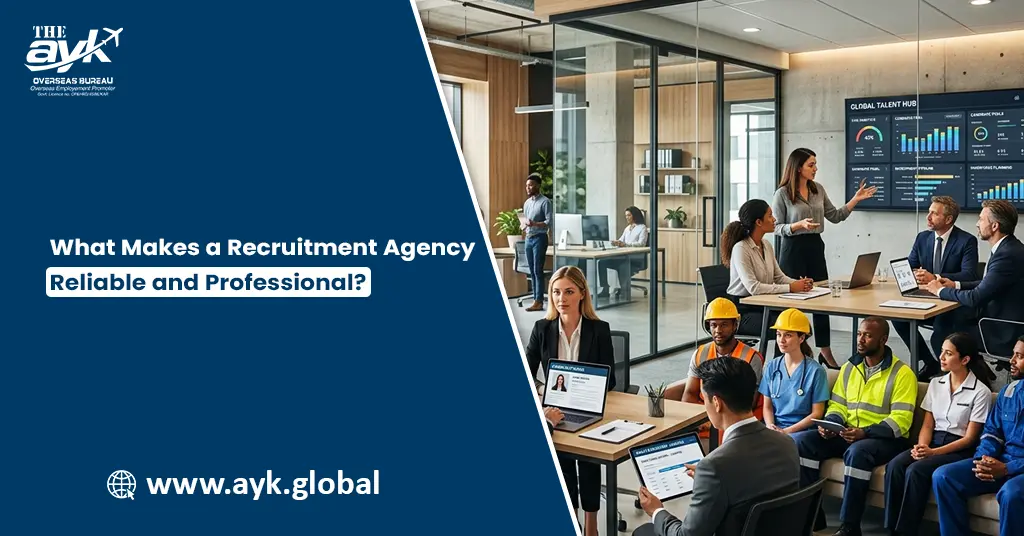 What Makes a Recruitment Agency Reliable and Professional?
 How to Write a CV That Gulf Employers Actually Notice
 How to Recruit Blue-Collar Workers for Large Scale Projects
 KSA Recruitment
 UAE Recruitment
 Qatar Recruitment
 Oman Recruitment
 Kuwait Recruitment
 Libya Recruitment
 Bahrain Recruitment
 Iraq Recruitment
 Malaysia Recruitment
 Malta Recruitment
 Canada Recruitment
 USA Recruitment
 Europe Recruitment
 UK Recruitment
 Romania Recruitment
 Poland Recruitment
 Bulgaria Recruitment
 Albania Recruitment
 Serbia Recruitment
 Lithuania Recruitment
 Japan Recruitment
 Turkey Recruitment
 Kyrgyzstan Recruitment
 South Korea Recruitment